In recent years, pet owners have increasingly turned to grain-free dog foods, often influenced by human dietary trends emphasizing gluten avoidance or paleo-inspired eating. While these diets are marketed as more natural or biologically appropriate, growing concern has emerged among veterinary professionals—particularly regarding a potential link between grain-free formulations and dilated cardiomyopathy (DCM), a serious heart condition in dogs. Understanding the science behind this debate is essential for making informed decisions about your dog’s long-term health.
The Rise of Grain-Free Diets and Consumer Beliefs
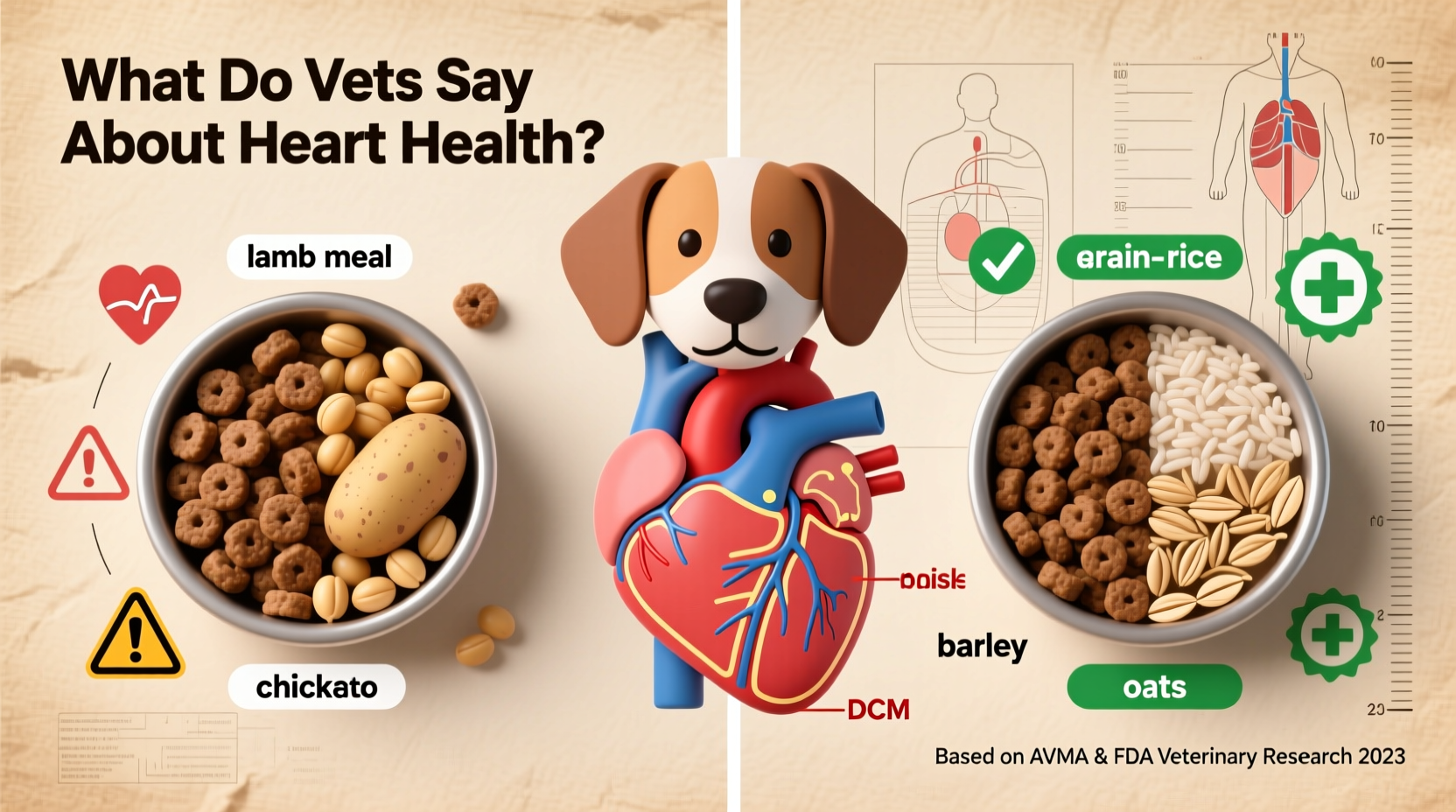
Grain-free dog foods typically replace common grains like corn, wheat, and rice with legumes (such as peas and lentils), potatoes, or tapioca. These alternatives are used to maintain kibble structure while appealing to pet owners who associate grains with allergies, inflammation, or poor digestion. Marketing often promotes grain-free options as “cleaner” or “higher protein,” suggesting they align more closely with a dog’s ancestral diet.
However, most dogs do not suffer from grain allergies—true food allergies in canines are far more commonly linked to animal proteins such as beef, dairy, or chicken. According to the American Kennel Club, less than 1% of dogs have diagnosed grain sensitivities. Despite this, sales of grain-free products surged over the past decade, driven largely by perception rather than medical necessity.
Tip: Just because a food is labeled \"grain-free\" doesn't mean it's healthier. Always assess the full ingredient profile and nutritional balance.Veterinary Concerns About Grain-Free Diets and Heart Disease
In 2018, the U.S. Food and Drug Administration (FDA) launched an investigation into a possible association between certain grain-free diets and the development of DCM in dogs. DCM is a disease of the heart muscle that leads to enlarged chambers and reduced pumping efficiency, often resulting in congestive heart failure if untreated.
What raised alarms was the appearance of DCM in breeds not genetically predisposed to the condition—such as Golden Retrievers, Labrador Retrievers, and even mixed-breed dogs—many of whom were consuming grain-free foods high in legumes and potatoes. The FDA noted that over 90% of reported cases involved dogs eating grain-free diets, particularly those containing peas, lentils, or potatoes as primary ingredients.
“While we haven’t established a definitive cause-and-effect relationship, the pattern is concerning enough that we recommend caution when feeding diets high in legumes or exotic ingredients.” — Dr. Lisa Freeman, Tufts University Cummings School of Veterinary Medicine
One theory centers on taurine deficiency. Taurine is an amino acid critical for heart function, and some dogs may not synthesize it efficiently—especially when fed diets low in animal-based proteins or high in plant-based binders. Certain grain-free formulas rely heavily on plant proteins, which may affect taurine bioavailability. Breeds like American Cocker Spaniels and Newfoundlands are known to be at higher risk for taurine-deficient DCM, but the recent cases span much broader breed ranges.
Grain Inclusive Diets: A Safer Standard?
Contrary to popular belief, grains can be highly nutritious components of canine diets. Whole grains like brown rice, barley, and oats provide fiber, essential fatty acids, and complex carbohydrates that support sustained energy release. They also contribute important vitamins such as B-complex and minerals like iron and magnesium.
Reputable veterinary nutritionists emphasize that grain-inclusive diets from trusted manufacturers are generally safe, balanced, and suitable for the vast majority of dogs. Unlike humans, dogs possess the digestive enzymes needed to break down starches effectively. In fact, studies show that domesticated dogs have evolved multiple copies of the AMY2B gene, which aids in starch digestion—a clear adaptation to cohabitation with humans and consumption of varied diets.
The key distinction lies not in the presence or absence of grains, but in overall diet quality, formulation rigor, and adherence to AAFCO (Association of American Feed Control Officials) standards. Many grain-inclusive commercial foods undergo extensive testing to ensure complete and balanced nutrition across life stages.
Comparing Nutritional Profiles: Grain-Free vs Grain-Inclusive
| Nutritional Factor | Grain-Free Diet (Typical) | Grain-Inclusive Diet (Typical) |
|---|---|---|
| Primary Carbohydrate Source | Peas, lentils, potatoes, tapioca | Brown rice, oats, barley, corn |
| Taurine Bioavailability | Potentially lower due to high legume content | Generally adequate; better protein sourcing |
| Fiber Content | Moderate to high | Moderate (varies by formula) |
| Protein Source Quality | Often plant-heavy; variable meat content | More consistent animal-based proteins |
| Link to DCM Cases (FDA Data) | Strongly associated in many reports | Rarely implicated |
| Allergenic Risk | Low grain allergy risk, but legumes may trigger sensitivities | Very low risk of grain-related issues |
Expert Recommendations: What Vets Advise Today
Veterinarians now routinely counsel clients to reconsider blanket adoption of grain-free diets without medical justification. Board-certified veterinary nutritionists stress that elimination of grains should only occur under professional guidance, especially when managing confirmed allergies or gastrointestinal disorders.
Dr. Jennifer Larsen, a veterinary nutritionist at UC Davis, explains: “There is no compelling evidence that grain-free diets offer health advantages for healthy dogs. On the contrary, we’re seeing real-world consequences in the form of preventable heart disease.”
Vets recommend the following principles when choosing dog food:
- Select brands that conduct actual feeding trials, not just meet minimum nutrient profiles.
- Avoid boutique brands that use novel or exotic ingredients without scientific backing.
- Be cautious of marketing terms like “holistic,” “natural,” or “ancestral”—these are unregulated.
- Consult your veterinarian before switching to any specialty diet.
Checklist: Choosing a Heart-Safe Dog Food
- ✅ Check if the food meets AAFCO nutritional adequacy standards.
- ✅ Look for a named animal protein (e.g., “chicken meal”) as the first ingredient.
- ✅ Avoid excessive legumes (peas, lentils, chickpeas) listed in the top five ingredients.
- ✅ Prefer brands that publish results of feeding trials or partner with veterinary schools.
- ✅ Discuss your dog’s breed, age, and health status with your vet before switching diets.
- ✅ Monitor for signs of heart issues: lethargy, coughing, difficulty breathing, fainting.
Real-World Case: Max, the Golden Retriever
Max, a six-year-old male Golden Retriever, was brought to a cardiology clinic after his owner noticed he was tiring easily during walks and had begun coughing at night. An echocardiogram revealed severe DCM with markedly reduced ejection fraction. Surprisingly, Max had no family history of heart disease.
Upon dietary review, it was discovered that Max had been fed a popular grain-free brand for three years, with peas and potatoes as the first two ingredients. Blood tests showed borderline low taurine levels. His vet immediately switched him to a grain-inclusive, veterinary-formulated cardiac diet rich in animal protein and supplemented with taurine.
After six months of treatment and diet change, Max showed measurable improvement in heart function. Though not fully reversed, his symptoms stabilized, and his activity level improved significantly. His case highlights how diet can influence heart health—even in breeds not traditionally at genetic risk.
Tip: If your dog is on a grain-free diet, ask your vet about checking taurine levels—especially if they're a large breed or showing subtle signs of fatigue.FAQ: Common Questions About Grain-Free Diets and Heart Health
Is grain-free food bad for all dogs?
No, not inherently. Some dogs thrive on grain-free diets, particularly those with confirmed grain sensitivities or specific medical needs. However, for the average healthy dog, there is no proven benefit—and emerging evidence suggests potential harm due to legume-rich formulations.
Can DCM caused by diet be reversed?
In some cases, yes. Dogs diagnosed with diet-associated DCM may show improvement after switching to a balanced, grain-inclusive diet and receiving taurine supplementation. Early detection is crucial. However, permanent damage can occur if the condition progresses too far before intervention.
Are all grain-free brands risky?
Not all, but many of the diets under FDA investigation come from smaller, boutique companies using unconventional ingredients. Large, science-driven pet food manufacturers that conduct clinical trials tend to produce safer, more rigorously tested products—whether grain-free or not.
Conclusion: Prioritizing Science Over Trends
The debate over grain-free versus grain-inclusive dog food ultimately centers on one principle: prioritizing evidence-based nutrition over marketing hype. While grain-free diets may seem appealing, the weight of veterinary opinion now leans toward caution—especially given the rising number of diet-linked DCM cases.
Veterinarians agree: unless medically necessary, grain-inclusive diets from reputable brands remain the safest choice for maintaining long-term heart health in dogs. Ingredients matter more than labels. Transparency, scientific validation, and professional oversight should guide every feeding decision.
💬 Your dog’s heart health starts at the bowl. Review your pet’s current food with your veterinarian today—especially if it’s grain-free. Share this article to help other pet owners make informed choices.








