
Choosing the right toy for a 2 or 3-year-old boy isn’t just about entertainment—it’s about supporting rapid cognitive, motor, and emotional development during one of the most formative stages of childhood. At this age, children are eager to explore, imitate adults, and test their physical limits. The best gifts combine durability, imaginative potential, and developmental benefits. From ride-ons that build coordination to building sets that boost problem-solving, the right toy can be both fun and foundational.
Why Age-Appropriate Toys Matter at This Stage
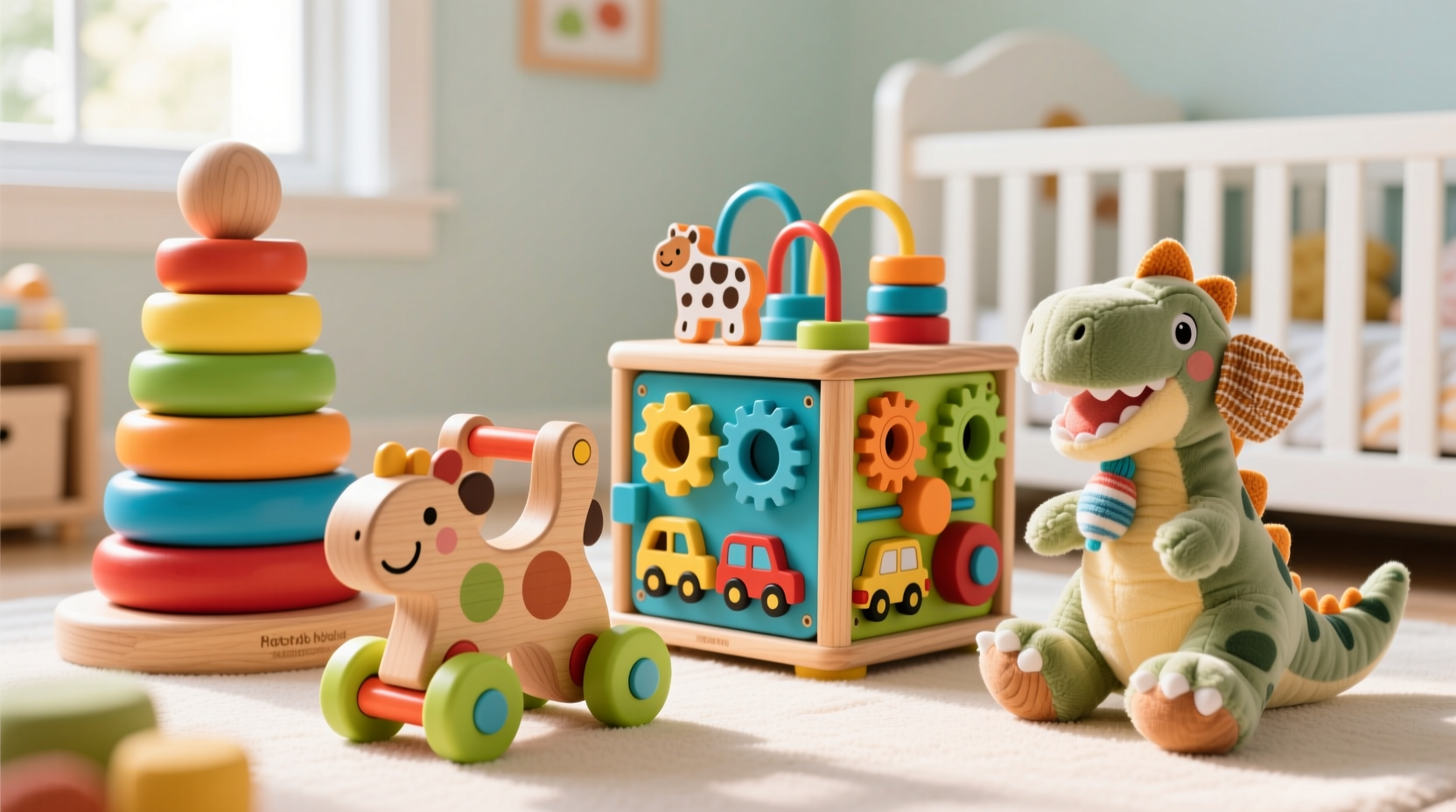
Between ages 2 and 3, children experience explosive growth in language, fine motor skills, and social awareness. Their attention spans lengthen slightly, allowing them to engage in more complex play. They begin to tell stories through pretend play, stack blocks with greater precision, and follow simple instructions. Toys that align with these milestones encourage confidence and competence.
Toys that are too advanced may frustrate, while those that are too simplistic won’t hold interest. The sweet spot lies in open-ended, interactive playthings that grow with the child. Experts emphasize that play is not just leisure—it's how toddlers learn cause and effect, spatial reasoning, and emotional regulation.
“Play is the highest form of research.” — Albert Einstein
Top Developmental Benefits of Thoughtful Toy Selection
- Motor Skills: Push toys, ride-ons, and stacking sets improve balance, hand-eye coordination, and muscle strength.
- Cognitive Growth: Puzzles and shape sorters teach logic, memory, and early math concepts.
- Language & Communication: Pretend play with figures, vehicles, or role-play kits encourages storytelling and vocabulary expansion.
- Social-Emotional Learning: Cooperative play with siblings or parents fosters sharing, empathy, and turn-taking.
- Creativity: Open-ended toys like blocks or art supplies allow limitless self-expression.
Best Gift Categories and Top Picks
The following categories represent proven favorites among parents, educators, and child development specialists. Each includes specific product examples (brand-neutral where possible) and explains why they work so well for this age group.
1. Ride-Ons and Active Play Vehicles
Toddlers love movement. Ride-on toys help develop gross motor skills, balance, and spatial awareness. Look for models with sturdy construction, smooth-rolling wheels, and intuitive steering.
- Plastic pedal-free tricycles
- Animal-themed push walkers with wobble action
- Durable scooters with three wheels for stability
2. Building and Construction Sets
Large-block systems designed for small hands promote creativity and problem-solving. Unlike smaller LEGO sets, toddler-safe bricks are oversized to prevent choking and easy to connect.
- Foam block sets for indoor forts
- Interlocking plastic bricks in bright colors
- Magnetic tiles for 2D and 3D structures
3. Pretend Play and Role-Play Kits
Imaginative play is central to toddler development. Sets that mimic real-life roles—like firefighters, mechanics, or grocery shoppers—help children process the world around them.
- Tool benches with working gears and sounds
- Dress-up costumes with Velcro fasteners
- Play kitchens with removable food and accessories
4. Interactive Learning Toys
Electronic learning centers have evolved beyond noisy gadgets. Many now offer bilingual options, music exploration, and early literacy games—all wrapped in durable, engaging designs.
- Alphabet touch-and-sound boards
- Musical instruments with volume control
- Interactive storybooks with buttons and sound effects
5. Outdoor and Sensory Play Equipment
Outdoor toys encourage physical activity and sensory integration. Sandboxes, water tables, and garden tools foster tactile learning and environmental curiosity.
- Foldable splash pads with sprinkler features
- Child-sized gardening sets with gloves and trowel
- Buckets of textured balls for indoor or outdoor play
Comparison Table: Top Toy Types by Key Attributes
| Toy Type | Developmental Focus | Durability | Indoor/Outdoor Use | Avg. Price Range |
|---|---|---|---|---|
| Ride-On Tricycle | Gross motor, balance | High | Both | $40–$80 |
| Large-Block Set | Fine motor, creativity | Very High | Indoor | $20–$50 |
| Pretend Tool Bench | Language, social skills | Medium-High | Indoor | $30–$70 |
| Interactive Learning Tablet | Cognitive, literacy | Medium | Indoor | $25–$60 |
| Water Play Table | Sensory, cause-effect | Medium | Outdoor | $35–$75 |
Real Example: How One Family Used Toy Rotation to Maximize Engagement
The Rivera family had two young boys, aged 2 and 3, who quickly lost interest in new toys. After receiving a large wooden train set, fire station playset, and magnetic tiles as birthday gifts, the boys played intensely for a day—then ignored them. Frustrated, Maria Rivera consulted a pediatric occupational therapist who suggested a simple strategy: rotate toys weekly.
She divided the toys into three bins. Each week, one bin was accessible; the others were stored out of sight. Within days, the children treated returning toys like fresh discoveries. The train set sparked elaborate tracks and narratives. The fire station became a daily rescue mission. By cycling the toys every five days, engagement remained high for months without buying anything new.
This low-cost method not only extended toy life but reduced clutter and tantrums over “nothing to play with.”
Actionable Checklist: Choosing the Right Gift
Before purchasing, ask yourself the following questions to ensure the toy will be both safe and satisfying:
- Is it made from non-toxic, BPA-free materials?
- Are small parts larger than 1.25 inches to prevent choking hazards?
- Can it be used in multiple ways (open-ended play)?
- Does it encourage movement, thinking, or talking?
- Is it easy to clean (wipeable surfaces, removable fabric covers)?
- Will it still be engaging in 3–6 months as the child grows?
- Does it require batteries? If so, are replacements easily available?
Expert Insight on Toy Longevity and Learning Value
“The most valuable toys aren’t the ones that do everything for the child, but the ones that allow the child to do everything with them.” — Dr. Lena Patel, Early Childhood Development Specialist
Dr. Patel emphasizes that passive, overly electronic toys often limit creativity. In contrast, a simple box of dress-up clothes or a bucket of blocks can inspire hours of original play. She recommends prioritizing toys that evolve with the child—such as a ride-on that converts from a push walker to a seated trike—as offering the best long-term value.
FAQ: Common Questions About Toddler Toys
What if my child loses interest in a toy quickly?
It’s normal for toddlers to cycle rapidly between interests. Try storing the toy for 2–3 weeks before reintroducing it. Often, it will feel new again. Also consider whether the toy matches current developmental needs—e.g., a puzzle may be too hard if fine motor skills are still emerging.
Are screen-based learning toys appropriate for 2-year-olds?
The American Academy of Pediatrics recommends limiting screen time for children under 5. If choosing an electronic toy, opt for ones that encourage interaction (like pressing buttons to hear animal sounds) rather than passive viewing. Keep sessions short and co-play whenever possible.
How many toys is too many?
Research suggests that fewer toys lead to deeper, more creative play. A study from the University of Toledo found toddlers played longer and more imaginatively when given 4 toys versus 16. Consider quality over quantity—curate a small collection of versatile, durable items.
Final Thoughts: Gifts That Grow With Your Child
The best gifts for 2 and 3-year-old boys aren’t just fun—they’re tools for growth. Whether it’s a tool bench that sparks storytelling or a ride-on that builds confidence on two wheels, each toy offers a chance to learn through joy. Durability matters, but so does flexibility. Prioritize pieces that invite repeated use in new ways, adapt to growing skills, and survive drops, spills, and backyard adventures.
Avoid the temptation to overbuy. Instead, select one or two meaningful gifts that align with the child’s temperament and home environment. Pair them with a handwritten note explaining why you chose them—a personal touch that parents will appreciate as much as the child enjoys the toy.
🚀 Ready to make your next gift unforgettable? Choose one toy from this list, pair it with a book, and wrap it with a note encouraging imaginative play. You’re not just giving a present—you’re fueling a childhood adventure.








