Bringing an older cat into your home can be a rewarding experience, but when litter box issues arise, it can quickly become stressful. Unlike kittens, senior or adult cats often come with established habits—good or bad. If your older cat is eliminating outside the litter box, punishment won’t help. What works instead is patience, observation, and a thoughtful approach tailored to their emotional and physical needs. This guide walks you through proven, humane methods to retrain an older cat with compassion and consistency.
Understanding Why Older Cats Stray from the Litter Box
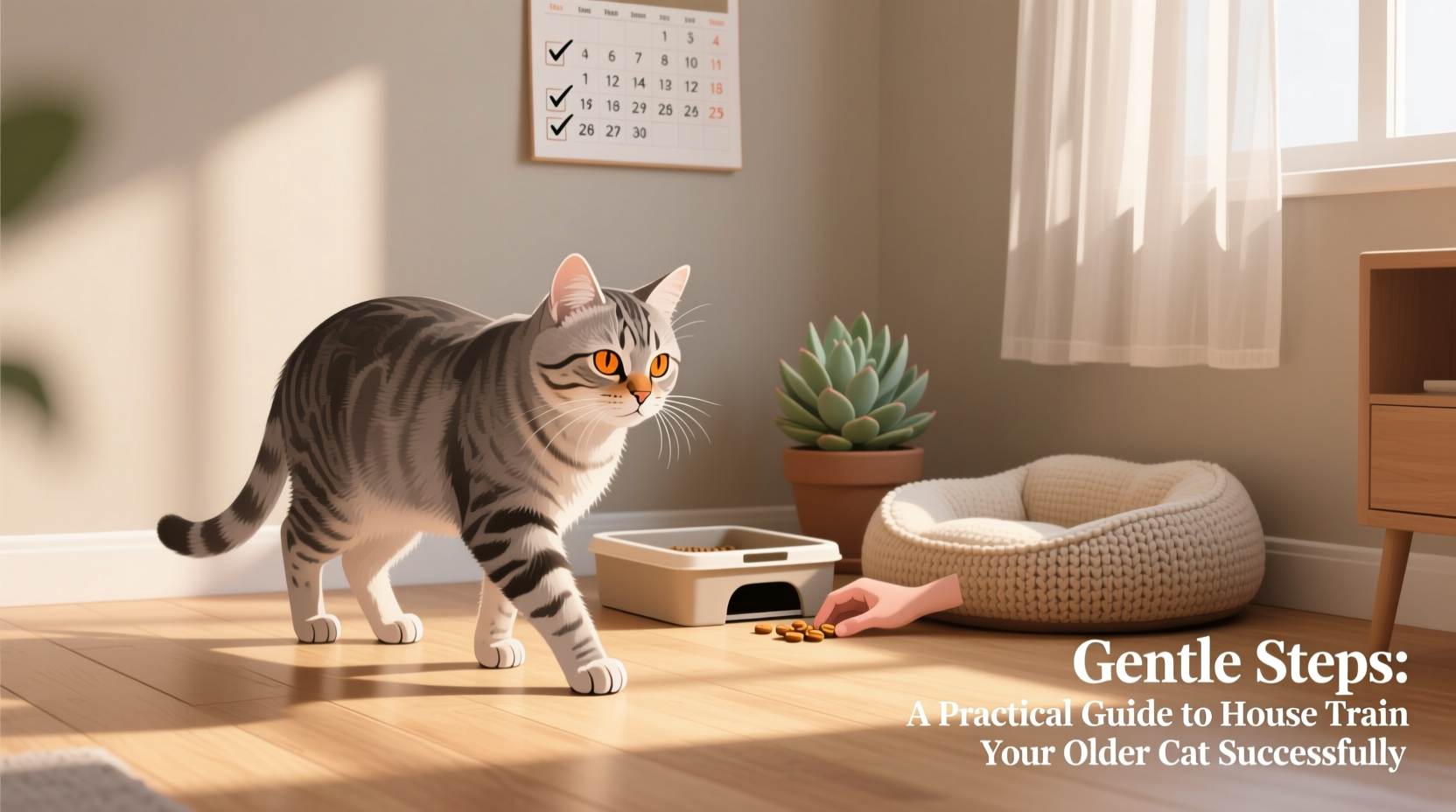
Cats are naturally fastidious animals. When an older cat stops using the litter box, it’s rarely due to defiance. More often, it’s a signal of discomfort, illness, or environmental stress. Common causes include:
- Medical conditions: Urinary tract infections, arthritis, kidney disease, or cognitive decline can make accessing or using the box painful or confusing.
- Litter box aversion: Strong scents, poor placement, or changes in litter type may deter use.
- Stress or anxiety: New pets, loud noises, or household changes can trigger inappropriate elimination.
- Inadequate number of boxes: The general rule is one box per cat, plus one extra.
Before beginning any training, consult a veterinarian. Rule out medical issues first—this step is non-negotiable for success.
“Never assume behavioral issues are just ‘bad habits.’ In older cats, toileting problems are often the first sign of underlying illness.” — Dr. Lena Reyes, Feline Behavior Specialist
A Step-by-Step Guide to Retraining Your Older Cat
Once medical concerns are ruled out, implement a structured retraining plan. Follow these steps carefully over several weeks. Rushing will backfire; consistency builds trust.
- Assess and optimize litter box setup. Choose a quiet, accessible location away from appliances or foot traffic. Use low-entry boxes if your cat has mobility issues.
- Use the right litter. Stick to unscented, clumping clay or recycled paper litter. Avoid liners or perfumed varieties that may repel sensitive cats.
- Introduce one box at a time. Place it where accidents occur most often. Gradually move it (no more than 1–2 inches per day) toward your desired location.
- Confine initially. Limit your cat to a small, safe room with food, water, bed, and the litter box. Expand territory only after consistent box use for 3–4 days.
- Reinforce correct behavior. Quietly praise or offer a treat when your cat uses the box. Never interrupt or startle them during elimination.
- Eliminate odors completely. Use enzymatic cleaners on soiled areas. Regular detergents leave scent markers that invite repeat incidents.
Do’s and Don’ts: A Quick Reference Table
| Do’s | Don’ts |
|---|---|
| Provide multiple litter boxes in multi-level homes | Yell at or punish your cat for accidents |
| Clean the box daily with mild, unscented soap | Use ammonia-based cleaners (they smell like urine) |
| Maintain a predictable routine for feeding and play | Suddenly change litter type or brand |
| Encourage calm interaction around the box area | Place food and litter box side by side |
| Monitor for signs of pain or hesitation when entering the box | Ignore repeated accidents—recheck for health issues |
Real Example: Rebuilding Trust with Bella
Bella, a 10-year-old domestic shorthair, began urinating beside her litter box after her family adopted a puppy. Her owners assumed she was acting out. After a vet visit revealed no infection, a behaviorist suggested confinement and environmental adjustments.
The family placed a second litter box in the guest bedroom—away from the puppy’s reach—and confined Bella there for five days. They used a shallow cardboard box filled with her preferred litter. Each time she used it correctly, she received a soft-spoken “good girl” and a freeze-dried chicken treat. Within a week, Bella was using the box consistently. Over the next ten days, they slowly reintroduced her to common areas, adding a third box near the living room.
Today, Bella uses all three boxes appropriately. The key wasn’t discipline—it was restoring her sense of safety and control.
Essential Checklist for Success
Print or save this checklist to track progress:
- ✅ Schedule a veterinary exam to rule out medical causes
- ✅ Choose appropriate litter and box style (low sides, open top)
- ✅ Place boxes in quiet, accessible locations
- ✅ Clean boxes daily and replace litter weekly
- ✅ Use enzymatic cleaner on all accident sites
- ✅ Monitor behavior and note patterns (time of day, triggers)
- ✅ Confine your cat temporarily if needed
- ✅ Be patient—allow 4 to 6 weeks for full improvement
Frequently Asked Questions
Can you really house train an older cat?
Yes—older cats can learn new habits, especially when motivated by comfort and safety. While they may take longer than kittens, most respond well to positive reinforcement and environmental adjustments. Success depends more on consistency than age.
How long does it take to retrain an older cat?
Most cats show improvement within 2–3 weeks, but full retraining can take up to six weeks. Factors like prior trauma, chronic pain, or household instability may extend the timeline. Patience and persistence are essential.
What if my cat refuses to use any litter box?
If your cat avoids all boxes despite efforts, revisit your vet. Conditions like interstitial cystitis or severe anxiety may require medication or specialized treatment. Also consider trying different box styles—some cats prefer covered boxes, others avoid them.
Conclusion: Small Steps, Lasting Change
House training an older cat isn’t about control—it’s about understanding. By addressing health, environment, and emotional well-being, you create the conditions for lasting change. Every small victory, from a single correct use to consistent daily habits, builds confidence—for both you and your cat.
Remember, setbacks are normal. What matters is your response: calm, consistent, and kind. With time and care, most older cats can regain proper litter box habits and enjoy a more peaceful life at home.
💬 Have a story about retraining your older cat? Share your journey in the comments—your experience could inspire another pet owner facing the same challenge.








