For pet owners whose animals suffer from digestive sensitivities, choosing the right diet can mean the difference between chronic discomfort and consistent well-being. Two increasingly popular options—fresh pet food and raw diets—are often praised for their natural ingredients and minimal processing. But when it comes to pets with delicate digestion, not all \"natural\" choices are equally safe or effective. Understanding the nuanced differences in safety, digestibility, and nutritional balance is essential before making a switch.
While both fresh and raw diets aim to move away from heavily processed kibble, they differ significantly in preparation, microbial risk, and consistency. This article breaks down the key considerations for pets with sensitive stomachs, compares potential benefits and dangers, and offers practical guidance for selecting the safest, most supportive option.
Fresh Pet Food: What It Is and How It Helps Sensitive Digestion
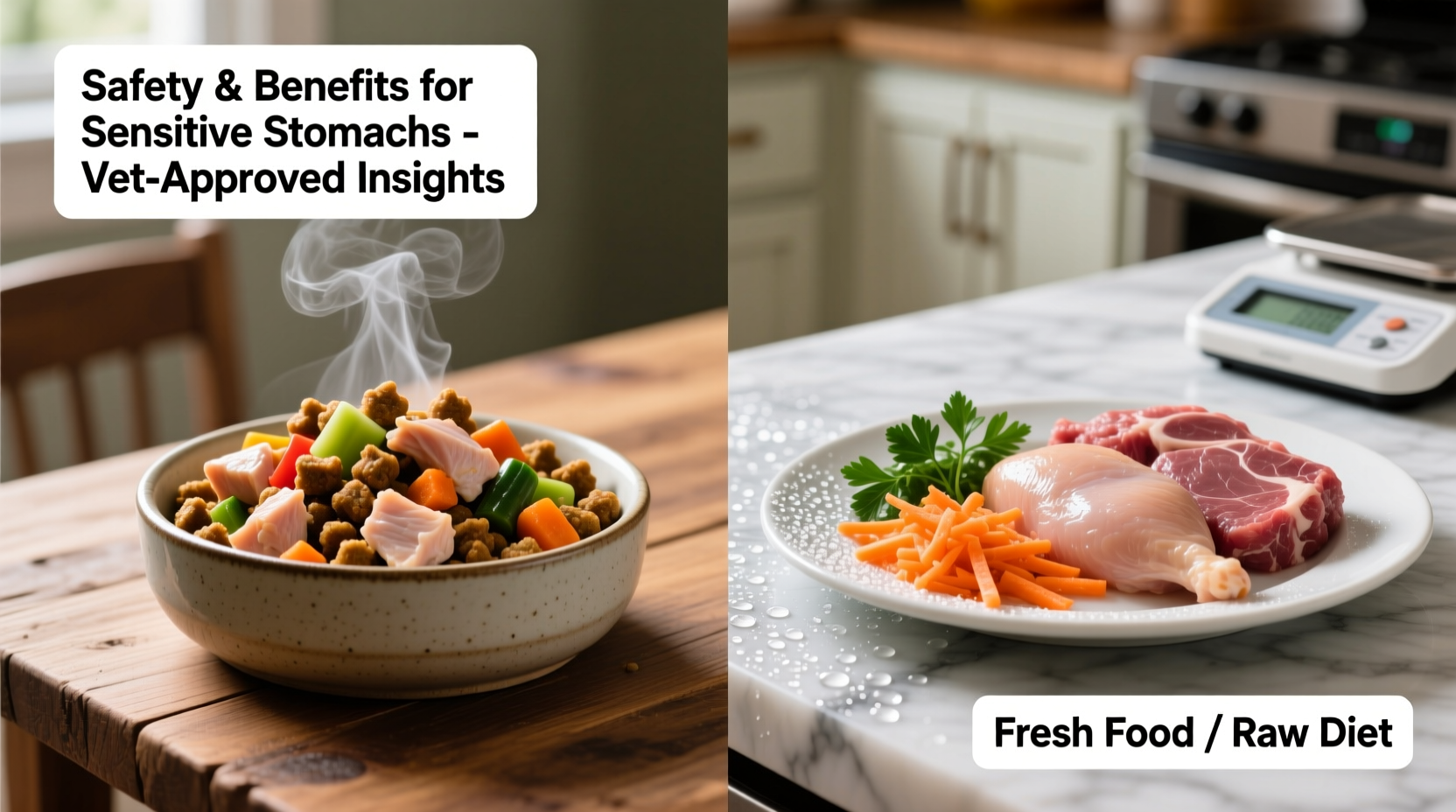
Fresh pet food refers to commercially prepared meals made with human-grade ingredients, cooked gently, and delivered refrigerated or frozen. Unlike kibble, which undergoes high-heat extrusion that can degrade nutrients, fresh food retains more moisture, enzymes, and bioavailable proteins. For pets with gastrointestinal issues, this can translate into easier digestion and fewer flare-ups.
Many fresh food brands formulate specifically for sensitive stomachs, using limited-ingredient recipes, novel proteins (like duck or kangaroo), and prebiotic fibers such as pumpkin or chicory root. These components support gut health by encouraging beneficial bacteria growth and reducing inflammation.
Tip: When introducing fresh food, start with 25% mixed into your pet’s current diet and increase gradually over 7–10 days to avoid sudden digestive upset.Because these meals are cooked, pathogens like Salmonella and E. coli are largely eliminated during production—assuming proper safety protocols are followed. Reputable companies batch-test their products and adhere to AAFCO (Association of American Feed Control Officials) standards, offering traceability and consistency that many raw feeders struggle to match at home.
Raw Diets: The Appeal and the Hidden Dangers
Raw feeding, often called BARF (Biologically Appropriate Raw Food) or prey-model diets, involves serving uncooked meat, bones, organs, and sometimes vegetables. Advocates claim it mirrors what dogs and cats would eat in the wild, promoting better dental health, shinier coats, and improved energy levels.
For some pets, especially those reacting poorly to grain-based kibble or synthetic additives, raw diets can reduce vomiting, gas, and loose stools. However, the lack of heat treatment introduces significant microbiological risks—not just to pets, but to humans in the household.
“Raw diets may improve coat condition and stool quality in some animals, but the risk of bacterial contamination is real and cannot be ignored—especially in homes with immunocompromised individuals.” — Dr. Lena Patel, Veterinary Nutritionist, UC Davis School of Veterinary Medicine
A 2023 study published in the *Journal of the American Veterinary Medical Association* found that over 40% of commercial raw pet foods tested positive for pathogenic strains of Salmonella or Listeria. Even frozen products aren’t immune; freezing slows but doesn't kill harmful bacteria. Pets may carry these organisms asymptomatically while shedding them in feces, creating a silent hazard in shared living spaces.
Comparing Fresh and Raw: Safety, Nutrition, and Digestibility
| Factor | Fresh Cooked Food | Raw Diet |
|---|---|---|
| Pathogen Risk | Low (cooked, batch-tested) | High (raw meat carries bacteria) |
| Digestibility | High (gentle cooking improves nutrient absorption) | Variable (depends on ingredient quality and balance) |
| Nutritional Balance | Typically complete and balanced (AAFCO-compliant) | Often unbalanced unless carefully formulated |
| Suitability for Sensitive Stomachs | Excellent (controlled ingredients, low irritants) | Risky (potential for bacterial overgrowth, inconsistent formulation) |
| Convenience | Moderate (refrigeration needed, portion-controlled) | Low (requires handling raw meat, sourcing varies) |
The data suggests that while raw diets may offer short-term improvements in stool quality for some pets, they come with greater uncertainty. In contrast, fresh cooked diets provide a safer, more predictable alternative—particularly valuable for animals already struggling with gut dysbiosis or inflammatory bowel conditions.
Real-World Example: Managing Chronic GI Upset in a Rescue Dog
Max, a 4-year-old mixed-breed rescue, had a history of chronic diarrhea and intermittent vomiting since adoption. His previous owner fed a homemade raw diet consisting of chicken, beef, and ground bones purchased from a local butcher. Despite appearing energetic, Max frequently passed loose stools and showed signs of gas and bloating.
After consultation with a veterinary nutritionist, Max was transitioned to a vet-recommended fresh food brand featuring turkey, sweet potato, and probiotics. Within three weeks, his stool consistency normalized, vomiting ceased, and his coat became noticeably softer. Fecal testing revealed a reduction in harmful gut bacteria and an increase in beneficial lactobacilli.
The change wasn’t due solely to switching from raw to cooked—it was the combination of controlled ingredients, consistent nutrient profiles, and elimination of bacterial load that allowed Max’s gut to heal. His case illustrates how sensitive systems often benefit more from predictability than from theoretical biological mimicry.
Step-by-Step Guide to Transitioning a Sensitive Pet Safely
Switching diets, especially for pets with gastrointestinal vulnerabilities, requires patience and precision. Follow this timeline to minimize disruption:
- Day 1–2: Mix 25% new food with 75% old food. Monitor for vomiting, diarrhea, or lethargy.
- Day 3–4: Increase to 50% new food. Continue observing stool quality and appetite.
- Day 5–6: Use 75% new food. If any adverse symptoms appear, pause and hold at the last tolerated ratio for several more days.
- Day 7 onward: Feed 100% new diet if no issues arise. Keep monitoring for up to two weeks, as some reactions are delayed.
- Ongoing: Maintain a food diary noting stool score, energy levels, and skin/coat condition. Share with your vet during checkups.
Critical Considerations Before Choosing Either Option
Not all fresh or raw foods are created equal. Pet owners must evaluate product quality, sourcing transparency, and scientific backing before committing. Here’s what to look for:
- Human-grade ingredients: Indicates higher safety and quality standards than feed-grade.
- Batch testing: Reputable brands publish third-party lab results for pathogens and nutrient analysis.
- Veterinary oversight: Formulas developed with input from board-certified veterinary nutritionists are more likely to be balanced.
- Clear labeling: Avoid vague terms like “meat meal” or “animal by-products.” Opt for named protein sources (e.g., “chicken liver”).
Homemade raw diets pose additional challenges. A 2020 study in *PLOS ONE* found that 95% of DIY raw recipes were nutritionally imbalanced—missing critical vitamins like calcium, vitamin D, or taurine. Without supplementation and careful planning, long-term deficiencies can lead to bone disorders, heart disease, or neurological problems.
Frequently Asked Questions
Can a raw diet cure my pet’s food sensitivities?
Not necessarily. While some pets improve on raw food due to the absence of fillers and preservatives, others worsen due to bacterial irritation or ingredient inconsistencies. True food allergies require diagnostic testing and controlled elimination diets, not just a shift in food format.
Is fresh food too expensive for long-term use?
It can be costlier than kibble, but many owners find the reduction in vet visits, medications, and supplements offsets the initial investment. Some fresh food companies offer subscription discounts or smaller portion sizes to improve affordability.
Do I need a prescription for fresh pet food?
No, most fresh foods are available over the counter. However, therapeutic formulas designed for specific medical conditions (like pancreatitis or kidney disease) may require veterinary approval.
Action Plan: Making the Right Choice for Your Pet
When managing a sensitive stomach, the goal isn’t novelty—it’s stability. Fresh cooked pet food offers a compelling middle ground: whole-food nutrition without the microbiological gamble of raw feeding. It provides consistent formulations, safer handling, and better odds of long-term digestive harmony.
If you’re considering raw feeding, consult a veterinary nutritionist first. Ask for a full dietary analysis to ensure balance, and never serve raw food in households with young children, elderly adults, or anyone with compromised immunity.
“The safest diet for a pet with gastrointestinal issues is one that is nutritionally complete, easily digestible, and free from contamination risks.” — Dr. Marcus Tran, Board-Certified Veterinary Internal Medicine Specialist
Final Checklist Before Switching Diets
- ✔ Consult your veterinarian about your pet’s specific digestive history.
- ✔ Choose a fresh food brand with AAFCO compliance and transparent sourcing.
- ✔ Avoid raw diets if your pet has a weakened immune system or lives with vulnerable people.
- ✔ Transition slowly over 7–10 days, adjusting based on tolerance.
- ✔ Keep detailed records of symptoms, stool quality, and behavior changes.
- ✔ Schedule a follow-up vet visit after 4–6 weeks to assess progress.
Take Action for a Healthier, Happier Pet
Your pet’s digestive health is foundational to their overall vitality. While raw diets attract attention for their “natural” appeal, fresh cooked food often delivers superior safety and consistency—especially for animals already struggling with sensitivity. Armed with the facts, you can make a decision rooted in care, not trends.
💬 Have experience with fresh or raw feeding? Share your story in the comments below. Your insights could help another pet parent navigate this important choice.








