
For pet owners today, choosing what to feed their dog or cat has become far more complex than simply grabbing a bag off the shelf. With the rise of fresh pet food delivery services like Ollie, Nom Nom, The Farmer’s Dog, and others, many are reconsidering whether traditional dry kibble still makes sense—especially when it comes to health, convenience, and long-term cost. But while fresh pet food touts superior nutrition and transparency, its subscription model raises a critical question: is the ongoing cost truly sustainable for the average household?
This isn’t just about budgeting—it’s about balancing quality, pet health, and financial responsibility. As more families adopt subscription-based feeding, understanding the real cost implications, nutritional trade-offs, and environmental footprint becomes essential.
Nutritional Differences: Fresh Food vs. Dry Kibble
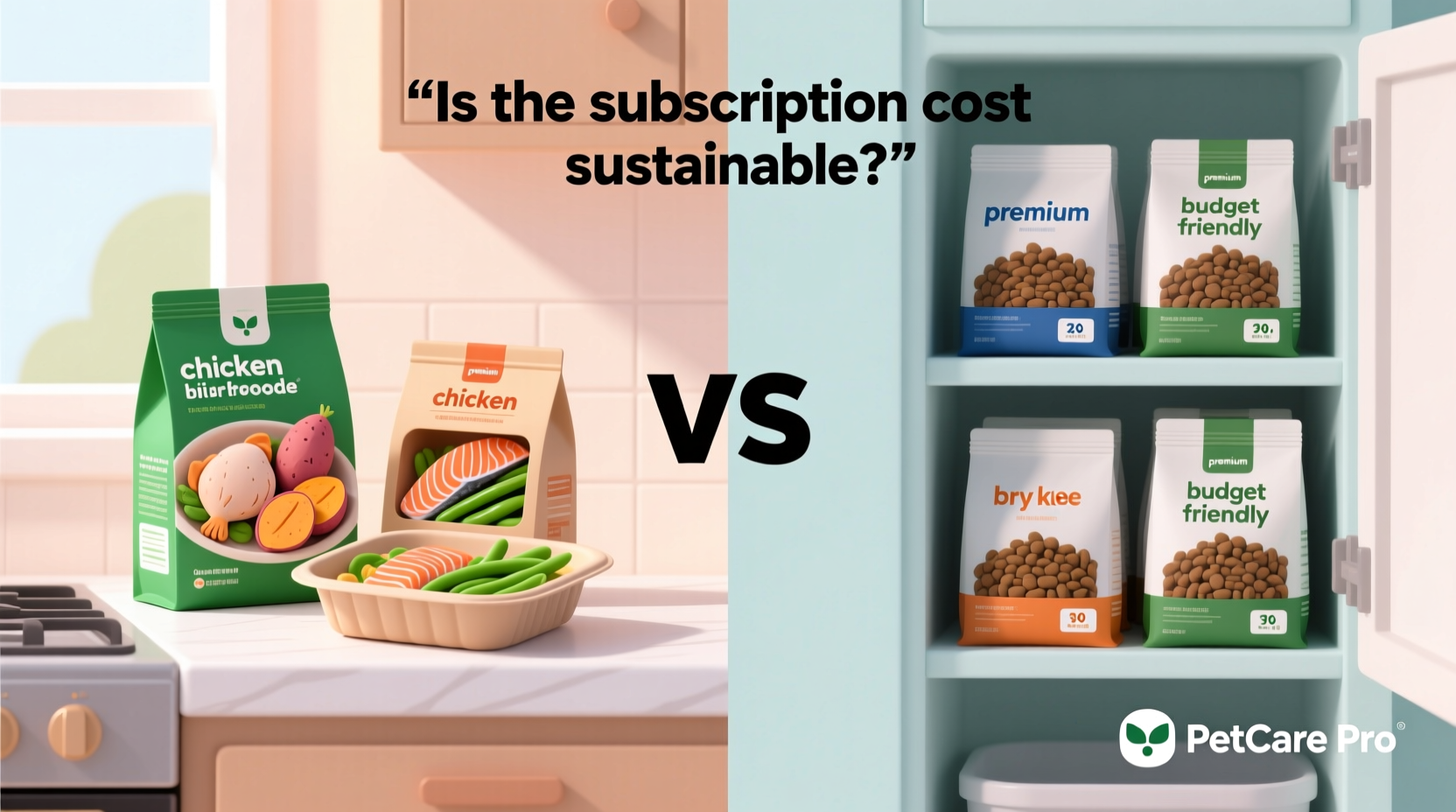
Fresh pet food is typically made with human-grade ingredients, cooked in small batches, and delivered frozen or refrigerated. These meals often contain whole meats, vegetables, and grains without artificial preservatives. In contrast, dry kibble is highly processed, using high heat and pressure to extrude ingredients into shelf-stable pellets. While some premium kibbles use quality proteins, most rely on rendered meals, fillers, and synthetic nutrients to meet AAFCO standards.
The difference in processing affects digestibility and nutrient retention. Fresh food generally offers higher bioavailability, meaning pets absorb more nutrition per bite. This can translate to smaller portion sizes and potentially fewer digestive issues. Veterinarians increasingly observe that dogs with chronic skin conditions, gas, or loose stools often improve when switched to fresh diets.
“Fresh, minimally processed diets can support better gut health and immune function in pets, especially those with sensitivities.” — Dr. Karen Liu, DVM, Board-Certified Veterinary Nutritionist
However, not all fresh foods are created equal. Some brands overemphasize marketing over science, lacking full nutritional profiles or third-party testing. Always verify that a brand meets AAFCO nutrient profiles for your pet’s life stage.
Breaking Down the Costs: Monthly Subscriptions vs. Bulk Kibble
At first glance, the price difference is stark. A 30-pound bag of mid-tier dry kibble costs between $40 and $70 and can last a medium-sized dog up to two months. On the other hand, a fresh food subscription for the same dog might run $200–$300 per month.
To illustrate, here’s a side-by-side comparison:
| Diet Type | Monthly Cost (Medium Dog) | Shelf Life | Storage Needs | Preparation Time |
|---|---|---|---|---|
| Premium Dry Kibble | $60–$90 | 6–12 months (unopened) | Pantry-safe, no refrigeration | None – pour and serve |
| Fresh Pet Food (Subscription) | $200–$350 | Up to 3 weeks (frozen) | Freezer + fridge space required | Thawing needed (12–24 hrs) |
The numbers make it clear: fresh food is significantly more expensive upfront. But cost sustainability isn’t only about sticker price—it’s also about value over time. Proponents argue that improved digestion, shinier coats, and reduced vet visits may offset long-term expenses.
Tip: Calculate your pet’s daily caloric needs before subscribing—many fresh food companies overestimate portions, leading to unnecessary spending.Is the Subscription Model Sustainable Long-Term?
Subscription services offer convenience: automatic deliveries, customized meal plans, and customer support. But this model locks users into recurring charges, which can strain budgets during economic downturns or unexpected expenses.
Consider a family earning $65,000 annually. Adding $250/month for pet food is a 4.6% increase in monthly expenses—equivalent to a car payment. For some, this is manageable. For others, especially those already budgeting tightly, it’s unsustainable.
Moreover, flexibility is limited. Most services require minimum commitments or charge cancellation fees. If your pet develops an allergy to a protein in the meal plan, switching may take days, during which you’re still paying for unused food.
Yet, sustainability isn’t purely financial. Environmentally, fresh food subscriptions generate more packaging waste—insulated liners, ice packs, cardboard boxes—shipped frequently via carbon-intensive logistics. Dry kibble, despite its processing, often has a lower per-meal carbon footprint due to density and shelf stability.
Real-Life Example: The Martinez Family’s Switch
The Martinez family in Austin, Texas, switched their 4-year-old Labrador, Max, to a fresh food subscription after he developed chronic ear infections and soft stools. Their vet suspected a food sensitivity. After trying two limited-ingredient kibbles with little improvement, they opted for a 6-week trial with The Farmer’s Dog.
Max’s coat improved within three weeks. His energy levels increased, and his vet noted healthier weight distribution. However, the $280 monthly bill quickly became a concern. When Maria Martinez lost her part-time job, they paused the subscription and returned to a high-quality kibble blended with fresh-cooked chicken at home.
“We saw real benefits,” Maria said, “but we couldn’t justify the cost long-term. Now we do half-and-half—some kibble, some homemade—and Max is still doing great.”
Their story reflects a growing trend: hybrid feeding. Instead of going fully fresh, pet owners blend kibble with fresh elements to balance cost and nutrition.
Smart Strategies to Make Fresh Feeding More Affordable
You don’t have to choose between budget and quality. Several approaches can reduce the financial burden while maintaining nutritional benefits:
- Blend fresh with kibble: Mix 25–50% fresh food into regular meals. This improves palatability and nutrient intake without doubling costs.
- Cook at home strategically: Prepare batches of boiled chicken, rice, and steamed veggies once a week. Pair with a complete commercial base if needed.
- Use subscription discounts: Many services offer 50–75% off the first month. Use this to test tolerance before committing.
- Adjust portion sizes: Monitor your pet’s weight and activity. Overfeeding is common with fresh food due to calorie density.
- Compare brands: Not all fresh food is equally priced. Some offer smaller portion options or regional pricing advantages.
Checklist: Evaluating Fresh Food Affordability
- ✅ Calculate your pet’s daily calorie requirement
- ✅ Compare monthly fresh food quotes from 3+ providers
- ✅ Assess freezer and fridge space availability
- ✅ Review your emergency fund—can you absorb a $300/month expense?
- ✅ Plan for backup feeding options during travel or disruptions
- ✅ Schedule a vet check before and after switching
When Fresh Makes Financial Sense—And When It Doesn’t
Fresh pet food subscriptions can be sustainable under specific circumstances:
- Medical necessity: Pets with allergies, IBD, or poor nutrient absorption may benefit enough to reduce vet costs.
- High-income households: For families with disposable income, the premium is easier to absorb.
- Multi-pet homes with bulk discounts: Some services offer reduced rates for multiple pets.
- Short-term transitions: Using fresh food to reset gut health before returning to kibble.
Conversely, fresh food may not be sustainable if:
- You live paycheck to paycheck or lack savings.
- Your pet does well on high-quality kibble.
- You travel frequently and can’t manage thawing schedules.
- You’re concerned about environmental impact from shipping and packaging.
There’s also a middle path: rotating diets. Some owners alternate fresh food weeks with kibble weeks, giving pets variety while managing costs. Others use fresh as a topper—just ¼ cup per meal adds flavor and nutrients without breaking the bank.
Frequently Asked Questions
Is fresh pet food worth the extra cost?
It depends on your pet’s health and your financial situation. For pets with sensitivities or low energy, the benefits may justify the cost. For healthy pets thriving on good kibble, the upgrade may offer minimal return.
Can I switch back to kibble after using fresh food?
Yes, but transition gradually over 7–10 days to avoid digestive upset. Mix increasing amounts of kibble with decreasing fresh food.
Do fresh food subscriptions lock me into contracts?
Most don’t require long-term contracts, but they encourage continuity through auto-ship discounts. You can usually cancel anytime, though some brands charge restocking fees for paused orders.
Conclusion: Balancing Health, Cost, and Practicality
The debate between fresh pet food and dry kibble isn’t just about nutrition—it’s about sustainability in every sense. Financially, fresh food subscriptions are out of reach for many, despite their potential health perks. Environmentally, the frequent shipping and packaging raise valid concerns. Practically, not every lifestyle accommodates frozen meal planning.
That doesn’t mean fresh food is a fad. For certain pets and owners, it’s a game-changer. But sustainability lies in smart choices, not blind adherence to trends. Whether you go fully fresh, blend diets, cook at home, or stick with premium kibble, the goal is the same: a long, healthy life for your pet without compromising your household’s stability.
Rather than defaulting to a subscription because it’s marketed as “better,” assess your unique situation. Calculate the real cost, consider your pet’s actual needs, and remain open to flexible solutions. The most sustainable diet isn’t always the most expensive—it’s the one that works consistently, affordably, and safely over time.
💬 Have you tried fresh pet food? What worked—or didn’t work—for your budget and pet? Share your experience below to help others make informed decisions.








