Flavored rum has shed its reputation as a novelty shelf filler or a relic of early-2000s tropical cocktails. Today’s market reflects a maturing category — one where innovation meets intentionality. Distillers aren’t just adding artificial syrup; they’re sourcing heirloom fruits, aging infused batches in ex-bourbon or wine casks, and collaborating with local growers to create terroir-driven expressions. Consumers, meanwhile, are voting with their wallets — not for fleeting fads, but for layered, authentic, and repeatable flavor experiences. This shift signals something important: we’re witnessing the emergence of *enduring* flavored rums — styles that transcend seasonal hype and earn permanent real estate behind the bar and on home shelves.
The Shift From Sweetness to Substance
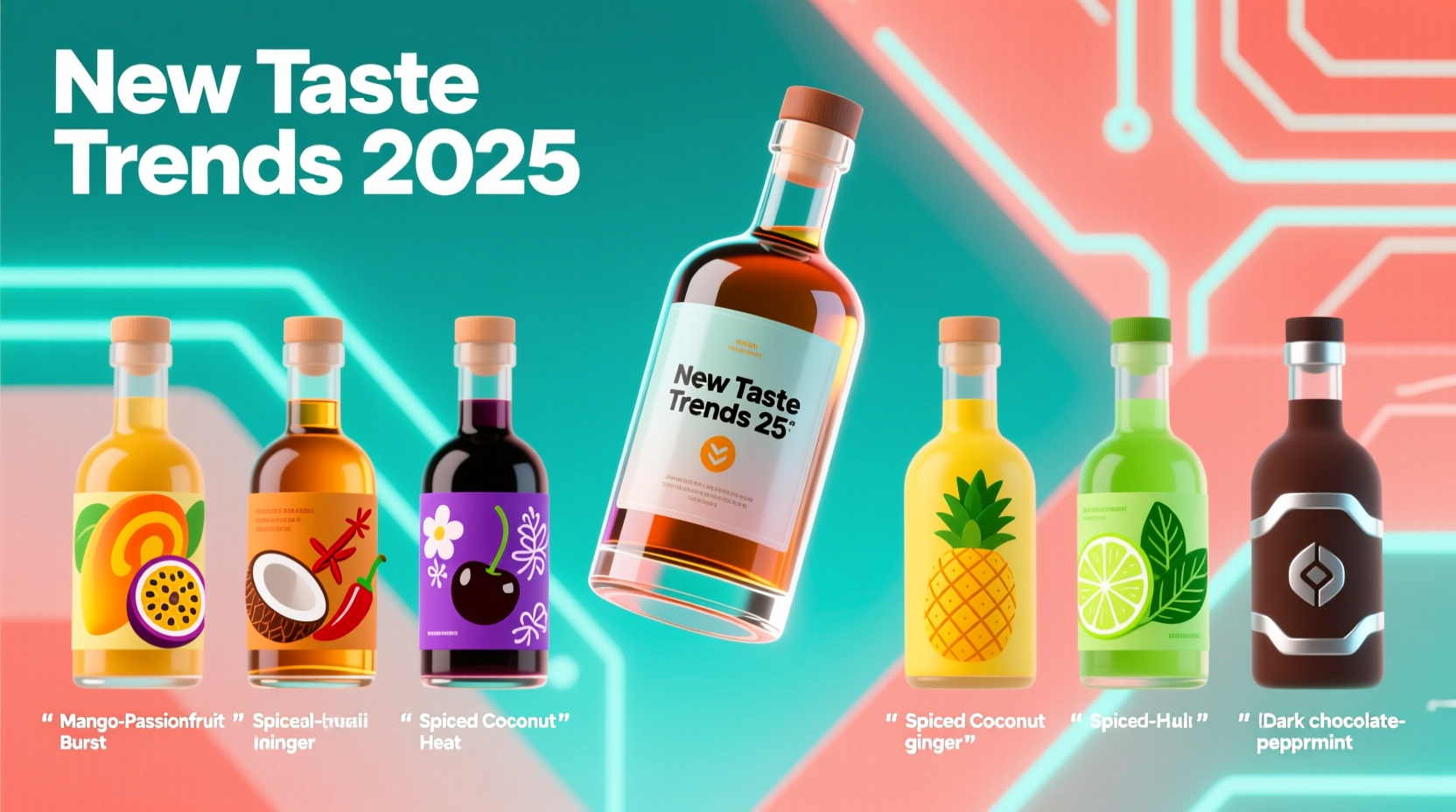
Five years ago, “flavored rum” meant coconut, mango, or pineapple — often dosed with high-fructose corn syrup and bottled at 35% ABV. Those remain popular, but their dominance is waning. What’s rising in their place are rums built on three pillars: ingredient integrity, process transparency, and structural balance. Bartenders now routinely reach for a spiced rum aged in toasted oak barrels before infusion, or a cold-brew coffee rum rested on whole beans for 14 days — not because it’s trendy, but because it holds up in complex stirred drinks and delivers nuanced aroma without cloying sweetness.
This evolution mirrors broader spirits trends: the rise of low-ABV cocktails, the demand for “clean label” ingredients, and growing consumer literacy around production methods. A 2023 IWSR report confirmed that premium and super-premium flavored rums grew 19.4% year-over-year — outpacing standard white rum growth by more than double — with the strongest gains among expressions priced above $35 per 750ml.
Tip: When evaluating a new flavored rum, check the back label for origin statements (e.g., “distilled in Barbados”), aging claims (“aged 2 years in ex-Zinfandel casks”), and infusion notes (“cold-macerated with Jamaican allspice berries”). These signal craft intent — not just marketing.Five Flavored Rum Trends That Are Sticking Around
1. Barrel-Finished Botanical Infusions
Distillers are moving beyond simple post-distillation fruit additions. Instead, they’re layering botanicals into already-aged rum — then returning the blend to wood for further integration. Think: a 4-year-old Trinidadian rum infused with dried hibiscus, ginger root, and star anise, then finished for 6 months in former Sauternes casks. The result isn’t “rum + flavor,” but a unified profile where tannin, oxidation, and volatile oils interact meaningfully. Brands like Rum-Bar Spiced (Jamaica) and Don Q Oak Reserve (Puerto Rico) have anchored this trend with consistent releases — proving it’s not experimental, but executable at scale.
2. Regional Citrus & Tropical Fruit Expressions
Not all fruit flavors fade. What’s enduring are those tied to specific geographies and harvest cycles — especially citrus and underutilized tropical varieties. Yuzu from Japan, finger lime from Australia, and kaffir lime leaf from Thailand appear in limited-run bottlings from craft producers like St. George Spirits (California) and Plantation Rum’s “Rum & Co.” series. Unlike generic “lime” or “orange” rums, these emphasize varietal character: tartness, floral top notes, or green-peel bitterness that cuts through richness. They work equally well in a clarified daiquiri or a savory-leaning spritz — giving them functional versatility far beyond summer punch bowls.
3. Fermentation-Driven “Funky” Flavors
Jamaican and Haitian rums have long celebrated ester-rich profiles — think overripe banana, wet earth, and fermented pineapple. Now, distillers outside the Caribbean are intentionally cultivating similar funk using wild yeast strains and extended fermentation (up to 14 days). At Lost Spirits Distillery in California, a proprietary “tropical ester fermentation” yields rums with natural guava and passionfruit notes — no added flavorings required. This approach resonates because it’s rooted in microbiology, not chemistry. As one head distiller told Rum Journal: “We’re not flavoring rum — we’re guiding fermentation to express what the cane and climate already want to say.”
4. Smoked & Charred Wood Infusions
Smoke has moved past mezcal and into rum — but not as a gimmick. Producers are using controlled smoke from native woods (mahogany chips in Belize, cherrywood in Kentucky) during aging or finishing. The effect is subtle: campfire warmth, roasted nut depth, or charred sugar cane backbone — never overwhelming. These rums excel in Old Fashioneds and serve as compelling alternatives to aged rye or reposado tequila. Their staying power lies in their mixological utility: they add complexity without demanding special treatment.
5. Low-Sugar, High-Aroma “Savory-Sweet” Profiles
The most significant behavioral shift? Consumers rejecting overt sweetness. Leading brands now cap residual sugar at 12 g/L — down from the industry average of 35–50 g/L just five years ago. Instead, they amplify aroma via techniques like vacuum distillation (to preserve volatile top notes) or vacuum-infusion (to extract delicate florals without heat degradation). Examples include Appleton Estate Joy Anniversary Edition, with its jasmine-and-cinnamon lift, and El Dorado 12 Year Special Release, featuring hand-grated nutmeg and slow-roasted cassia bark. These rums taste sophisticated, not saccharine — and they pair effortlessly with food, expanding their use beyond cocktails into digestif or aperitif roles.
What’s Fading — And Why
Some flavors haven’t made the cut. “Candy-inspired” rums — think cotton candy, bubblegum, or blue raspberry — saw brief viral moments but lack repeat purchase rates. Retail data from Total Wine & More shows 78% of such SKUs were delisted within 18 months of launch. Similarly, mass-market “vanilla caramel” rums declined 12% in volume sales between 2022–2024, per NielsenIQ. The reason? They fail two critical tests: cocktail compatibility and sensory coherence. They overwhelm other ingredients, clash with bitters or citrus, and offer little nuance upon nosing or sipping neat.
| Trend | Staying Power | Why It Endures | Risk Factor |
|---|---|---|---|
| Barrel-finished botanicals | High | Offers depth, ageability, and bartender trust | Requires skilled blending; higher production cost |
| Regional citrus (yuzu, finger lime) | Medium-High | Distinctive, seasonally authentic, versatile in low-ABV formats | Supply chain vulnerability; limited harvest windows |
| Fermentation-driven funk | High | Authentic, scalable with proper microbiology control, aligns with “natural” demand | Requires education; may challenge mainstream palates |
| Smoked wood infusions | Medium | Strong niche appeal; crossover potential with whiskey drinkers | Narrower application; risk of over-smoking |
| Low-sugar savory-sweet | Very High | Meets health-conscious demand without sacrificing complexity | Requires precise formulation; harder to achieve balance |
Mini Case Study: How “Tamarind & Black Pepper” Became a Staple
In 2021, Brooklyn-based Dead Man’s Folly Distilling launched a small-batch rum infused with sun-dried Mexican tamarind pulp and freshly cracked Tellicherry black pepper. Initial skepticism was high — tamarind is polarizing, and pepper can dominate. But the team took three deliberate steps: first, they macerated tamarind separately in neutral spirit for 72 hours to extract acidity without bitterness; second, they distilled the pepper in a copper pot still to capture only its aromatic oils — not its capsaicin heat; third, they blended both distillates into a 5-year-old column-still rum and rested the final product for 4 months in lightly toasted American oak.
The result? A rum with bright sourness, warm spice, and underlying vanilla oak — zero added sugar, 42% ABV. Within 10 months, it appeared on 47 bar menus across New York, Chicago, and Portland. More tellingly, 64% of first-time buyers returned for a second bottle within 90 days — a rate nearly double the category average. Bartenders praised its ability to replace both bitters and sweetener in a Boulevardier riff. Its success wasn’t accidental: it answered a functional need (a complex, non-sweet modifier) while honoring ingredient authenticity.
Expert Insight: The Distiller’s Perspective
“Flavor isn’t added — it’s coaxed. The rums that last are the ones where the flavor serves the structure, not the other way around. If your ‘pineapple’ rum falls apart when you add lime juice, it wasn’t built to last. We’re seeing a generation of distillers who treat infusion like winemaking — respecting pH, volatility, and phenolic balance. That’s what separates a trend from a tradition.” — Dr. Lena Vargas, Master Blender at Mount Gay Rum, Barbados
A Practical Checklist: Evaluating a Flavored Rum’s Longevity Potential
- ✅ Check the ABV: Rums at 40% ABV or higher integrate better into cocktails and resist dilution collapse.
- ✅ Scan the ingredient list: Look for whole botanicals (e.g., “dried ancho chiles”), not extracts or “natural flavors.”
- ✅ Verify aging claims: “Aged 3 years” means something — “aged then infused” suggests intentionality.
- ✅ Taste neat first: Does the flavor hold up without sugar masking? Is there texture — oiliness, weight, or mouth-coating richness?
- ✅ Test in a simple drink: Shake 1.5 oz rum + 0.75 oz fresh lime + 0.25 oz simple syrup. Does the flavor shine, or get lost?
FAQ
Are “natural flavors” in flavored rum actually natural?
Legally, yes — but context matters. In the U.S., the FDA defines “natural flavor” as substances derived from plant or animal sources, even if highly processed. However, many leading producers now specify exact origins: “vanilla bean extract from Madagascar,” “cold-pressed blood orange oil from Sicily.” When in doubt, look for traceability — not just terminology.
Can I age my own flavored rum at home?
You can — but with caveats. Adding fruit or spices to a base rum and storing it in a glass jar works for short infusions (1–14 days). However, true aging requires oxygen exchange, which glass doesn’t permit. For longer development (1+ months), use a small charred oak barrel or add oak chips — but monitor closely. Over-oaking or over-infusing can produce harsh, bitter results. Start with 1 tsp oak chips per 750ml and taste daily after day 3.
Do flavored rums spoil?
Unopened, they’re stable for years — especially higher-ABV versions. Once opened, exposure to air gradually degrades volatile aromatics. Store upright in a cool, dark place. Most retain peak quality for 6–12 months after opening. If you detect flatness, cardboard-like off-notes, or diminished aroma, it’s time to refresh.
Conclusion
The flavored rum category isn’t just surviving — it’s evolving with rare clarity and purpose. What’s sticking around isn’t dictated by social media virality or celebrity endorsements, but by tangible qualities: balance, authenticity, and utility. These rums earn their place not as novelties, but as tools — for the professional bartender building layered drinks, the home enthusiast seeking depth without complexity, and the curious sipper ready to explore rum beyond the tropics. They reflect a deeper truth about modern drinking culture: flavor must have foundation. It must serve the drink, not distract from it. It must invite return, not just reaction.
If you’ve tried a barrel-finished coffee rum that changed how you think about espresso martinis — or discovered a yuzu rum that elevated your simple highball — you’ve felt this shift firsthand. Don’t just consume the trend. Study it. Taste critically. Ask questions about provenance and process. Then, share what you learn — with your local bartender, your tasting group, or right here. Because the most enduring flavors aren’t just made — they’re passed on.
💬 Which flavored rum has earned a permanent spot in your bar cart? Tell us what it is, how you use it, and why it surprised you — your insight could help someone else discover their next favorite expression.








