
Bringing a new puppy home is joyful—but sleepless nights can quickly turn excitement into exhaustion. One of the most effective ways to establish healthy sleep habits early is crate training. When done correctly, crating provides a safe, den-like space that helps puppies feel secure while reinforcing boundaries. However, getting a young dog to sleep through the night in a crate requires consistency, patience, and strategy. This guide delivers actionable advice from canine behavior experts and experienced trainers to help you—and your pup—finally enjoy full, uninterrupted nights.
Why Crate Training Works for Nighttime Sleep
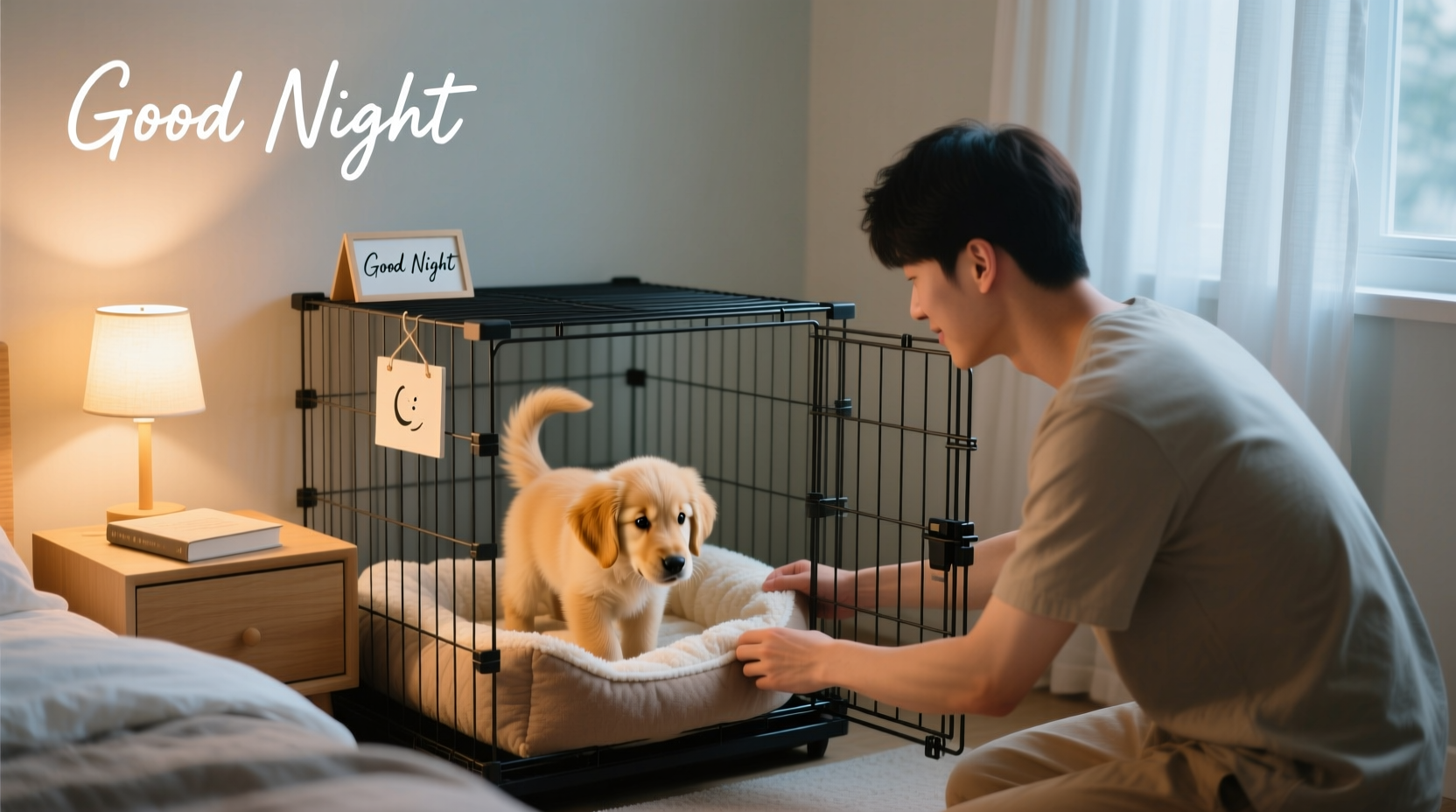
Dogs are den animals by nature. In the wild, they seek enclosed spaces for rest and protection. A properly introduced crate taps into this instinct, offering a personal sanctuary where a puppy can relax without overstimulation. When used positively—not as punishment—the crate becomes associated with safety, comfort, and routine.
More than just a behavioral tool, nighttime crating supports housebreaking. Puppies naturally avoid soiling their sleeping area, which encourages bladder control as they learn to hold it until morning (or scheduled potty breaks). The key is gradual conditioning. Rushing the process leads to anxiety, resistance, and setbacks.
“Crate training, when approached with empathy and structure, sets the foundation for lifelong emotional regulation and household harmony.” — Dr. Karen Becker, Veterinary Advocate and Animal Behavior Specialist
Step-by-Step: Building a Nighttime Crate Routine
Success doesn’t come overnight. Most puppies under 16 weeks old lack the physical ability to go more than 3–4 hours without eliminating. But with a structured plan, many can sleep 6–8 hours by 4 months of age. Follow this timeline to build confidence and consistency:
- Introduce the crate during daytime: Leave the door open and place treats, toys, or meals inside. Let the puppy explore freely without pressure.
- Add short sessions with the door closed: Start with 5–10 minutes while you’re nearby. Gradually increase duration as the puppy remains calm.
- Move the crate into your bedroom: For the first few weeks, proximity reduces separation anxiety. Your presence reassures the puppy it’s not being abandoned.
- Establish a pre-bed routine: Feed dinner 2–3 hours before bedtime, followed by a long walk and one final potty break right before crating.
- Use a consistent verbal cue: Phrases like “bedtime” or “kennel up” paired with a treat help signal what’s expected.
- Ignore whining initially: If the puppy cries within the first 5–10 minutes, wait it out. Responding too soon reinforces attention-seeking behavior. Only intervene if you suspect distress or need to go outside.
- Respond calmly to legitimate needs: If after several days the puppy consistently wakes at the same time, take them out quietly—no eye contact, no play—then return to crate immediately.
Essential Do’s and Don’ts for Crate Success
Avoid common pitfalls that undermine progress. Many well-meaning owners accidentally reinforce undesirable behaviors by misjudging cues or rushing the process. Use this table to stay on track:
| Do’s | Don’ts |
|---|---|
| Use soft bedding and a covered crate to simulate den conditions | Place the crate in a loud, high-traffic area like the laundry room |
| Stick to a predictable schedule for feeding, walks, and bedtime | Vary bedtimes or let the puppy sleep elsewhere some nights |
| Use puzzle toys or stuffed Kongs to create positive associations | Leave rawhide bones or small toys that could be chewed and swallowed |
| Gradually move the crate out of your room after 2–3 weeks of success | Move the crate too soon, especially if the puppy still shows anxiety |
| Praise calm behavior when opening the crate in the morning | Let the puppy out immediately when it barks or scratches |
Creating the Ideal Sleep Environment
Location and setup matter. A poorly placed crate can lead to overstimulation or feelings of isolation. Consider these factors:
- Quiet corner of a lived-in room: Choose a spot near family activity but away from drafts, direct heat, or noise sources like TVs.
- Partial coverage: Drape a lightweight blanket over three sides to block visual distractions and enhance coziness. Ensure airflow isn’t restricted.
- White noise or calming music: Low-volume ambient sound masks sudden noises (e.g., traffic, thunder) that might startle a light sleeper.
- Temperature control: Puppies regulate body temperature poorly. Maintain room temps between 68–72°F (20–22°C), especially for small or short-haired breeds.
- No food or water in the crate: Prevent accidents by removing bowls at least two hours before bedtime.
Real Example: How Max Learned to Sleep Through the Night
Max, a 10-week-old Labrador Retriever, arrived at his new home full of energy but anxious at night. His owners, Sarah and Tom, placed his crate in the living room, far from their bedroom. By midnight, Max was howling, and they rushed to comfort him—unintentionally rewarding the crying.
After consulting a trainer, they revised their approach. They moved the crate into their bedroom, established a 30-minute wind-down routine with gentle play and a potty break, and began using a consistent “bedtime” command. For the first three nights, Max cried for 20 minutes. They waited silently, only letting him out at 5:30 a.m. for a bathroom trip.
By day five, Max entered the crate willingly and settled within minutes. After two weeks, he slept 7 hours straight. At 14 weeks, the crate was moved to the hallway outside their room. By 5 months, Max slept through the night in the basement, calm and confident.
Their success came not from perfection—but from consistency, timing, and resisting the urge to soothe on demand.
Checklist: First 7 Days of Nighttime Crate Training
Use this checklist to ensure you cover all critical steps in the crucial first week:
- ☑ Select a crate size appropriate for adult dog dimensions (use a divider for puppies)
- ☑ Introduce the crate with treats and toys during daylight hours
- ☑ Feed the last meal 2–3 hours before bedtime
- ☑ Take a long walk and final potty break 30 minutes before crating
- ☑ Place the crate in your bedroom for easy monitoring
- ☑ Use a consistent verbal cue when placing the puppy inside
- ☑ Offer a chew-safe toy or stuffed Kong for distraction
- ☑ Ignore minor whining for at least 10–15 minutes before assessing
- ☑ Respond only if the puppy seems distressed or needs to eliminate
- ☑ Keep mornings low-key—wait for calm behavior before releasing
- ☑ Track sleep patterns and elimination times in a notebook
- ☑ Avoid giving in and allowing bed-sharing, even once
Frequently Asked Questions
How long does it take for a puppy to sleep through the night in a crate?
Most puppies can sleep 6–8 hours by 4 to 5 months of age. Younger puppies (under 12 weeks) typically need one middle-of-the-night potty break. Progress depends on breed, size, consistency, and prior socialization. Small breeds may take longer due to smaller bladders.
Should I cover my puppy’s crate at night?
Covering three sides with a breathable fabric can create a den-like atmosphere and reduce visual stimulation. However, never fully enclose the crate or use heavy materials that restrict airflow. Monitor your puppy—if they seem stressed or overheated, remove the cover.
What if my puppy cries all night?
Continuous crying often signals unmet needs: hunger, cold, fear, or the need to eliminate. Rule out medical issues first. If the puppy is healthy, assess routine and environment. Brief crying is normal during adjustment. Avoid reinforcing the behavior by immediately responding. Instead, wait for pauses in crying, then quietly praise calmness. If crying persists beyond 2–3 weeks, consult a professional trainer.
Advanced Tips for Stubborn Cases
Some puppies struggle more than others. If your pup resists crating despite consistent effort, consider these advanced strategies:
- Reverse psychology: Spend time sitting quietly next to the open crate reading a book. Toss treats inside when the puppy approaches voluntarily. Build value without pressure.
- Daytime naps in the crate: Encourage short naps in the same setup used at night. This builds familiarity and positive sleep associations.
- Gradual distance training: Once comfortable in your room, slowly move the crate a few feet per night toward its permanent location.
- Calming aids: Pheromone diffusers (like Adaptil) mimic maternal scents and reduce anxiety. Pair with a heartbeat plush toy for added comfort.
- Professional support: If crate aversion persists, rule out underlying anxiety or trauma. A certified dog behaviorist can design a tailored desensitization plan.
“Patience isn’t passive—it’s active restraint. Every time you resist reacting to whining, you’re teaching self-soothing.” — Victoria Stilwell, Dog Trainer and TV Host
Conclusion: Calm Nights Start Tonight
Training a puppy to sleep through the night in a crate isn’t just about convenience—it’s about building trust, security, and structure from day one. The early nights may test your resolve, but every quiet morning is proof that consistency pays off. By creating a predictable routine, designing a comforting sleep space, and responding wisely to challenges, you’re not just solving a short-term problem. You’re laying the groundwork for a well-adjusted, confident dog.
💬 Ready to transform restless nights into peaceful ones? Start tonight with one small step: place the crate in your room, add a soft blanket, and begin building positive associations. Share your progress or questions in the comments—your journey helps others navigating the same path.








