Walking your dog is more than just a daily routine—it’s an opportunity for bonding, exercise, and mental stimulation. But if your dog is wearing a poorly fitted or inappropriate walking vest, what should be an enjoyable experience can quickly become uncomfortable or even dangerous. A well-fitted dog walking vest supports safe control, reduces strain on your pet’s body, and enhances visibility in low-light conditions. Choosing the right size isn’t just about measurements; it’s about understanding your dog’s build, movement, and specific needs. This guide provides expert-backed strategies to help you select a vest that prioritizes both comfort and safety.
Why Proper Vest Fit Matters More Than You Think
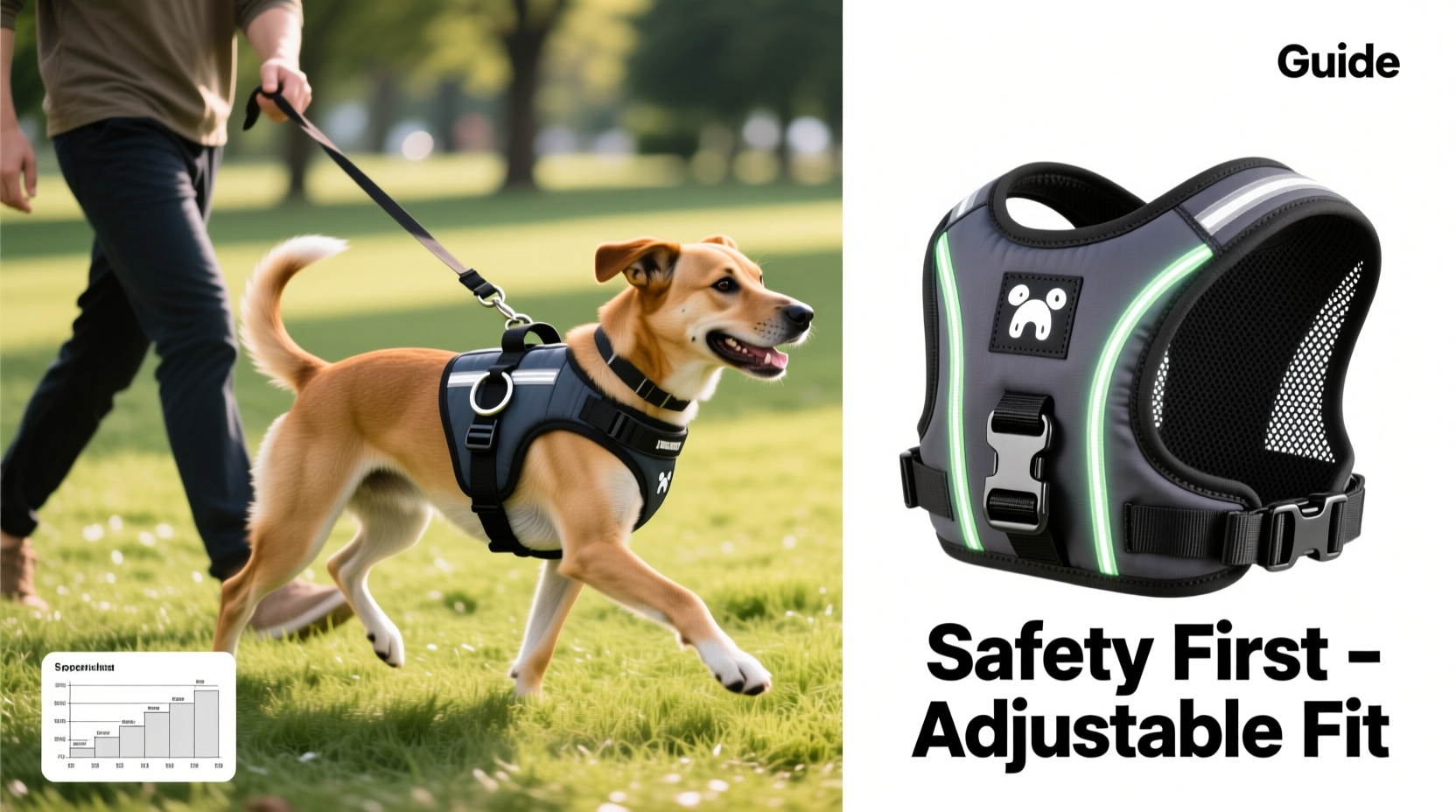
A dog walking vest differs significantly from a traditional collar or harness. While collars apply pressure directly to the neck—risking tracheal damage during pulls—vests distribute force across the chest and shoulders, offering better control with less physical stress. However, this benefit only holds true when the vest fits correctly. An oversized vest can slip, restrict movement, or allow escape, while one that’s too tight may chafe, limit breathing, or cause overheating.
Veterinarian Dr. Lena Torres emphasizes:
“A properly fitted walking vest supports natural gait and prevents long-term musculoskeletal issues, especially in dogs prone to pulling or those with pre-existing joint conditions.”
Beyond health, fit affects behavior. Dogs in ill-fitting gear may resist walks due to discomfort, leading to leash reactivity or reluctance to move forward. The right vest should feel like a second skin—present but unobtrusive.
Step-by-Step Guide to Measuring Your Dog Accurately
Manufacturers use varying sizing charts, so relying on breed or weight alone is risky. Always measure your dog personally. Follow this five-step process:
- Use a soft measuring tape – Avoid rigid rulers. Cloth or flexible tape ensures accurate contouring around your dog’s body.
- Measure the girth (chest) – Wrap the tape snugly behind the front legs, around the widest part of the chest. This is the most critical measurement. Ensure two fingers fit comfortably between the tape and dog.
- Check the neck circumference – Measure where the collar normally sits. Important for vests with neck openings.
- Assess length from base of neck to tail – Helps determine coverage and whether the vest will interfere with rear leg movement.
- Note shoulder height – Especially relevant for tall or deep-chested breeds like Greyhounds or Boxers.
Key Features to Evaluate Beyond Size
Once you’ve confirmed the correct dimensions, assess the vest’s design and materials. Size alone doesn’t guarantee comfort or safety.
Material and Breathability
Look for lightweight, breathable fabrics like mesh or neoprene blends. Avoid thick nylon unless designed for cold-weather use. Mesh panels enhance airflow, crucial for brachycephalic breeds (e.g., Pugs, Bulldogs) prone to overheating.
Adjustability and Closure System
Vests with multiple adjustment points (chest, neck, belly straps) accommodate body variations better than single-strap models. Buckles should be secure yet easy to fasten—one-handed clips are ideal for handlers managing leashes simultaneously.
Handle Placement and Strength
Many vests include a reinforced handle over the shoulders. This is useful for lifting small dogs or regaining control in emergencies. Ensure the handle is stitched with bar-tacking or double-stitching for durability.
Visibility and Safety Add-Ons
For early morning or evening walks, reflective strips or LED light attachments increase visibility. Choose vests with 360-degree reflectivity, not just front/back strips.
Fitting Checklist: What to Check Before Every Walk
Even the best vest can shift during activity. Use this quick checklist before heading out:
- Can you fit two fingers comfortably under all straps?
- Is the belly strap centered and not riding up into armpits?
- Does the chest panel sit flat without wrinkling or gaping?
- Are all buckles securely fastened and facing outward to prevent chafing?
- Is the leash attachment ring positioned at the back (or front for no-pull control)?
- Can your dog move freely—sit, lie down, trot—without restriction?
Size Comparison Table: Breed Examples and Sizing Guidelines
| Breed Example | Typical Weight Range | Girth (inches) | Recommended Vest Size | Special Considerations |
|---|---|---|---|---|
| Chihuahua | 3–6 lbs | 10–14\" | XS | Narrow chest; look for padded neck support |
| Beagle | 20–25 lbs | 20–24\" | S | Broad shoulders; adjustable chest straps essential |
| Labrador Retriever | 65–80 lbs | 30–36\" | L | Deep chest; ensure girth covers widest point |
| Greyhound | 60–70 lbs | 28–32\" | M/L (torso-specific) | Narrow chest, long back; consider racing-style vests |
| Bulldog | 40–50 lbs | 24–28\" | M | Brachycephalic; prioritize ventilation and loose fit under arms |
Real-World Example: How One Owner Avoided a Walking Disaster
Sarah, a Boston resident, bought a medium-sized vest online for her rescue Border Collie, Max. Though the weight matched the chart, the vest kept slipping sideways during walks. After consulting a trainer, she realized the girth was 2 inches too large, and the belly strap lacked rear adjustment. Max was overheating and resisting walks due to friction behind his front legs.
She switched to a performance-fit vest with four-point adjustability, remeasured carefully, and selected a size based on Max’s actual 28-inch girth. The new fit stayed stable during runs, allowed full range of motion, and included breathable mesh. Within days, Max’s enthusiasm for walks returned—and Sarah avoided potential skin irritation or joint strain from prolonged misalignment.
Frequently Asked Questions
How do I know if the vest is too tight?
If you can’t fit two fingers under any strap, or if your dog lifts a paw, shakes excessively, or pants abnormally after putting it on, the vest is likely too tight. Red marks or hair loss after removal are clear signs of excessive pressure.
Can I use a human tape measure for my dog?
Yes, as long as it’s flexible. Sewing tapes work best. Avoid metal tapes—they’re stiff and can startle or injure your dog if they snap.
Should the vest cover the shoulders or sit behind them?
The main body of the vest should sit behind the shoulders, allowing full arm movement. Straps may cross over the upper shoulders, but the fabric shouldn’t restrict the scapula. Look for ergonomic cutouts or stretch panels in high-mobility zones.
Final Recommendations for Long-Term Comfort and Safety
Selecting the perfect dog walking vest goes beyond matching a number on a chart. It requires attention to anatomy, material quality, and real-world performance. Always prioritize adjustability over fixed sizes, and re-evaluate fit every few months—especially for puppies, senior dogs, or pets undergoing weight changes.
Invest in a vest that supports both you and your dog: one with a secure handle, reflective detailing, and a design that respects canine biomechanics. Remember, the goal isn’t just control—it’s ensuring every walk strengthens your bond, not your dog’s discomfort.
🚀 Take action today: Grab a soft tape measure, reassess your dog’s current vest fit, and compare it to manufacturer specs. A five-minute check could prevent hours of discomfort—and make every walk safer, easier, and more enjoyable for both of you.








