Trimming the fur around your dog’s paws is more than just a grooming detail—it’s a crucial part of their comfort, hygiene, and mobility. Excess hair between paw pads can trap moisture, collect debris, lead to painful matting, and even cause your dog to slip on smooth surfaces. While many pet owners attempt this at home, improper technique can result in nicks, discomfort, or infection. With the right tools, timing, and approach, you can maintain your dog’s paw health safely and effectively.
Why Paw Pad and Fur Trimming Matters
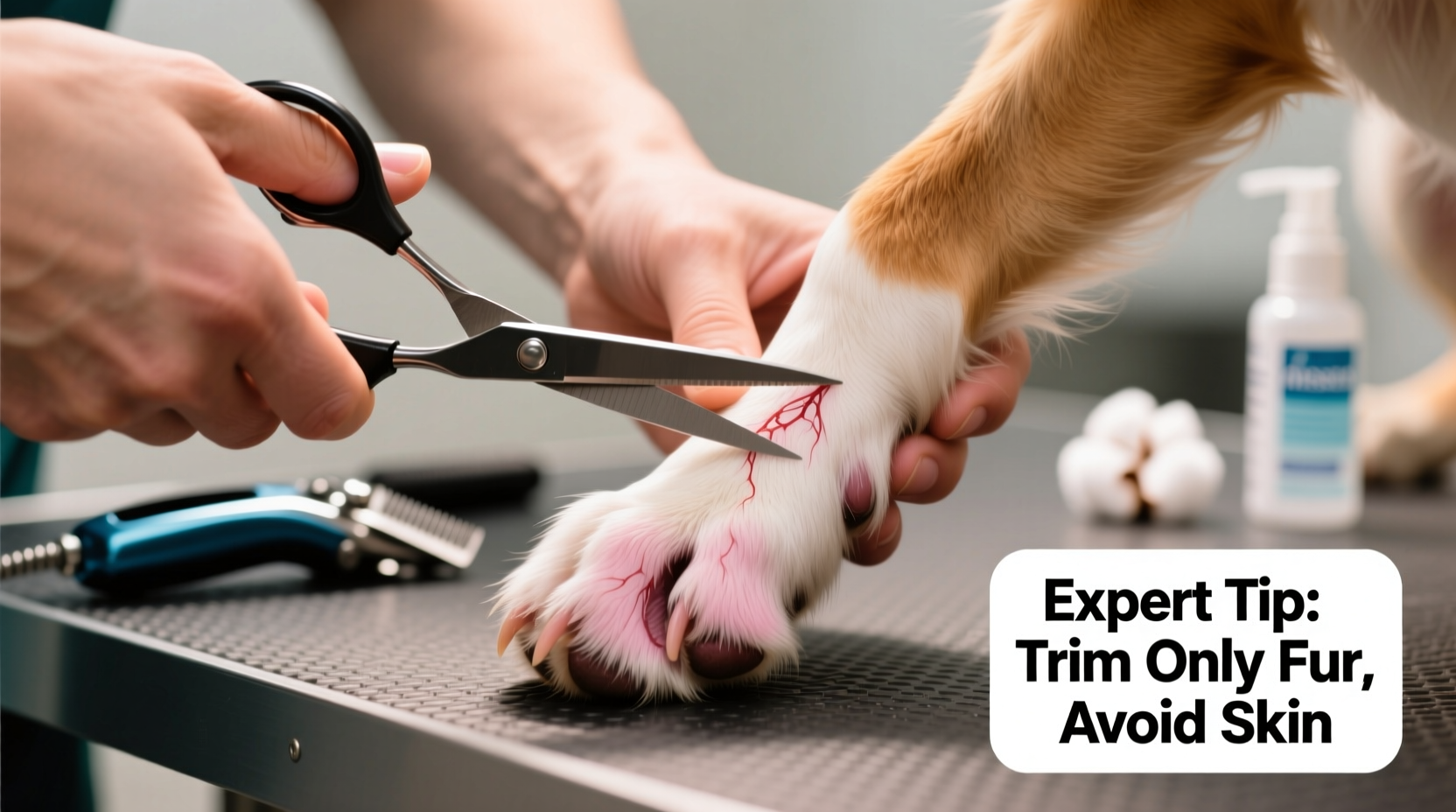
Dogs with long or thick coats—such as Poodles, Shih Tzus, Bichon Frises, and Lhasa Apsos—are especially prone to excessive fur growth between their toes. This buildup doesn’t just look unkempt; it creates real health risks:
- Mats and tangles can pull on the skin and cause irritation.
- Moisture retention fosters bacterial or fungal infections.
- Debris accumulation like dirt, ice, or foxtails can embed in the fur.
- Reduced traction increases slipping on hardwood or tile floors.
Regular maintenance prevents these issues and supports overall foot health. According to Dr. Linda Harper, a veterinary dermatologist with over 20 years of experience, “Keeping the interdigital spaces clean and trimmed is one of the most overlooked yet impactful aspects of canine care.”
“Between the pads is a warm, moist environment—perfect for bacteria. Trimming the hair reduces that risk significantly.” — Dr. Linda Harper, DVM, Veterinary Dermatology Specialist
Essential Tools for Safe Trimming
Using the correct equipment minimizes stress and maximizes precision. Never use household scissors with pointed tips—they’re too dangerous near sensitive areas.
| Tool | Purpose | Recommended Type |
|---|---|---|
| Blunt-tipped scissors | Cutting longer fur around paw edges | 5–6 inch with safety tip |
| Thinning shears | Softening dense fur without harsh lines | 30–40% thinning blades |
| Cordless pet clipper | Close trimming between pads | Quiet, low-vibration model (e.g., Andis ProClip) |
| Curved clippers or small trimmer head | Navigating tight spaces between toes | Size #30 or #40 blade |
| Styptic powder | Stopping bleeding if a quick is nicked | Kwik-Stop or equivalent |
Step-by-Step Guide to Trimming Paw Fur Safely
Follow this sequence to ensure a calm, controlled, and effective grooming session:
- Choose the right time. Wait until your dog is relaxed—after a walk or play session works best. Avoid attempting paw trims when your dog is anxious or distracted.
- Examine each paw. Gently press the pads to check for redness, swelling, cracked skin, or embedded objects. If any issues are present, skip trimming and consult your vet.
- Brush out the fur. Use a slicker brush or comb to detangle the hair between the toes. Mats should be gently worked out before cutting.
- Trim outer fur with blunt scissors. Cut excess length around the edge of the paw pad, keeping the blade parallel to the foot. Aim for a rounded, natural shape.
- Use clippers between the pads. Turn on the clippers away from your dog to let them hear the sound. Slowly glide the trimmer between each toe, lifting fur with your fingers to avoid direct contact with skin.
- Check for missed spots. Rotate the paw and inspect from multiple angles. Trim only what’s necessary—over-trimming can cause chafing.
- Reward and release. Offer praise and a treat after each paw. Keep sessions short, especially for beginners.
Common Mistakes to Avoid
Even well-intentioned grooming can go wrong. These pitfalls compromise safety and comfort:
- Using sharp scissors near pads – Increases risk of punctures or slips.
- Forcing a struggling dog – Can create lasting fear of grooming.
- Clipping too close to the skin – May cause razor burn or ingrown hairs.
- Skipping blade cleaning – Dirty blades pull hair and increase infection risk.
- Ignoring signs of pain – Limping, licking, or flinching means stop immediately.
“Never rush the process. If your dog resists, take a break. A stressed dog is more likely to get injured.” — Maria Thompson, Certified Master Groomer, NDGAA
Real-Life Example: Managing a Rescue Dog’s Overgrown Paws
When Sarah adopted Max, a mixed-breed rescue with matted legs and thick fur between his toes, he was visibly uncomfortable walking on her kitchen floor. The hair had grown so long it formed ice-like balls in winter and collected mud in spring. After consulting her groomer, she began a weekly maintenance routine: brushing between the toes every three days and trimming every four weeks using a cordless trimmer.
Within two months, Max stopped slipping and no longer licked his paws obsessively. His vet confirmed improved skin health between the pads. Sarah’s patience and consistency turned a high-risk grooming challenge into a manageable habit.
Grooming Checklist: Safe Paw Trimming Routine
Use this checklist before and during each session:
- ✅ Dog is calm and not overly tired or excited
- ✅ All tools are clean, charged, and functioning
- ✅ Styptic powder and cotton swabs are within reach
- ✅ Work area is quiet, well-lit, and non-slip
- ✅ Paw pads are free of cuts, swelling, or foreign objects
- ✅ Fur is brushed and detangled
- ✅ Only necessary hair is trimmed—no aggressive shaving
- ✅ Each paw is rewarded with praise or a treat
Frequently Asked Questions
How often should I trim my dog’s paw fur?
Most dogs benefit from trimming every 4 to 6 weeks. Dogs with fast-growing coats or those frequently exposed to wet environments may need it every 3 weeks. Regular inspection helps determine timing.
Can I use human clippers?
No. Human clippers are designed for finer hair and lack the torque needed for dog fur. They also tend to vibrate more, which can scare pets. Pet-specific clippers are quieter, more durable, and safer for close work.
What if I accidentally cut the skin?
Stay calm. Apply gentle pressure with a clean cloth and use styptic powder to stop bleeding. Most minor nicks heal quickly. If bleeding persists beyond 10 minutes or shows signs of infection later, contact your veterinarian.
Final Thoughts: Make Paw Care Part of Your Routine
Healthy paws mean a happier, more mobile dog. Trimming fur around the paw pads isn’t just cosmetic—it’s preventive care that protects against injury, infection, and discomfort. By investing in the right tools, learning proper technique, and approaching each session with patience, you give your dog the gift of better footing and fewer vet visits.
💬 Have a tip or story about grooming your dog’s paws? Share your experience in the comments—your insight could help another pet owner avoid a common mistake!








