A rhinestone studded evening bag is more than an accessory—it’s a statement. Whether it’s embellished with crystal-like faux stones or vintage-inspired glass gems, its brilliance elevates any formal look. But with regular use comes the inevitable: dust, oils from hands, makeup transfer, and environmental grime. Cleaning it improperly can lead to dulling, loosened stones, or even fabric damage. The good news? With the right techniques, you can maintain its sparkle without stepping into a professional cleaner’s studio.
Understanding Your Bag’s Materials
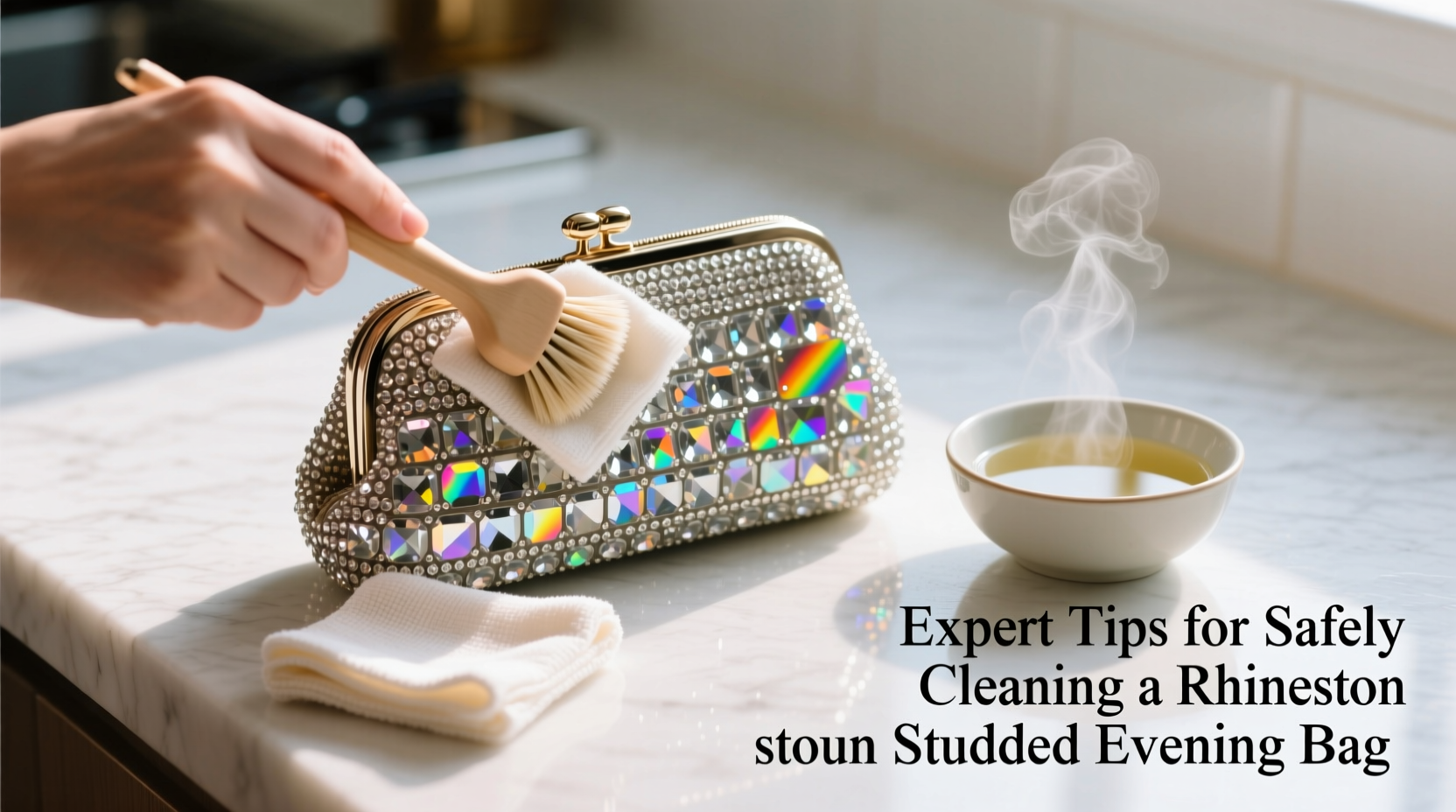
Before reaching for water or wipes, identify what your bag is made of. Rhinestone bags come in various base materials—satin, velvet, leather, synthetic fabrics, or mesh—and each reacts differently to moisture and pressure. The adhesive used to set the rhinestones also varies. Some are glued; others are prong-set. Glued stones are especially vulnerable to solvents and prolonged dampness.
Fabric-backed rhinestones on delicate textiles like silk or velvet require gentler handling than those on structured faux leather. If your bag has lining, check whether it’s prone to bleeding or shrinking when exposed to moisture. A quick label scan (if present) or manufacturer’s website may offer care instructions.
“Many people ruin their embellished bags by assuming they clean like regular handbags. The stones aren’t the issue—it’s the bond and fabric underneath.” — Lila Monroe, Textile Restoration SpecialistTip: Always test any cleaning method on a small, inconspicuous area first—like the bottom edge or inside flap.
Step-by-Step Guide to Safe Home Cleaning
Cleaning a rhinestone-studded bag isn’t about scrubbing; it’s about precision and patience. Follow this timeline to restore shine without risking damage.
- Dry Dusting (5–10 minutes): Use a soft-bristled makeup brush or microfiber cloth to gently sweep away surface dust. Work in one direction across the stones to prevent snagging. Pay attention to crevices where debris collects.
- Spot Treatment (10–15 minutes): For smudges or makeup stains, dampen a corner of a microfiber cloth with distilled water. Lightly dab—never rub—the affected area. For tougher spots, mix one drop of mild dish soap (phosphate-free) with two tablespoons of water. Dip the cloth tip, wring thoroughly, and blot gently.
- Stone Refresh (Optional, 5 minutes): To revive dull rhinestones, breathe lightly on one stone to create condensation. Wipe immediately with a dry microfiber cloth. This removes microscopic film without liquid exposure.
- Drying (30+ minutes): Lay the bag flat in a well-ventilated room, away from direct sunlight or heat sources. Never use a hairdryer or place near radiators—heat weakens adhesive.
- Final Inspection: Once dry, examine the stones for looseness and the fabric for water marks. Address issues before storage.
Do’s and Don’ts: Care Table
| Do’s | Don’ts |
|---|---|
| Use distilled water to avoid mineral deposits on stones | Soak the bag or submerge any part of it |
| Clean in short sessions with breaks between steps | Use alcohol, acetone, or window cleaners |
| Store upright with tissue paper to maintain shape | Place under heavy objects that could crush stones |
| Brush stones weekly to prevent dust buildup | Rub stained areas aggressively |
| Use a lint roller gently on fabric areas (avoid stones) | Machine wash or dry-clean unless explicitly labeled safe |
Real Example: A Near-Miss at a Charity Gala
Sophie, a frequent attendee of evening events in Chicago, once wore her favorite navy velvet clutch with silver rhinestones to a charity gala. Midway through dinner, red wine splashed onto the front panel. Panicked, she wiped it with a wet napkin from the table—only to notice faint discoloration the next morning.
She researched safe methods and decided to try the microfiber-and-distilled-water technique. Using a cotton swab dipped lightly in soapy water, she dabbed around the stain for two minutes, then blotted dry. After 45 minutes of air drying, the mark was gone, and none of the stones had shifted. “I learned that slow, careful work beats panic-cleaning every time,” she said later in an online fashion forum.
When to Skip Home Cleaning
Not every situation calls for DIY. Avoid home treatment if:
- The bag has deep stains involving oil, ink, or perfume residue.
- You notice multiple loose or wobbly stones.
- The fabric feels brittle or shows signs of mold.
- The bag is vintage or high-value (e.g., designer or heirloom).
In these cases, consult a textile conservator or specialty handbag cleaner. Professionals use ultrasonic cleaners for non-porous stones and steam-vacuum systems that lift dirt without wetting adhesives.
Tip: Keep a small travel-sized makeup brush in your closet just for bag maintenance—it’s perfect for quick dust removal.Preventative Maintenance Checklist
Preserving your bag starts long after the event ends. Use this checklist monthly:
- ✅ Gently brush rhinestones with a clean, dry toothbrush or makeup brush
- ✅ Inspect for loose stones—press lightly to test stability
- ✅ Wipe hardware (clasp, chain) with a jewelry polishing cloth
- ✅ Air out the interior by opening the bag for 10 minutes
- ✅ Rotate usage—don’t wear the same embellished bag two nights in a row
- ✅ Store in a breathable cotton pouch, not plastic
FAQ: Common Concerns About Rhinestone Bag Care
Can I use nail polish remover to clean cloudy rhinestones?
No. Nail polish remover contains acetone, which dissolves many adhesives and damages fabric coatings. It may make stones temporarily shiny but risks permanent detachment. Stick to water-based methods only.
What should I do if a rhinestone falls off?
Save the stone and place it in a small sealed bag. Bring it to a shoe or handbag repair specialist who works with embellishments. They can match the adhesive and reattach it seamlessly. Do not attempt glue repairs at home unless experienced—excess glue creates visible residue.
How often should I deep clean my rhinestone bag?
Only when visibly soiled or after major spills. Over-cleaning increases wear. Light dusting once a week and spot cleaning as needed are sufficient. A full cleaning every 4–6 months is ideal for regularly used bags.
Conclusion: Shine Starts with Smart Care
Your rhinestone studded evening bag deserves more than occasional admiration—it needs consistent, thoughtful care. By understanding its construction, using gentle techniques, and avoiding common pitfalls, you preserve not just its appearance but its longevity. These bags often carry memories: a wedding, a milestone birthday, a night out with friends. Protecting them ensures they’ll be ready for future moments worth celebrating.
💬 Have a favorite trick for keeping your evening bag sparkling? Share your go-to method in the comments and help others enjoy their glamorous accessories with confidence!








