Cleaning your carpet isn’t just about appearances—it’s essential for maintaining indoor air quality, reducing allergens, and prolonging the lifespan of your flooring investment. While professional cleaning services deliver excellent results, regular maintenance between visits can be handled at home with the right tools and techniques. When done improperly, however, carpet shampooing can lead to overwetting, mold growth, or fiber damage. This guide reveals proven strategies used by cleaning professionals to achieve deep, safe, and lasting results using household equipment.
Why Proper Carpet Shampooing Matters
Carpets trap dust, pet dander, spills, and bacteria far more than most people realize. Over time, these contaminants break down fibers and create lingering odors. Regular vacuuming removes surface debris but doesn’t address deeply embedded grime. That’s where shampooing comes in—when performed correctly, it lifts dirt from the base of carpet fibers and refreshes the entire surface.
However, improper shampooing is one of the leading causes of premature carpet wear. Too much moisture can saturate padding beneath the carpet, creating an ideal environment for mildew. Using harsh detergents may leave behind sticky residues that attract new dirt faster than before. Understanding the balance between thoroughness and safety separates effective cleaning from costly mistakes.
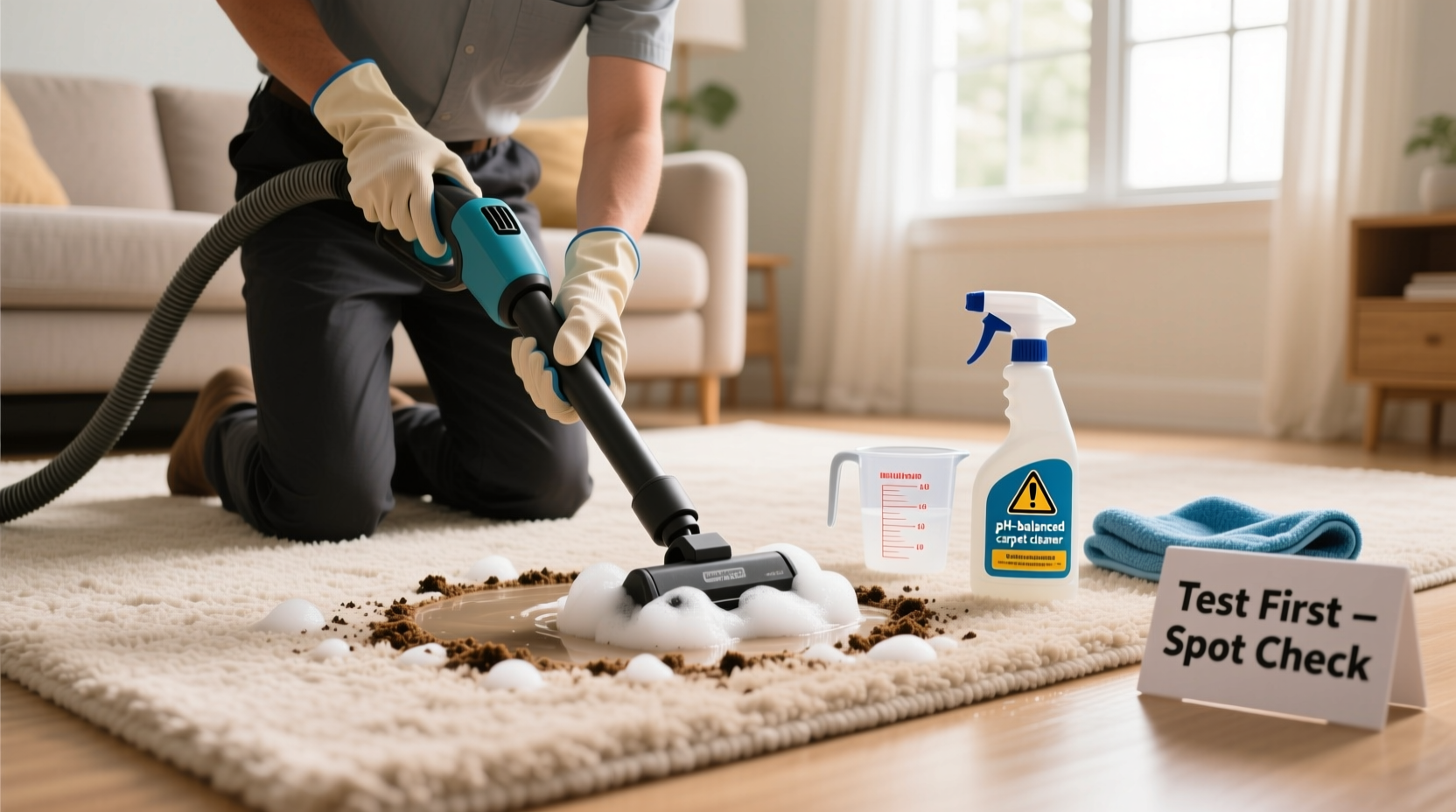
Tip: Always test any cleaning solution on a hidden corner of your carpet first to check for discoloration or texture changes.The Right Tools and Products for Home Shampooing
Not all carpet cleaners are created equal. Choosing the correct machine and cleaning agents makes a significant difference in both performance and safety. Here’s what you need:
- Carpet extractor (shampooer): Machines like those from Bissell or Hoover use warm water extraction—a method recommended by carpet manufacturers including Shaw and Mohawk.
- pH-balanced carpet shampoo: Avoid generic soaps; opt for formulas specifically designed for your carpet type (wool, synthetic, stain-resistant).
- Micron-rated vacuum cleaner: Use before and after shampooing to prevent soil re-deposition.
- Soft-bristle brush or upholstery tool: For agitating high-traffic areas without damaging fibers.
- Fans or dehumidifier: To accelerate drying and prevent microbial growth.
“Warm water extraction removes up to 95% of dirt and allergens when done correctly. But timing and technique matter just as much as the machine.” — Linda Ruiz, Certified Textile Care Specialist, IICRC
Step-by-Step Guide: How to Shampoo Your Carpet Safely and Effectively
Follow this detailed sequence to clean your carpet thoroughly while minimizing risks:
- Vacuum thoroughly: Remove loose debris. Skipping this step forces dirt into a muddy paste during shampooing.
- Treat stains first: Apply spot cleaner directly to visible spots (e.g., wine, pet accidents). Let sit per product instructions, then blot—do not rub.
- Dilute shampoo properly: Follow manufacturer ratios. Over-concentrating leaves residue that attracts dirt.
- Fill the machine: Use warm (not hot) water mixed with the appropriate amount of shampoo.
- Start cleaning in sections: Work in 3x3 foot zones. Move slowly—rushing reduces suction efficiency and moisture control.
- Use forward-and-back motion: Push the trigger to spray, pull back without spraying to extract. Repeat once per section.
- Empty and refill as needed: Dirty recovery water loses effectiveness. Empty the tank before it fills completely.
- Rinse pass (optional but recommended): Run a final cycle with clean water only to flush out detergent traces.
- Dry completely: Open windows, use fans, or run a dehumidifier. Full drying should take 6–12 hours. Never walk barefoot or replace furniture until fully dry.
Do’s and Don’ts of Carpet Shampooing
| Do’s | Don’ts |
|---|---|
| Test cleaning solution on inconspicuous area | Use bleach or ammonia-based cleaners on synthetic carpets |
| Vacuum before shampooing | Over-wet the carpet—saturation leads to mold |
| Allow 24 hours before heavy foot traffic | Walk on damp carpet with street shoes |
| Change filters and clean brushes regularly | Ignore manufacturer care labels on carpet or furniture |
| Use distilled white vinegar rinse for odor removal | Apply excessive scrubbing pressure |
Avoiding Common Mistakes: A Real-Life Example
Sarah from Portland rented a popular carpet shampooer to freshen her living room after moving out a long-haired dog. She filled the tank with double the recommended shampoo, thinking “more bubbles mean cleaner.” Within days, her carpet started feeling sticky and attracting more dirt. Two weeks later, a musty smell developed near the baseboards.
An inspection revealed over-saturation and detergent buildup. The padding underneath had retained moisture due to poor ventilation, fostering mildew growth. After professional drying and a corrective rinse, Sarah learned that less is more: proper dilution, slower passes, and adequate airflow would have prevented the issue entirely.
This case underscores a key principle: aggressive cleaning doesn’t equate to better results. Precision and patience do.
Checklist: Pre-Shampoo Preparation
- ☐ Remove small objects and lift area rugs
- ☐ Vacuum entire carpet surface
- ☐ Identify carpet material (nylon, polyester, wool)
- ☐ Check manufacturer’s cleaning recommendations
- ☐ Spot-treat visible stains
- ☐ Ensure good ventilation in the room
- ☰ Test cleaning solution on hidden area
- ☐ Clear pathways for machine movement
Frequently Asked Questions
How often should I shampoo my carpet?
For most households, deep shampooing every 12–18 months is sufficient. High-traffic homes, pet owners, or allergy sufferers may benefit from cleaning every 6–12 months. Frequent shampooing without proper drying increases wear risk, so prioritize regular vacuuming in between.
Can I make my own carpet shampoo?
You can, but with caution. A common DIY mix includes 1 cup warm water, 1/4 cup white vinegar, and a few drops of dish soap. However, even mild soaps can leave residues. For best results, use commercially tested, pH-neutral products labeled safe for your carpet type. Wool carpets require enzyme-based cleaners only—never use vinegar on wool.
Is steam cleaning the same as shampooing?
No. True steam cleaning uses high-temperature vapor to sanitize without chemicals and is typically done professionally. What many call “steam cleaning” at home is actually hot water extraction—essentially machine-assisted shampooing. These machines are effective but don’t reach sanitizing temperatures unless specifically designed to.
Final Thoughts and Action Steps
Cleaning your carpet at home doesn’t have to be risky or ineffective. With the right knowledge, tools, and attention to detail, you can achieve results that rival professional service—at a fraction of the cost. The key lies in preparation, moderation, and post-cleaning care. From testing solutions to ensuring full drying, each step plays a role in preserving your carpet’s appearance and structural integrity.
Take action today: schedule a deep clean using the steps outlined here, follow the do’s and don’ts, and keep your home healthier and fresher. Your carpet supports every step you take—give it the care it deserves.
💬 Have a carpet care tip that worked wonders for you? Share your experience in the comments and help others maintain their floors safely and effectively!








