
Sometimes, a single footwear choice can define an entire look. Snake skin boots have long occupied that space—bold enough to make a statement, timeless enough to endure trends. Whether you're dressing up a pair of jeans or adding edge to a tailored coat, these boots blend wild elegance with rugged individuality. But not all snake skin boots are created equal. Beyond the striking pattern lies a world of craftsmanship, material sourcing, and fit considerations that determine whether your boots elevate your wardrobe—or end up collecting dust.
Finding the right pair means balancing aesthetic appeal with practical durability and comfort. This guide cuts through the noise to help you identify high-quality snake skin boots, understand their construction, and choose a pair that lasts for years without sacrificing style.
Understanding Snake Skin: Real vs. Faux
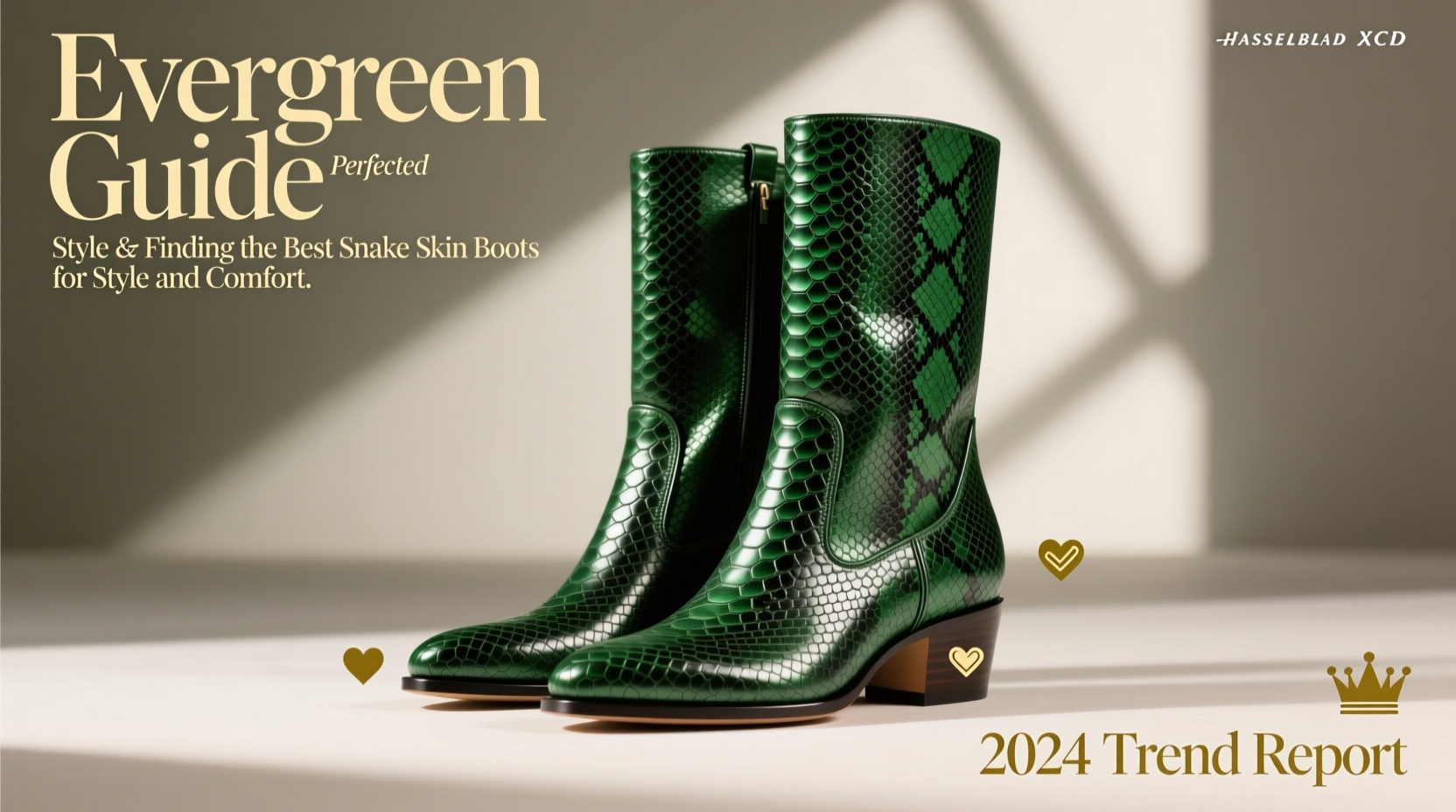
The first decision you’ll face is authenticity. Genuine snake skin comes from exotics like python, anaconda, or boa constrictor, typically sourced as a byproduct of the food industry in regions where these animals are consumed. Ethical suppliers ensure traceability and compliance with CITES (Convention on International Trade in Endangered Species), which regulates the trade of protected wildlife.
Faux snake skin, meanwhile, has advanced significantly. Modern polyurethane and embossed leather alternatives offer convincing textures at lower prices and without ethical concerns. However, they often lack the breathability, flexibility, and aging qualities of real reptile skin.
Tip: Look for \"CITES-certified\" labeling when buying genuine snake skin to ensure legal and responsible sourcing.Key Differences at a Glance
| Feature | Genuine Snake Skin | Faux Snake Skin |
|---|---|---|
| Durability | High – ages beautifully with care | Moderate – prone to peeling over time |
| Breathability | Excellent – natural pores allow airflow | Poor – synthetic layers trap moisture |
| Price Range | $300–$1,200+ | $80–$250 |
| Ethical Considerations | Varies – depends on sourcing | Animal-friendly |
| Maintenance | Regular conditioning needed | Wipe clean; minimal upkeep |
What to Look for in Construction and Fit
A visually stunning boot can still fail if the foundation is weak. The upper—the visible snake skin portion—is only one component. Equally important are the insole, midsole, heel counter, and stitching.
Well-made snake skin boots use full-grain leather lining for moisture absorption and breathability. Avoid those with synthetic linings, which increase sweat buildup and discomfort during extended wear. A cushioned insole made from memory foam or cork offers arch support and molds to your foot over time.
Check the sole. Rubber outsoles provide better traction and shock absorption than leather, especially in wet conditions. If the boot uses Goodyear welt construction—where the upper, insole, and welt are stitched separately from the outsole—it can be resoled multiple times, extending its life significantly.
“Fit is everything with exotic skins. They don’t stretch like calf leather, so precision in sizing is non-negotiable.” — Marcus Tran, Bespoke Footwear Designer
Step-by-Step Guide to Finding Your Perfect Fit
- Measure your feet at the end of the day when they’re slightly swollen for accuracy.
- Know your brand’s sizing: Some run narrow (e.g., Italian brands), others wide (e.g., certain American makers).
- Try boots on with the socks you intend to wear regularly.
- Walk around for at least five minutes. Pay attention to heel slippage, toe pressure, and arch support.
- Inspect flexibility: The boot should bend at the ball of the foot, not in the middle.
Style Versatility: How to Wear Snake Skin Boots
Despite their bold appearance, snake skin boots can be surprisingly versatile. The key is balancing proportion and tone.
For a modern minimalist look, pair neutral-toned snake boots—like matte brown or charcoal—with slim black trousers and an oversized wool coat. The pattern adds subtle texture without overwhelming the outfit. In contrast, high-gloss python boots in caramel or black work well with distressed denim and a leather jacket for a rock-inspired ensemble.
Avoid clashing patterns. If your boots feature strong scale definition, keep the rest of your outfit monochromatic or textured in solids. Likewise, limit other accessories made from exotic skins to prevent visual clutter.
Tip: Choose boots with toned-down finishes (matte or oil-pulled) for easier integration into daily wear.Mini Case Study: From Office to Evening Out
Jamie, a creative director in Austin, wanted to incorporate snake skin boots into her weekday rotation. She selected a pair of CITES-certified python ankle boots in dark taupe with a low block heel and rubber sole. The matte finish reduced shine, making them office-appropriate when paired with tailored wool pants and a camel turtleneck.
After work, she swapped the blazer for a suede moto jacket and added silver jewelry, transforming the same boots into evening wear. By focusing on cut, color coordination, and finish, Jamie maximized versatility without compromising professionalism.
Care and Longevity: Preserving Your Investment
Saving money in the short term with poorly made boots leads to higher costs down the line. Well-cared-for snake skin footwear can last a decade or more. But because reptile skin is thinner and more delicate than cowhide, it demands specialized attention.
After each wear, use a soft-bristle brush to remove surface dust. Once a month, apply a conditioner designed specifically for exotic leathers—never use products meant for smooth calfskin, as they may clog pores or alter texture. Store boots upright with cedar shoe trees to maintain shape and absorb moisture.
- Never expose snake skin boots to direct heat or sunlight for prolonged periods.
- Use a water-resistant spray formulated for exotics—but test on a small area first.
- If scuffs appear, consult a professional reptile leather specialist rather than attempting DIY repairs.
Do’s and Don’ts of Snake Skin Boot Care
| Action | Do | Don't |
|---|---|---|
| Cleaning | Use a microfiber cloth and pH-balanced cleaner | Use alcohol-based wipes or household cleaners |
| Storage | In breathable cotton bags with shoe trees | In plastic containers or damp areas |
| Conditioning | Every 4–6 weeks with exotic-specific balm | Over-condition; this can soften scales excessively |
| Water Protection | Light application of exotic-safe protector | Heavy sprays that alter sheen or texture |
FAQ
Are snake skin boots comfortable for walking?
Yes—if constructed with proper support. Look for padded insoles, flexible soles, and ergonomic lasts. Full snake skin boots tend to be stiffer initially but conform over time. Ankle-height styles are generally more walkable than knee-high versions unless reinforced with elastic panels.
Can I wear snake skin boots in the rain?
Occasional light exposure is acceptable with proper protection, but avoid heavy rain. Water can cause genuine snake skin to stiffen, crack, or discolor. Always dry naturally away from heat sources and recondition afterward.
How do I know if a brand is ethical?
Reputable brands disclose their sourcing and provide CITES documentation upon request. Avoid sellers who cannot verify origin or use vague terms like “exotic animal skin” without specifics. Third-party certifications from organizations like the Responsible Reptile Sourcing Initiative (RRSI) are also strong indicators.
Conclusion
Finding the best snake skin boots isn’t just about catching eyes—it’s about investing in craftsmanship, comfort, and conscious consumption. Whether you opt for ethically sourced python or a hyper-realistic faux alternative, prioritize fit, construction, and maintenance to get the most from your purchase.
🚀 Ready to upgrade your footwear game? Start by measuring your feet, researching reputable brands, and trying on different finishes. Share your favorite pair or styling tip in the comments below—your insight could help someone else find their perfect match.








