
Winter brings beauty, but it also poses real risks to our canine companions. While some dogs are built for snow and ice, many lack the natural insulation to handle freezing temperatures and biting winds. Exposure to harsh winter conditions can lead to hypothermia, frostbite, dry skin, and respiratory issues. As a responsible pet owner, understanding how to protect your dog during the coldest months isn’t just helpful—it’s essential. From breed-specific vulnerabilities to smart gear choices and behavioral cues, this guide delivers actionable, expert-informed strategies to keep your dog safe, warm, and comfortable all winter long.
Understand Your Dog’s Cold Tolerance
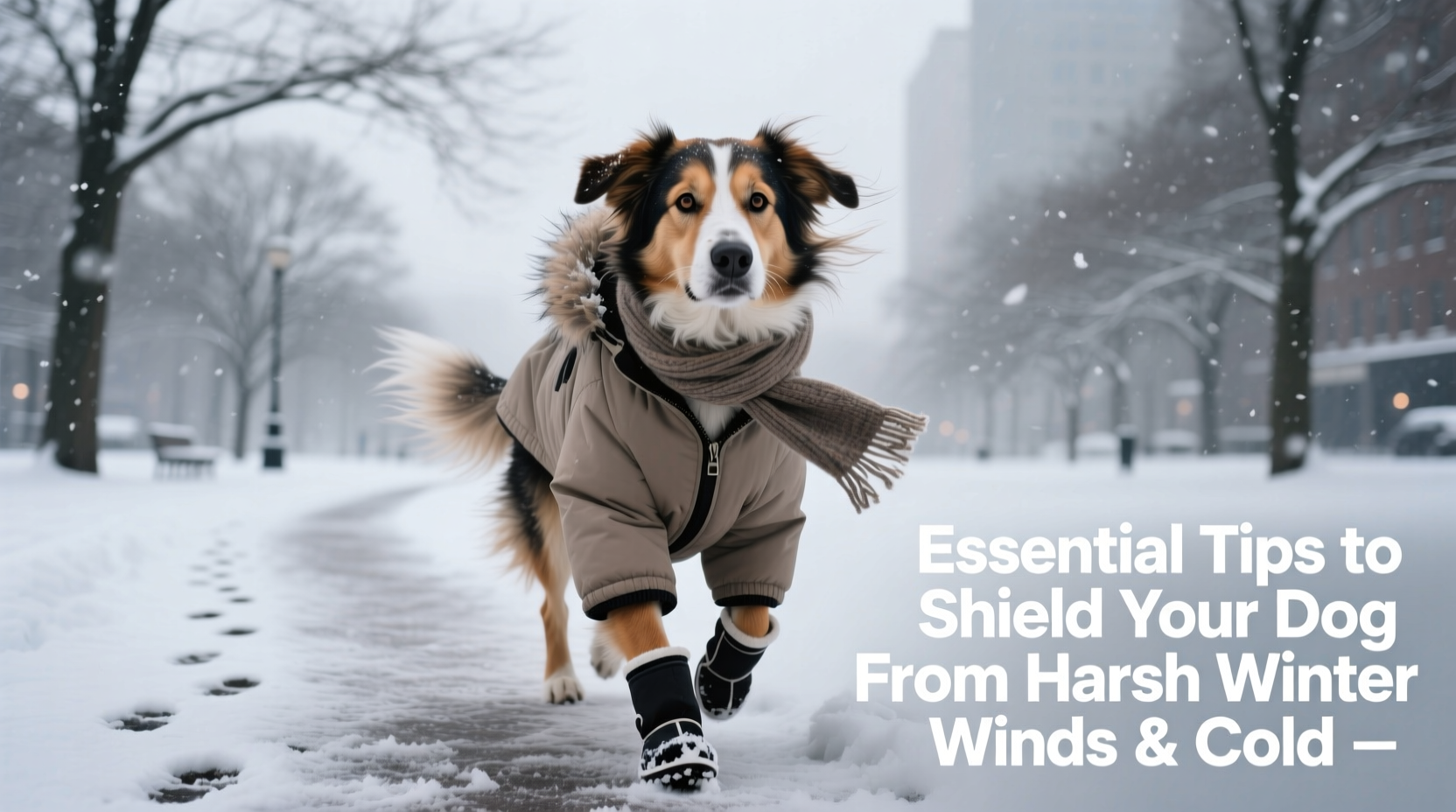
Dogs vary widely in their ability to withstand cold weather. Factors like breed, size, coat type, age, and overall health play crucial roles in determining how well your pet copes with winter conditions. For example, Siberian Huskies and Saint Bernards thrive in snow thanks to thick double coats and robust builds. In contrast, small breeds like Chihuahuas or hairless dogs such as Chinese Cresteds lose body heat rapidly and are at high risk in cold environments.
Puppies and senior dogs are especially vulnerable due to less efficient thermoregulation. Dogs with medical conditions such as arthritis or heart disease may also struggle when temperatures drop. It’s not just about shivering—subtle signs like lethargy, reluctance to walk, or lifting paws off the ground can indicate discomfort.
Tip: If you feel cold in your sweater, your dog likely feels colder—especially if they’re small, short-haired, or elderly.Recognizing Early Signs of Cold Stress
Watch for these symptoms that suggest your dog is too cold:
- Shivering or trembling
- Whining or anxious behavior
- Lifting paws frequently (indicating pain from cold surfaces)
- Slowed movements or stiffness
- Seeking shelter or trying to go indoors
If these behaviors occur, bring your dog inside immediately and gradually warm them using blankets—not direct heat sources like heaters or hot water bottles, which can cause burns.
Invest in Proper Winter Gear
Just as humans wear layers in winter, dogs benefit from well-chosen protective clothing. Not every dog needs a coat, but most do when temperatures fall below 45°F (7°C), especially during wind or wet conditions.
A waterproof, insulated dog coat that covers the back and chest offers the best protection against wind chill. Look for features like high necklines, adjustable straps, and belly coverage. Booties are equally important—they shield paw pads from ice, road salt, and chemical deicers, which can cause irritation or poisoning if licked off.
| Dog Type | Recommended Gear | When to Use |
|---|---|---|
| Small or short-haired breeds | Insulated coat + booties | Below 45°F (7°C) |
| Senior or arthritic dogs | Full-body coat + joint support vest | All outdoor exposure |
| Thick-coated breeds | Lightweight windbreaker | Windy or wet days |
| All dogs | Waterproof booties | Snow, ice, or treated roads |
“Even dogs with thick fur can suffer from wind chill. A good coat isn’t coddling—it’s common sense.” — Dr. Lena Torres, DVM, Canine Health Specialist
Create a Warm, Draft-Free Indoor Environment
While outdoor protection is vital, indoor comfort matters just as much. Many pet owners overlook the impact of cold floors, drafts, and inadequate bedding. Tile, concrete, and hardwood floors draw heat away from a dog’s body, increasing the risk of joint pain and discomfort, particularly in older animals.
Elevate your dog’s bed off the floor using a raised cot or thick orthopedic mattress. Place it away from doors, windows, and vents where cold air infiltrates. Adding a fleece liner or heated pad (designed specifically for pets) can make a significant difference, especially at night.
Tip: Test heated beds on low settings and supervise initial use—some dogs may chew cords or overheat.Maintain Skin and Coat Health
Winter air is dry, both outdoors and indoors due to heating systems. This can lead to flaky skin, itching, and dull coats. Bathe your dog only when necessary, using moisturizing, oatmeal-based shampoos. Over-bathing strips natural oils and worsens dryness.
Brush your dog regularly to distribute skin oils and remove dead fur. For long-haired breeds, check often for ice balls forming between toes or under the belly after walks. These can cause discomfort and skin damage if not removed promptly.
Adjust Walks and Outdoor Time Strategically
Timing and duration of outdoor activity should shift with the season. Shorter, more frequent walks are better than one long outing in extreme cold. Schedule walks during the warmest part of the day—typically mid-morning to early afternoon—rather than early morning or late evening.
Avoid letting dogs roam unsupervised in snowy yards. They may seek shelter in dangerous places (like under cars or near exhaust pipes) or become disoriented in heavy snowfall. Always leash your dog in icy conditions to prevent slips and falls on slick surfaces.
Step-by-Step: Preparing for a Winter Walk
- Check the temperature and wind chill index—avoid going out if below 20°F (-6°C) for small or vulnerable dogs.
- Dress your dog in a properly fitted coat and booties.
- Apply pet-safe paw balm to create a moisture barrier.
- Keep walks purposeful and brief in extreme cold.
- Upon return, wipe down paws and belly to remove salt, ice, and chemicals.
- Inspect for cuts, redness, or cracked pads.
- Offer fresh water to discourage licking snow or treated ice.
Real Example: Protecting Max, a Senior Dachshund
Max, a 12-year-old dachshund from upstate New York, began limping during winter walks. His owner, Sarah, initially assumed it was arthritis flare-up. After a vet visit, she learned that prolonged exposure to cold pavement was worsening his joint stiffness and causing paw pad chapping.
The vet recommended a full-body insulated coat, neoprene booties, and shorter midday walks. Sarah also added a heated orthopedic bed indoors and started using a paw balm before each outing. Within two weeks, Max’s mobility improved significantly, and he stopped hesitating at the door.
This case illustrates how simple adjustments can dramatically improve a dog’s winter experience—especially for seniors who can’t regulate temperature as effectively.
Frequently Asked Questions
Can dogs get frostbite?
Yes. Frostbite most commonly affects ears, tail, and paw pads. Signs include pale, gray, or bluish skin, swelling, or blistering. If you suspect frostbite, wrap the area in a warm (not hot) towel and contact your vet immediately.
Is it safe for dogs to eat snow?
Not always. Snow can contain antifreeze, deicing salts, or other toxins. It also lowers body temperature quickly. Discourage snow-eating, especially in urban or treated areas.
Should I trim my dog’s fur in winter?
No. Never shave double-coated breeds like huskies or golden retrievers in winter. Their undercoat provides critical insulation. Trimming is fine for mat prevention, but avoid cutting close to the skin.
Winter Dog Care Checklist
- ✔ Assess your dog’s cold tolerance based on breed, age, and health
- ✔ Purchase a waterproof, insulated coat and durable booties
- ✔ Switch to a draft-free, elevated sleeping area with warm bedding
- ✔ Brush weekly and moisturize skin with pet-safe products
- ✔ Adjust walk times to warmer parts of the day
- ✔ Wipe paws after every outdoor trip to remove salt and ice
- ✔ Monitor for signs of cold stress: shivering, limping, reluctance to move
- ✔ Keep ID tags and microchip info updated in case of winter escape incidents
Stay Proactive, Stay Warm
Protecting your dog from winter’s harshest elements requires awareness, preparation, and consistent care. You don’t need extravagant solutions—just thoughtful habits that prioritize warmth, safety, and comfort. By understanding your dog’s unique needs and taking preventive steps, you ensure they remain healthy, happy, and active throughout the colder months.
💬 Your dog’s winter routine matters. Share your tips or ask questions in the comments—let’s help every pet stay warm and safe this season!








