A pet’s collar is more than just an accessory—it’s a vital piece of gear that supports identification, safety, and control during walks. Yet many pet owners overlook the importance of proper collar fit, material choice, and ongoing maintenance. An ill-fitting or poorly maintained collar can lead to discomfort, skin irritation, or even escape risks. Whether you have a puppy exploring the world for the first time or a senior cat who rarely leaves the porch, ensuring their collar is safe, secure, and comfortable should be a top priority.
Choose the Right Material for Your Pet’s Lifestyle
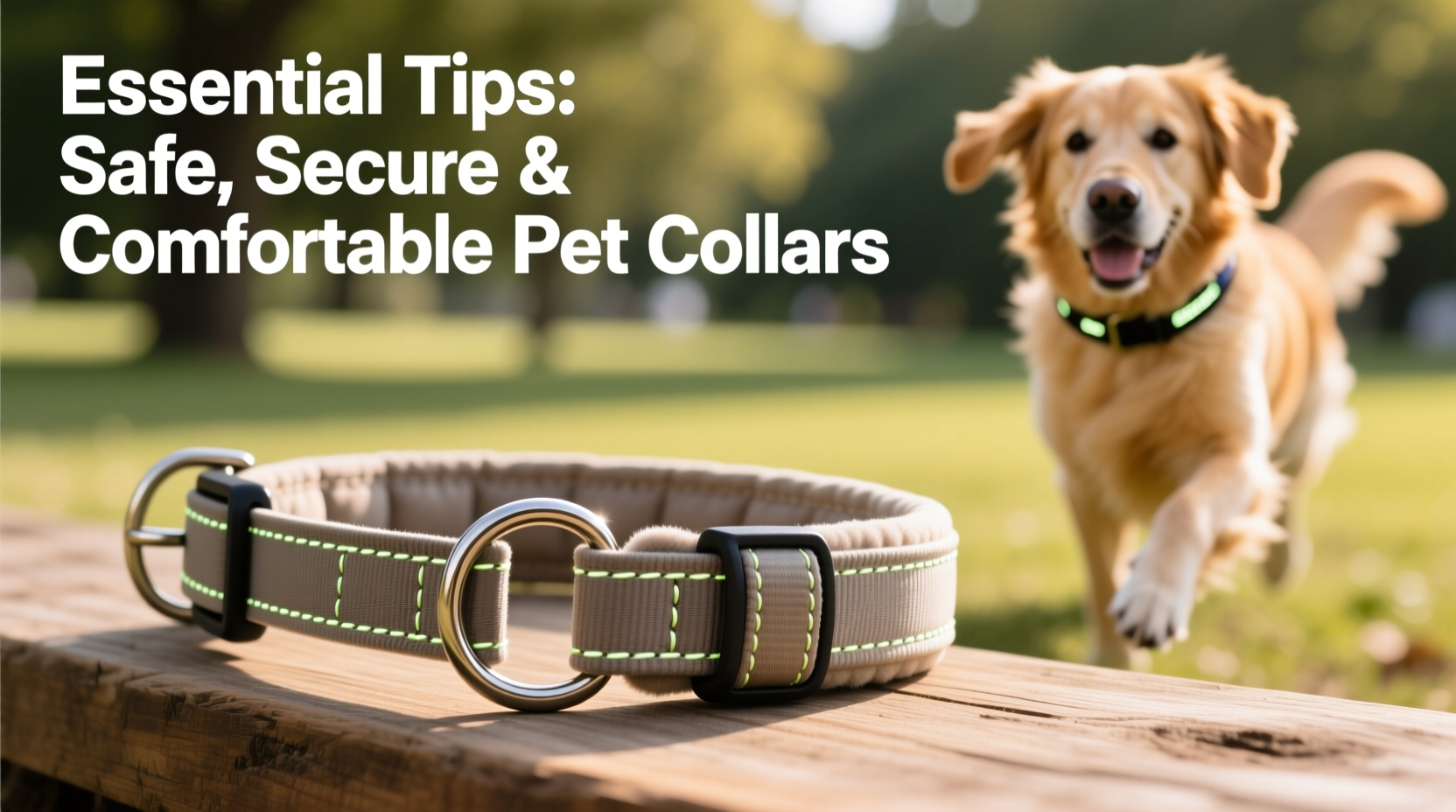
The material of your pet’s collar plays a significant role in both comfort and durability. Different materials suit different needs based on activity level, environment, and skin sensitivity.
| Material | Best For | Pros | Cons |
|---|---|---|---|
| Nylon | Daily wear, moderate activity | Lightweight, affordable, easy to clean | Can chafe if wet; less breathable |
| Leather | Dogs with sensitive skin, long walks | Durable, molds to neck over time, breathable | Requires conditioning; not ideal for water exposure |
| Neoprene | Active dogs, swimming, humid climates | Water-resistant, soft, non-abrasive | May retain odor if not cleaned regularly |
| Mesh (Reflective) | Night walkers, urban pets | High visibility, lightweight, breathable | Less durable under heavy chewing |
Ensure Proper Fit: The Two-Finger Rule
Finding the right fit is one of the most overlooked yet critical aspects of collar safety. A collar that’s too tight can restrict breathing and cause sores, while one that’s too loose may allow your pet to slip out or get caught on furniture.
To check fit, slide two fingers between the collar and your pet’s neck. If you can’t fit them comfortably, it’s too tight. If more than two fingers fit easily, it’s too loose. Puppies grow quickly—reassess fit every few weeks during growth phases.
For cats, always use a breakaway collar. These are designed to snap open if snagged on branches or fences, preventing strangulation. Never use a standard dog collar on a cat, even indoors.
“Improperly fitted collars are among the top causes of preventable neck injuries in pets. Regular fit checks should be part of every owner’s routine.” — Dr. Lena Torres, DVM, Small Animal Specialist
Conduct a Weekly Collar Inspection Routine
Wear and tear happen gradually. Buckles loosen, stitching frays, and metal tags can rust or become sharp. A weekly inspection helps catch issues before they become hazards.
Step-by-Step Guide: Weekly Collar Check
- Remove the collar gently and lay it flat on a clean surface.
- Inspect stitching along the entire length for loose threads or splits.
- Test the buckle by fastening and unfastening it several times. It should click securely without slipping.
- Check metal components like D-rings and tag holders for corrosion or sharp edges.
- Smell and examine for buildup—dirt, saliva, or mildew can irritate skin.
- Clean as needed using mild soap and water, then air dry completely before reapplying.
Real Example: How a Loose Collar Led to a Close Call
Sophie, a 3-year-old Border Collie mix from Boulder, Colorado, slipped her collar during an off-leash hike when it caught on a low-hanging branch. Her owner, Mark, had noticed the buckle seemed loose but hadn’t replaced it yet. Sophie ran into thick brush and was missing for nearly two hours before neighbors spotted her microchip tag (which she wore on a secondary collar).
Luckily, she was recovered safely. Afterward, Mark switched to a reinforced biothane collar with a double-buckle system and began monthly inspections. “I learned the hard way,” he said. “A collar isn’t something you buy once and forget. It’s safety equipment.”
This case highlights how critical both fit and material integrity are—especially for active dogs in rugged environments.
Upgrade Security with Smart Features and Redundancies
In today’s market, collars come with advanced features that enhance security without sacrificing comfort. Consider integrating one or more of these upgrades:
- Breakaway buckles for cats – Essential for indoor and outdoor felines.
- GPS trackers – Small devices like Tile or Whistle attach directly to the D-ring and help locate lost pets.
- Reflective strips or LED lights – Improve visibility during evening walks.
- Double-loop martingale collars – Ideal for greyhounds and other escape artists; tighten slightly under tension but don’t choke.
Additionally, never rely solely on collar tags. Microchipping remains the most reliable form of permanent identification. But since not all shelters scan for chips immediately, visible ID tags with current phone numbers remain crucial.
Checklist: Secure & Comfortable Collar Essentials
- ✔ Fits snugly with room for two fingers
- ✔ Made from durable, pet-safe material
- ✔ Free of frayed edges or damaged hardware
- ✔ Equipped with up-to-date ID tags
- ✔ Includes breakaway mechanism (for cats)
- ✔ Cleaned and inspected weekly
- ✔ Paired with a harness for high-pull breeds
Frequently Asked Questions
How often should I replace my pet’s collar?
Replace collars every 12–18 months under normal use, or sooner if you notice wear, fading, or fit issues. Active dogs or those who swim frequently may need replacements every 6–10 months due to accelerated degradation from chlorine, saltwater, or dirt.
Should my dog wear a collar all the time?
While many owners leave collars on daily, continuous wear increases friction and risk of entanglement. Remove the collar at night or when unsupervised, especially if your pet sleeps near furniture or fences. Use a separate microchip for permanent ID rather than relying on constant collar wear.
Can a collar cause hair loss or skin irritation?
Yes. Constant rubbing, moisture buildup, or allergic reactions to materials can lead to collar dermatitis—a condition marked by redness, thinning fur, or sores at the contact site. Switch to a hypoallergenic material like biothane or padded neoprene, and ensure the collar is clean and properly fitted.
Final Thoughts: Safety Starts with the Small Details
Your pet’s collar may seem like a small part of their care routine, but its role in safety, identification, and comfort is enormous. From choosing the right material to conducting regular checks and upgrading to smarter designs, proactive attention can prevent accidents and improve daily well-being.
Don’t wait for a close call to reassess your pet’s collar. Take five minutes today to inspect it, verify the fit, and confirm that ID information is current. Small actions now can make all the difference in keeping your companion safe, secure, and comfortable for years to come.
💬 Have a collar tip or story to share? Join the conversation—your experience could help another pet owner avoid a dangerous mistake. Leave a comment below!








