
Traveling should be about adventure, not anxiety. Yet one misplaced document can turn a smooth journey into chaos. At the heart of every organized trip is a reliable passport carrier—more than just an accessory, it’s a functional safeguard for your most important travel documents. Whether you're navigating airport security, crossing borders, or exploring bustling markets abroad, the right carrier keeps your passport, boarding passes, visas, and currency secure, accessible, and protected from damage or theft.
This guide cuts through the clutter of overpriced or poorly designed options to help you identify the best passport carrier based on material, security features, organization, and real-world usability. From minimalist sleeves to RFID-blocking wallets with multiple compartments, we’ll walk through what truly matters when selecting your ideal travel companion.
Why Your Passport Deserves More Than a Ziplock Bag
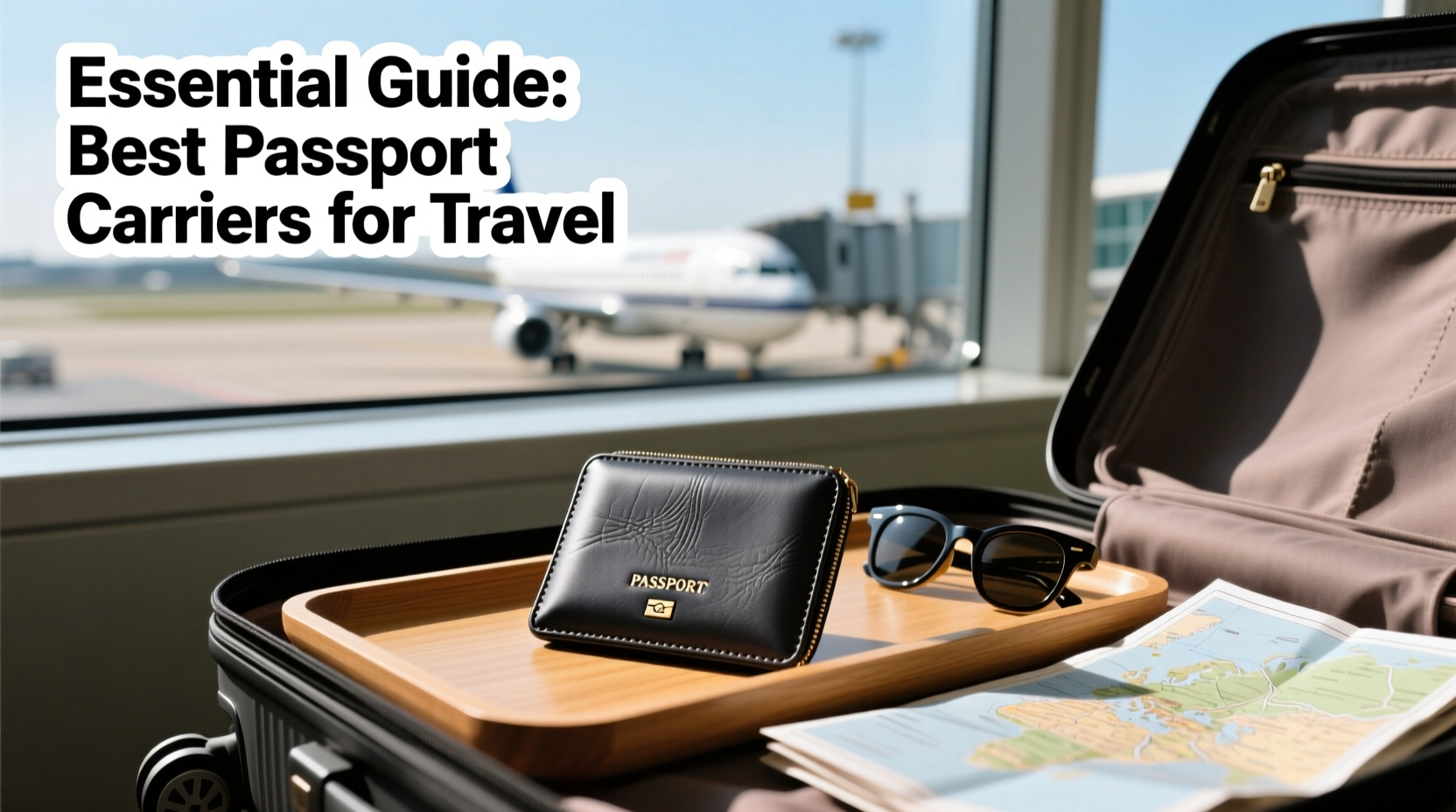
Your passport is one of the most critical documents you carry. Losing it overseas means costly replacements, embassy visits, and potential delays. A dedicated passport carrier does more than store—it protects against physical wear, moisture, and digital threats like RFID skimming. It also streamlines access during travel checkpoints, reducing stress in high-pressure moments.
Many travelers underestimate how often they handle their passport: check-in counters, immigration lines, hotel receptions, train stations. Each interaction increases exposure to loss or damage. A well-designed carrier minimizes these risks by offering structure, quick retrieval, and peace of mind.
“Over 300,000 U.S. passports are reported lost or stolen annually. Simple precautions like using a secure carrier can drastically reduce personal risk.” — U.S. Department of State Travel Advisory Report
Key Features of the Best Passport Carriers
Not all carriers are created equal. The best ones combine practicality with discretion. Here are the essential features to look for:
- RFID Protection: Blocks unauthorized scanning of embedded chips in modern e-passports.
- Durable Materials: Water-resistant nylon, genuine leather, or ripstop fabric withstand daily use.
- Compact Design: Fits easily in a pocket or front bag compartment without bulk.
- Multiple Compartments: Separate slots for passport, ID, credit cards, boarding passes, and cash.
- Concealed Pockets: Hidden zippers or secret sleeves deter pickpockets.
- Quick-Access Layout: Allows easy removal of documents without dumping contents.
Types of Passport Carriers Compared
Different travel styles demand different solutions. Below is a comparison of the most common types available today.
| Type | Best For | Pros | Cons |
|---|---|---|---|
| Passport Sleeves | Minimalist travelers, short trips | Ultra-lightweight, fits in any pocket | Limited storage; no card or cash space |
| RFID Wallets | Frequent flyers, urban explorers | Secure, compact, combines wallet + passport | Can be tight for thicker passports |
| Neck Pouches (Hidden) | Backpackers, crowded destinations | Highly secure, worn under clothing | Less convenient for frequent access |
| Crossbody Document Bags | Family travelers, long layovers | Ample room for multiple documents, pens, tickets | Bulkier; may attract attention |
| Money Belts with Passport Sleeve | Adventure travelers, festivals | Discreet, wearable under clothes, multi-pocket | Slower access; limited breathability |
Real-World Example: Navigating Southeast Asia Safely
Sophie, a solo traveler visiting Thailand, Vietnam, and Cambodia, relied on a slim RFID-blocking passport wallet tucked inside her crossbody bag. During a chaotic motorbike market visit in Hanoi, she noticed a man brushing too closely behind her. Later, she discovered her outer zip had been opened—but her inner pocket, where she kept her passport and cards, remained untouched. Because her passport was stored in a secured, secondary compartment within the carrier, nothing was lost. “I didn’t even feel it happen,” she said. “But my passport stayed safe because I wasn’t relying on just one layer of protection.”
This scenario highlights the importance of layered security: a good carrier isn't just about holding your passport—it's about integrating smart design into your overall safety strategy.
How to Choose the Right Carrier for Your Travel Style
Selecting the best passport carrier starts with understanding your habits. Follow this step-by-step process to make an informed decision:
- Assess Your Trip Type: Are you backpacking, business traveling, or on a luxury vacation? Each requires different levels of accessibility and discretion.
- Evaluate Security Needs: Visiting high-theft areas? Prioritize hidden pouches or RFID protection.
- Check Passport Size: Some international passports (like the U.S. version) are larger than standard. Ensure the carrier accommodates its dimensions.
- Test Accessibility: Can you retrieve your passport with one hand while holding luggage?
- Consider Climate: Humid destinations call for breathable, mildew-resistant materials.
- Review Weight & Bulk: If you travel light, avoid bulky organizers that add unnecessary ounces.
Top 5 Mistakes to Avoid When Using a Passport Carrier
- Overloading it: Stuffed carriers strain seams and make retrieval difficult.
- Using non-RFID-safe models in cities: Major tourist hubs have documented cases of contactless data theft.
- Keeping it in the back pocket: Easy target for pickpockets.
- Ignoring wear and tear: Frayed edges or broken zippers compromise security—replace promptly.
- Trusting only one storage method: Combine a carrier with a hotel safe when possible.
Essential Checklist Before You Buy
Use this checklist to ensure your chosen passport carrier meets real-world demands:
- ✅ Includes RFID-blocking lining
- ✅ Fits your passport size comfortably
- ✅ Has at least two separate compartments (passport + ID/card)
- ✅ Made from durable, water-resistant material
- ✅ Designed for front-access (not deep in a backpack)
- ✅ Lightweight (< 4 oz / 115g preferred)
- ✅ Neutral color (avoids drawing attention)
- ✅ Tested for ease of use under pressure (try retrieving items quickly)
Frequently Asked Questions
Do I really need RFID protection?
Yes, if you travel frequently or through urban centers. Modern passports contain embedded chips that can be scanned wirelessly. While large-scale fraud is rare, RFID-blocking material is inexpensive and adds a valuable layer of defense.
Can I put my passport carrier in the washing machine?
No. Most carriers—especially those with RFID shielding—should never be machine-washed. Instead, wipe clean with a damp cloth and mild soap. Allow to air dry completely before reuse.
Is a neck pouch outdated?
Not at all. Neck pouches remain one of the safest ways to carry documents in high-risk environments. Modern versions are sleek, breathable, and worn discreetly under clothing, making them ideal for festivals, crowded transit hubs, or regions with elevated theft rates.
Final Thoughts: Invest in Peace of Mind
A passport carrier isn’t a luxury—it’s a necessity. In an age where identity theft, document loss, and travel disruptions are increasingly common, protecting your identification should be as routine as packing your toothbrush. The right carrier blends invisibility, durability, and intelligent design to support your journey from departure to return.
Whether you choose a minimalist sleeve for weekend getaways or a feature-rich crossbody organizer for global expeditions, prioritize function over fashion. Test options, read reviews, and remember: the best carrier is the one you actually use consistently.
🚀 Ready to upgrade your travel setup? Review your current passport storage method today—and make the switch before your next trip. Share your favorite carrier model in the comments to help fellow travelers stay secure.








