
Trimming your toy poodle at home doesn’t have to be intimidating. With the right tools, technique, and patience, you can achieve a neat, professional-looking cut that keeps your dog comfortable and stylish. Toy poodles have a dense, curly coat that grows continuously, making regular grooming essential—not just for appearance, but for skin health and comfort. This guide walks you through everything from preparation to finishing touches, so you can confidently handle grooming sessions in your own home.
Why Home Grooming Makes Sense
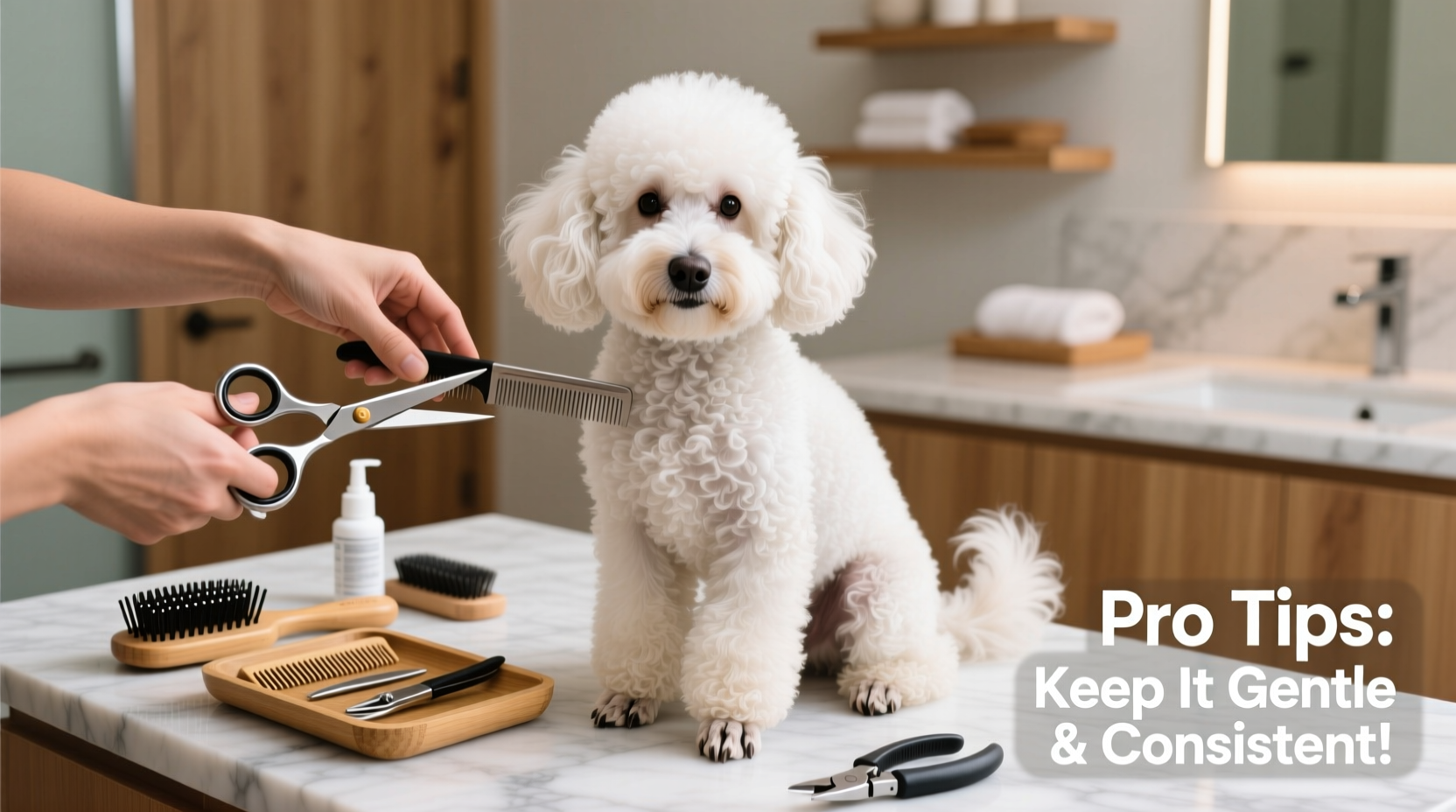
Professional grooming appointments can cost $50–$100 every 4–6 weeks. For many pet owners, especially those with active lifestyles or budget constraints, learning to groom at home is both economical and convenient. Beyond cost savings, grooming at home reduces stress for your dog. Many toy poodles become anxious in unfamiliar environments or around strangers handling their bodies. By establishing a calm, consistent routine at home, you build trust and make grooming a positive experience.
Additionally, frequent at-home maintenance prevents matting, reduces shedding around the house, and allows you to monitor skin conditions early—such as dryness, hot spots, or parasites.
Tip: Begin grooming when your poodle is young to acclimate them to handling, clippers, and bathing.Essential Tools You’ll Need
Attempting to trim your poodle without the proper equipment leads to uneven cuts, discomfort, or even injury. Invest in quality tools designed specifically for small dogs with curly coats.
| Tool | Purpose | Recommended Type |
|---|---|---|
| Slicker Brush | Detangles mats and removes loose hair | With fine, bent wires and ergonomic grip |
| Steel Comb | Final detangling and checking for tangles | Wide-to-fine tooth combo |
| Clipper Set | Cutting body, feet, face, and sanitary areas | Quiet, cordless model (e.g., Andis or Oster) |
| Blades | Different lengths for various areas | #10 for face/feet, #7F or #4 for body |
| Scissors | Shaping head, ears, and tail | Curved and straight 6–7 inch shears |
| Nail Trimmers | Cut nails safely | Guillotine or scissor-style |
| Ear Cleaner & Hemostats | Clean ears and pluck excess hair | Veterinary-approved solution + rounded-tip tweezers |
| Non-slip Mat | Stable surface during grooming | Rubber-backed bath or table mat |
“Consistency in grooming prevents overgrowth and makes each session easier. A well-maintained coat is healthier and less prone to irritation.” — Dr. Lena Torres, DVM, Canine Dermatology Specialist
Step-by-Step Guide to Trimming Your Toy Poodle
Follow this sequence for a smooth, efficient grooming session. Work in a quiet, well-lit area with minimal distractions.
- Bathe and Dry Thoroughly: Use a mild dog shampoo and conditioner. Rinse completely. Towel-dry, then use a high-velocity dryer to fully fluff and separate curls. Never clip a damp or tangled coat.
- Brush Completely: Start with the slicker brush, working in sections from skin outward. Follow with the steel comb to ensure no hidden mats remain, especially behind ears, under legs, and around the rear.
- Trim Nails: Cut small amounts at a time, avoiding the quick. If unsure, file instead. Trim dewclaws too.
- Clean Ears: Apply ear cleaner, massage base, then wipe with cotton. Use hemostats to gently pluck excess hair from ear canal opening if needed.
- Body Clipping: Attach a #7F or #4 blade. Clip against the grain, starting from the back and moving toward the neck and sides. Keep the clipper flat and move slowly. Overlap strokes slightly for even length.
- Sanitary Trims: Switch to a #10 blade. Carefully trim around the genitals, anus, and between paw pads. Keep the area clean and short to prevent waste buildup.
- Face and Head: Use scissors only. Trim around eyes in a rounded shape, keeping fur out of vision. Clip muzzle with clippers using a #10 blade, moving upward from chin. Shape the “pom” on top of the head by blending with scissors.
- Feet and Legs: Round the feet like tennis balls using scissors. Clip legs evenly with a #10 blade, blending into the body. Remove excess hair between toes.
- Tail: Leave a fluffy plume or create a pom-pom tip depending on preference. Clip the base smoothly and shape the end with scissors.
- Final Inspection: Check for missed spots, nicks, or uneven areas. Smooth rough edges with a fine comb or finishing blade.
Common Mistakes to Avoid
- Skipping brushing: Cutting over mats pulls skin and causes pain.
- Using dull blades: These tug hair and increase discomfort. Clean and oil blades after each use; replace when necessary.
- Clipping too short: Especially on thin-skinned toy breeds, this risks cuts and sunburn.
- Grooming while distracted: Focus on one area at a time. Rushing leads to mistakes.
- Ignoring sanitation: Wash hands, clean tools, and disinfect surfaces to prevent infections.
Mini Case Study: Sarah’s First Home Trim
Sarah adopted a 10-month-old toy poodle named Milo. After two costly grooming visits where Milo returned stressed and with patchy cuts, she decided to try it herself. She purchased a quiet cordless clipper, practiced holding the tools, and began weekly brushing sessions. On her first attempt, she spent three hours—breaking it into 20-minute segments with treat breaks. She followed a video tutorial closely, focusing on body clipping and sanitary areas. Though the head shaping wasn’t perfect, the result was clean and healthy. Within three sessions, Sarah had mastered the continental trim, and Milo now wags his tail when he sees the grooming mat. Her annual savings exceeded $600, and Milo is visibly more relaxed.
Do’s and Don’ts Summary
| Do | Don't |
|---|---|
| Brush before every trim | Clip a dirty or wet coat |
| Use sharp, cooled blades | Force your dog if anxious |
| Work in natural light | Hold scissors pointed toward skin |
| Trim nails weekly | Shave too close to sensitive areas |
| Practice regularly | Expect perfection on the first try |
Frequently Asked Questions
How often should I trim my toy poodle?
Every 4 to 6 weeks is ideal. Regular trims prevent matting, maintain hygiene, and keep the coat manageable. Daily brushing between trims is crucial.
Can I use human clippers?
No. Human clippers aren’t powerful enough for dense poodle fur and may burn the motor or overheat the skin. Pet-specific clippers are designed for continuous use and tougher coats.
What if I accidentally cut the skin?
Stay calm. Apply gentle pressure with a clean cloth or styptic powder. Most minor nicks stop bleeding quickly. If the cut is deep or doesn’t stop, contact your vet. Always have a first-aid kit nearby.
Tip: Keep cornstarch or styptic powder on hand—it stops minor bleeding instantly.Mastering the Art of At-Home Poodle Grooming
Trimming your toy poodle at home is a skill that improves with practice. What starts as a daunting task becomes a bonding ritual—one that saves money, reduces stress, and ensures your dog looks and feels their best. The key is consistency, the right tools, and a patient approach. Over time, you’ll develop an eye for symmetry, learn your dog’s preferences, and even customize styles to suit their personality.
Start simple. Focus on cleanliness and comfort before attempting show cuts. Celebrate small victories—a smooth clip, a calm demeanor, a shiny coat. Your poodle will respond to your confidence and care.
🚀 Ready to take charge of your poodle’s grooming? Gather your tools, set up your space, and begin with a full brush-out this weekend. Share your progress or ask questions in the comments—your journey to pro-level grooming starts now.








