Dressing up your dog with a bowtie collar can be a delightful way to add charm and personality to their look—whether it’s for a special occasion or just because they’re the best-dressed pup on the block. However, style should never come at the expense of comfort. A poorly fitted or low-quality bowtie collar can cause irritation, restrict movement, or even lead to skin issues. The key is balancing fashion with function. With the right approach, you can ensure your dog looks sharp while staying safe, relaxed, and tail-wagging happy.
Why Comfort Matters in Dog Collars
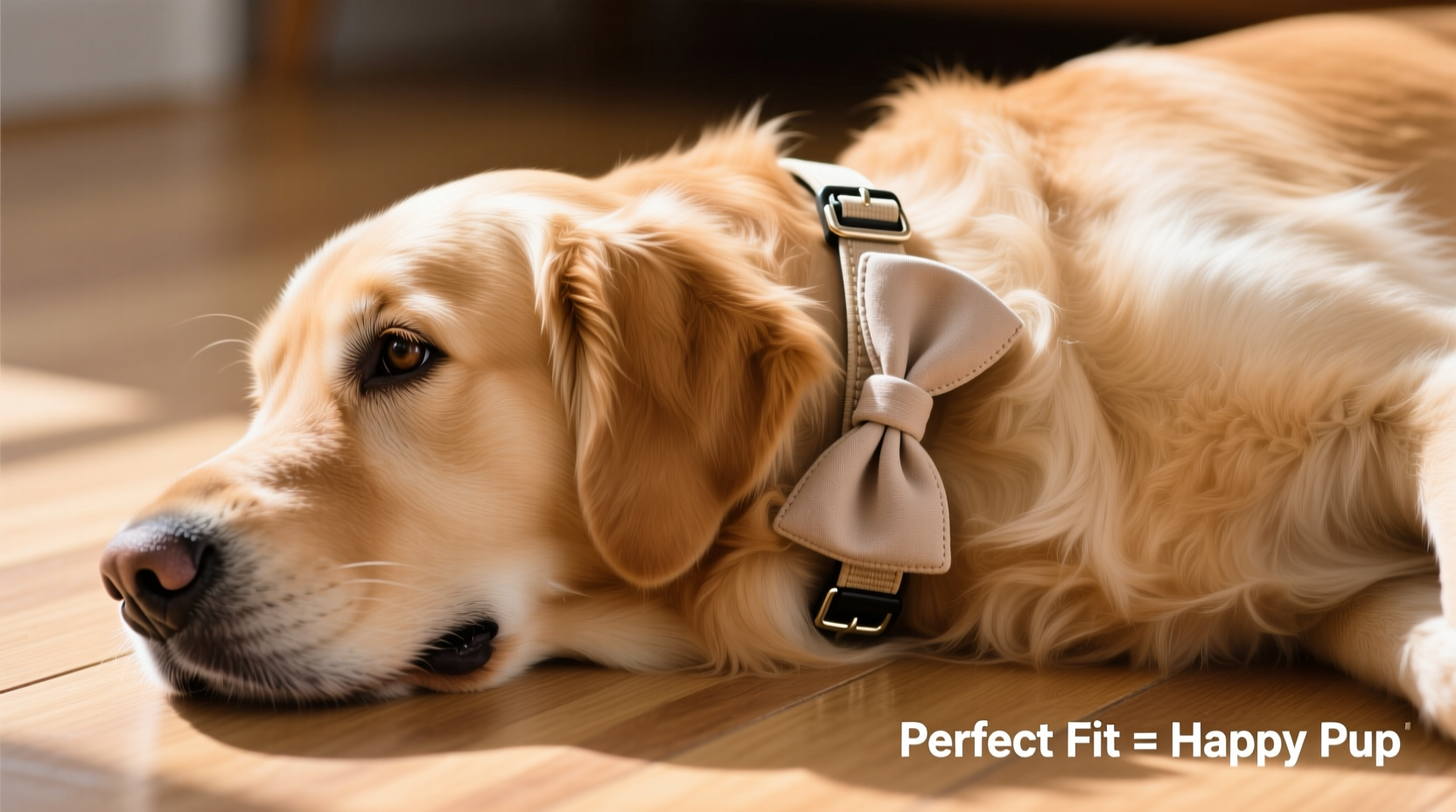
A collar is more than an accessory—it's a daily wearable that stays in constant contact with your dog’s neck. Even brief discomfort can lead to long-term problems such as chafing, hair loss, or behavioral changes like excessive scratching or reluctance to walk. Bowtie collars, while often made for occasional use, are still worn around a sensitive area and must meet the same standards of safety and comfort as any regular collar.
Unlike harnesses, which distribute pressure across the chest, collars concentrate force on the neck. This makes proper fit and soft materials especially critical. Dogs with delicate skin, short coats, or breeds prone to tracheal collapse (like Pomeranians or Yorkshire Terriers) need extra care when selecting accessories.
“Just because it’s decorative doesn’t mean it shouldn’t be functional. A dog’s collar should allow freedom of movement without pinching or rubbing.” — Dr. Laura Simmons, DVM, Canine Wellness Specialist
How to Measure for the Perfect Fit
The foundation of a comfortable bowtie collar is accurate sizing. Too tight, and it restricts breathing and causes sores; too loose, and it risks slipping off or getting caught on objects. Follow this step-by-step guide to get the measurement right:
- Use a soft measuring tape: Wrap it snugly—but not tightly—around the middle of your dog’s neck, where the collar normally sits.
- Add two fingers’ width: After measuring, slide two fingers between the tape and your dog’s neck to account for comfort padding. This ensures there’s enough room for airflow and movement.
- Check manufacturer size charts: Sizes vary between brands. Always refer to the specific brand’s guidelines using your measurement.
- Re-measure periodically: Puppies grow quickly, and even adult dogs can gain or lose weight. Reassess every few months.
Choosing the Right Material and Design
Not all fabrics are created equal when it comes to canine comfort. The material of the collar affects breathability, flexibility, and skin sensitivity. Here’s what to consider:
- Nylon: Durable and easy to clean, but can retain heat and may cause chafing if not lined.
- Cotton: Soft, breathable, and ideal for sensitive skin. Best for short wear periods.
- Satin or Silk: Often used for bowtie accents, but avoid direct skin contact—these materials can be slippery and less absorbent.
- Neoprene or Faux Leather: Stylish but less breathable; suitable only for cool environments and limited durations.
Look for collars with smooth inner linings, rounded edges, and adjustable buckles. Avoid metallic embellishments near the neck surface, as they can dig into the skin during movement.
| Material | Pros | Cons | Best For |
|---|---|---|---|
| Cotton | Soft, breathable, hypoallergenic | Less durable, absorbs moisture | Puppies, sensitive skin, short events |
| Nylon | Strong, washable, weather-resistant | Can cause friction, retains heat | Daily wear, outdoor use |
| Satin (bow only) | Shiny, elegant appearance | Slippery, hard to clean | Photos, weddings, ceremonies |
| Faux Leather | Stylish, modern look | Less breathable, stiff | Cool climates, brief wear |
Signs Your Dog’s Collar Is Too Tight or Irritating
Dogs can’t tell us when something hurts, but they communicate through behavior and physical cues. Watch for these warning signs:
- Excessive scratching or pawing at the neck
- Redness, swelling, or broken skin under the collar
- Hesitation to move the head freely
- Whining or backing away when you reach for the collar
- Flattened fur or bald spots where the collar sits
If you notice any of these symptoms, remove the collar immediately and inspect both the accessory and your dog’s skin. Allow time for recovery before re-introducing any collar, and consider switching to a softer or wider design.
Tip: Rotate collars regularly. Just like shoes, letting accessories “rest” helps maintain shape and hygiene.Real-Life Example: Bella the Beagle’s Bowtie Blunder
Bella, a three-year-old beagle, was dressed in a satin bowtie collar for her owner’s engagement party. Within 30 minutes, she began shaking her head and rubbing her neck against furniture. Her owner removed the collar and found red, irritated skin beneath. Upon inspection, the satin lining had no breathable backing, and the elastic band was too tight. After switching to a cotton-lined, adjustable bowtie collar for future events, Bella wore it confidently for over an hour with no discomfort. The change wasn’t just about fabric—it was about understanding fit and function first, fashion second.
Step-by-Step Guide to Fitting a Bowtie Collar Safely
Follow this timeline to ensure safe and comfortable wear every time:
- Day 1 – Measure & Select: Take accurate neck measurements and choose a collar with adjustable straps and soft interior.
- Day 2 – Initial Try-On: Place the collar on your dog for 10–15 minutes. Monitor behavior and check for red marks after removal.
- Day 3 – Extend Wear Time: Increase to 30–45 minutes. Inspect skin again and adjust tightness if needed.
- Day 4+ – Full Use: If no irritation occurs, the collar is safe for longer events. Never leave it on overnight or unsupervised.
Always supervise your dog during initial uses. Even well-fitted collars can shift during play or excitement.
Frequently Asked Questions
How tight should a bowtie collar be?
A bowtie collar should fit snugly enough to stay in place but allow two fingers to slide comfortably between the collar and your dog’s neck. It should not indent the skin or restrict swallowing or panting.
Can I leave a bowtie collar on my dog all day?
No. Decorative collars are not designed for extended wear. Remove them after events or photo sessions. For daily identification, use a separate, durable collar or a quick-detach ID tag system.
Are clip-on bowties safer than full collars?
Clip-on bowties attached to an existing collar eliminate additional pressure on the neck and are generally safer for short-term use. Ensure the clip is secure and free of sharp edges.
Final Checklist Before Every Use
- ✅ Neck measured recently
- ✅ Two-finger test passed
- ✅ No signs of prior irritation
- ✅ Material is soft and non-abrasive
- ✅ Bowtie securely attached (no loose threads)
- ✅ Supervision planned during wear
- ✅ Removal scheduled after event
Conclusion: Style Meets Safety
A bowtie collar can be a joyful expression of your dog’s personality—but only when comfort comes first. By choosing the right size, material, and fit, and by paying attention to your dog’s reactions, you create an experience that’s as pleasant as it is photogenic. Remember, the happiest pups aren’t just the best-dressed—they’re the ones who feel good in what they’re wearing.
💬 Have a favorite dog collar brand or fitting tip? Share your experience in the comments and help fellow pet parents keep their pups both dapper and comfortable!








