A well-groomed dog radiates confidence and care. It’s not just about appearances—it reflects a deeper commitment to your pet’s health, hygiene, and comfort. While professional grooming services offer polish, true elegance comes from consistent at-home care. With a few thoughtful techniques, you can elevate your dog’s look from ordinary to refined, turning heads on walks and earning nods of approval at the park.
Elegance in dog grooming isn’t about elaborate cuts or trendy dyes. It’s found in clean lines, soft fur, healthy skin, and a well-maintained coat that shines naturally. Whether you own a Poodle, Shih Tzu, Border Collie, or even a short-haired breed like a Doberman, these practical strategies will help you achieve a consistently polished appearance with minimal effort.
1. The Foundation: Regular Brushing for a Polished Coat
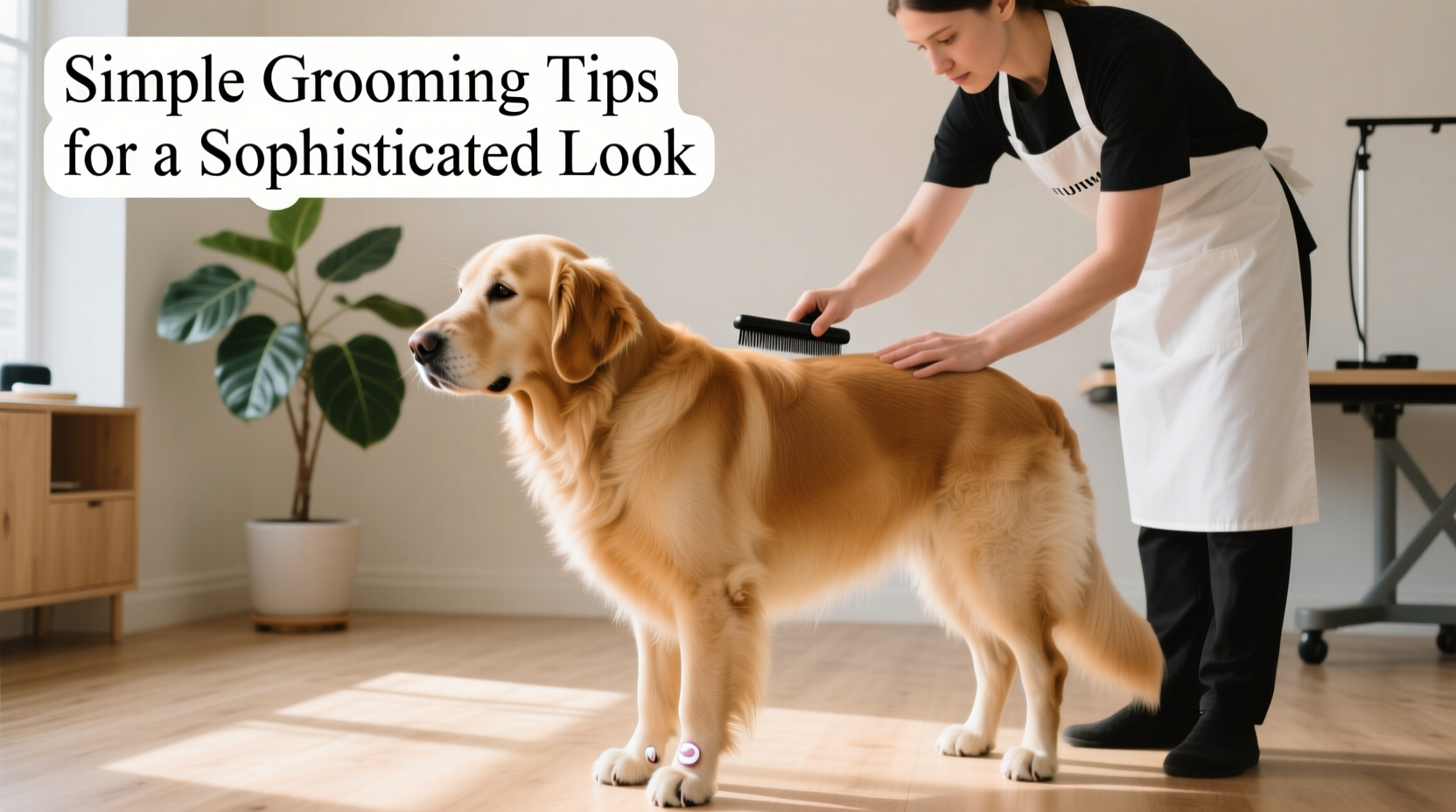
Brushing is the cornerstone of elegant grooming. It removes loose hair, prevents tangles, and stimulates natural oils that give the coat a healthy sheen. For long- or double-coated breeds, daily brushing is essential. Short-haired dogs benefit from weekly sessions to reduce shedding and maintain smoothness.
Choose the right brush for your dog’s coat type:
- Slicker brushes – Ideal for curly or wavy coats (Poodles, Bichons)
- Pin brushes – Gentle on long, silky fur (Yorkies, Maltese)
- Undercoat rakes – Perfect for double-coated breeds (Huskies, Golden Retrievers)
- Rubber curry brushes – Great for short-haired dogs (Beagles, Boxers)
Consistent brushing not only enhances appearance but also reduces matting, which can lead to discomfort and skin infections. A tangle-free coat lies flat and looks professionally groomed—even between salon visits.
2. Bath Time Done Right: Clean Without Overdoing It
Bathing too frequently strips natural oils and causes dry skin. Most dogs only need a bath every 4 to 6 weeks. However, if your dog enjoys rolling in mud or has a strong odor, adjust accordingly—but never more than once a week without veterinary advice.
Use a high-quality, pH-balanced dog shampoo suited to your pet’s skin type. Avoid human products, which are too harsh for canine skin.
“Over-bathing is one of the most common mistakes owners make. A good rule: if the dog doesn’t smell, don’t bathe.” — Dr. Lena Patel, Veterinary Dermatologist
Step-by-Step Guide: Elegant Bath Routine
- Brush thoroughly before wetting the coat to remove tangles.
- Use lukewarm water—never hot—to wet the coat completely.
- Apply shampoo, massaging gently from neck to tail, avoiding eyes and ears.
- Rinse thoroughly—leftover shampoo residue dulls the coat.
- Apply a lightweight conditioner if needed, focusing on ends and legs.
- Rinse again until water runs clear.
- Towel-dry immediately, then air-dry or use a low-heat dryer on a cool setting.
3. Precision Trimming: Subtle Touches That Elevate Style
Professional clipping creates sharp lines, but you don’t need clippers to achieve elegance. Simple trimming with blunt-tipped scissors can refine your dog’s silhouette and enhance their natural features.
Focus on key areas:
- Paws: Trim excess hair between pads for a neat, tidy look.
- Eyes: Carefully trim hair around the eyes to prevent irritation and improve visibility.
- Sanitary areas: Keep the area under the tail and around the genitals trimmed short for hygiene.
- Ears: Neaten long ear fringes without cutting too close to the base.
| Area | Tool | Frequency | Pro Tip |
|---|---|---|---|
| Paw Hair | Blunt-tipped scissors | Every 2–3 weeks | Lift paw gently; cut parallel to pad surface |
| Face Fur | Thinning shears | Monthly | Trim in natural direction; avoid pulling |
| Tail Plume | Curved grooming scissors | As needed | Shape for balance, not symmetry |
Mini Case Study: Bella the Shih Tzu
Bella, a 3-year-old Shih Tzu, had long, silky fur that often became matted behind her ears and around her paws. Her owner avoided trimming, fearing she’d cut too much. After learning basic scissor techniques from a groomer, she began biweekly touch-ups. Within a month, Bella’s coat stayed tangle-free, and her facial hair was neatly shaped—giving her a refined, almost regal appearance. Neighbors started commenting on how “well put together” she looked.
4. Paw and Nail Care: The Detail That Defines Elegance
Just as chipped nails detract from a polished human look, overgrown or dirty nails ruin a dog’s overall presentation. Trim nails every 3–4 weeks to maintain a quiet, confident stride.
Use a guillotine-style or scissor-style clipper designed for dogs. Locate the quick—the pink vein inside dark nails—and avoid cutting into it. If unsure, trim small amounts at a time.
Tip: File sharp edges after clipping to prevent snagging and improve comfort.Don’t forget the paw pads. Wipe them with a damp cloth after walks to remove dirt and salt. Check between toes for burrs, ice balls, or cracked skin. Smooth, clean paws contribute to a well-groomed impression.
5. Daily Maintenance Checklist for Lasting Sophistication
Elegant grooming isn’t achieved in a single session—it’s built through routine. Incorporate these habits into your daily or weekly schedule:
Dog Grooming Checklist
- ✅ Brush coat (daily for long-haired, weekly for short-haired)
- ✅ Check ears for redness or odor (clean weekly if needed)
- ✅ Inspect paws for debris or injury
- ✅ Wipe face with a soft, damp cloth (especially after meals)
- ✅ Trim nails every 3–4 weeks
- ✅ Clean tear stains gently with vet-approved solution
- ✅ Bathe every 4–6 weeks with suitable shampoo
- ✅ Schedule professional grooming every 6–8 weeks for full styling
This checklist ensures no detail is overlooked. Over time, these small acts accumulate into a consistently impressive appearance.
Frequently Asked Questions
How can I make my dog’s coat shinier?
A shiny coat starts with nutrition. Feed a balanced diet rich in omega-3 and omega-6 fatty acids. Supplement with fish oil if recommended by your vet. Regular brushing distributes natural oils, while occasional conditioning during baths adds luster. Avoid over-bathing, which strips shine.
Can I use human conditioner on my dog?
No. Human conditioners are formulated for a different pH level and may irritate your dog’s skin or cause allergies. Always use products specifically made for dogs, preferably fragrance-free and hypoallergenic.
My dog hates grooming. How can I make it easier?
Start slow. Introduce tools one at a time, offering treats and praise. Keep early sessions short—just a few minutes. Gradually increase duration as your dog becomes comfortable. Use a calm voice and reward cooperation. If anxiety persists, consult a behaviorist or consider a mobile groomer who specializes in gentle handling.
The Art of Understated Elegance
True sophistication in dog grooming lies not in dramatic transformations, but in consistency, attention to detail, and respect for your dog’s natural beauty. A well-brushed coat, clean paws, trimmed edges, and fresh scent speak volumes about the care you provide. These aren’t luxuries—they’re expressions of love and responsibility.
You don’t need expensive tools or a professional license to make your dog look elegant. What matters is regularity, patience, and a willingness to learn. Start today: pick up the brush, trim those paw hairs, and notice the difference. Your dog will not only look better—they’ll feel better too.
💬 Have a grooming tip that transformed your dog’s look? Share it in the comments below—your insight could inspire another pet parent!








