
Diarrhea is a common issue among dogs, affecting nearly every breed and age group at some point. While occasional loose stools may not be cause for alarm, persistent or severe diarrhea can signal underlying health problems and lead to dehydration, malnutrition, or discomfort. The good news is that many cases can be managed effectively at home with the right approach. Understanding the causes, recognizing warning signs, and knowing how to respond promptly are essential for any dog owner. This guide provides actionable, veterinarian-informed strategies to safely manage mild cases and prevent future episodes.
Understanding the Causes of Canine Diarrhea
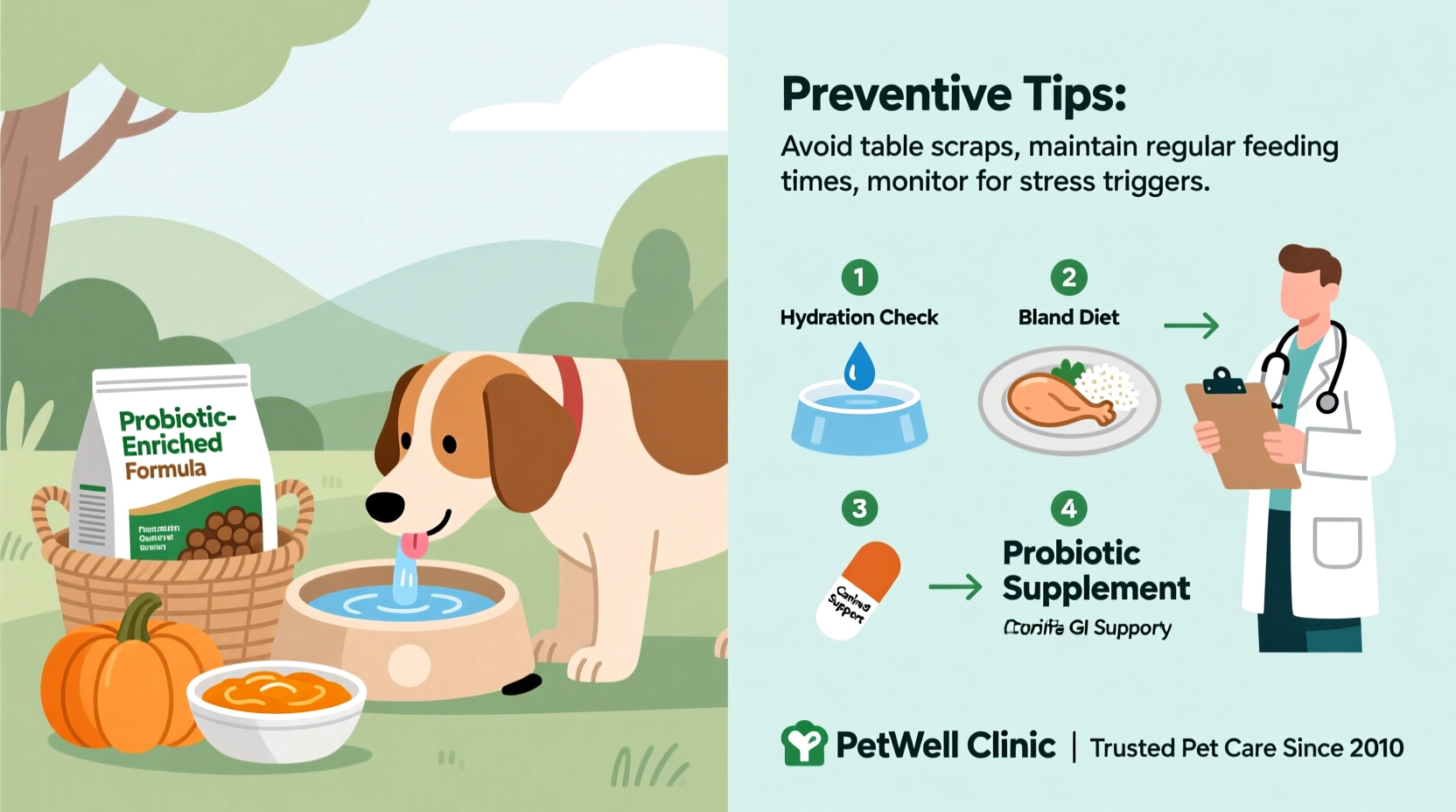
Dog diarrhea can stem from a wide range of factors, from simple dietary indiscretions to more serious medical conditions. Identifying the root cause helps determine whether home treatment is appropriate or if veterinary care is necessary.
- Dietary changes: Sudden shifts in food, introduction of new treats, or table scraps can disrupt digestion.
- Infections: Bacterial (e.g., Salmonella), viral (e.g., parvovirus), or parasitic (e.g., Giardia) infections often cause acute diarrhea.
- Food intolerance or allergies: Some dogs react poorly to certain proteins, grains, or additives.
- Stress: Travel, boarding, or changes in routine can trigger gastrointestinal upset.
- Toxins or foreign bodies: Ingesting spoiled food, garbage, or non-food items may lead to digestive distress.
- Chronic conditions: Diseases like inflammatory bowel disease (IBD), pancreatitis, or liver disorders may present with recurring diarrhea.
When to Treat at Home vs. When to Seek Veterinary Care
Not all diarrhea requires a trip to the clinic, but it's crucial to recognize red flags. Mild, short-lived episodes in otherwise healthy dogs can often be managed at home. However, certain symptoms indicate a need for professional evaluation.
| Home Management Is Likely Safe If: | Veterinary Care Is Urgent If: |
|---|---|
| Dog is bright, alert, and eating normally | Dog is lethargic, vomiting, or refusing food |
| Diarrhea lasts less than 24–48 hours | Symptoms persist beyond 48 hours |
| No blood or mucus in stool | Stool contains blood, is black/tarry, or has mucus |
| No recent exposure to toxins or known illness | Dog has ingested toxic substances or shows signs of pain |
| Puppy, senior, or immunocompromised dog is not affected | Puppy, senior, or small breed dog develops diarrhea (higher dehydration risk) |
“Mild diarrhea in adult dogs is often self-limiting, but owners should never ignore changes in behavior or hydration status.” — Dr. Laura Simmons, DVM, Small Animal Internal Medicine Specialist
Step-by-Step Guide to Managing Diarrhea at Home
If your dog meets the criteria for home care, follow this structured approach to support recovery and minimize discomfort.
- Withhold food for 12–24 hours: Allow the digestive tract to rest. Do not fast puppies, seniors, or small breeds without consulting a vet.
- Offer small amounts of water frequently: Prevent dehydration by providing fresh water every few hours. You can also offer ice cubes or diluted low-sodium broth.
- Introduce a bland diet: After fasting, start feeding boiled white meat chicken (no skin or bones) and plain white rice in a 1:2 ratio. Feed small portions 3–4 times daily.
- Maintain the bland diet for 2–3 days: Gradually reintroduce regular food by mixing increasing amounts of kibble over 1–2 days.
- Monitor stool consistency and energy levels: Improvement should be noticeable within 24 hours of starting the bland diet.
- Consider probiotics: A canine-specific probiotic supplement can help restore healthy gut flora.
Prevention Strategies for Long-Term Gut Health
Preventing diarrhea involves consistent habits and awareness of your dog’s individual sensitivities. Proactive care reduces the frequency and severity of episodes.
- Feed a high-quality, consistent diet: Avoid frequent food changes and choose limited-ingredient or hypoallergenic formulas if sensitivities are suspected.
- Limit access to garbage and outdoor scavenging: Secure trash cans and supervise outdoor time.
- Gradually transition foods: When changing diets, mix old and new food over 7–10 days to allow digestive adaptation.
- Manage stress: Use calming aids, maintain routines, and consider behavioral training during disruptive events.
- Keep up with parasite prevention: Administer monthly dewormers and fecal exams as recommended by your vet.
- Avoid human foods: Many common items—like onions, garlic, chocolate, and fatty leftovers—are harmful to dogs.
Checklist: Daily Habits to Prevent Diarrhea
- ✅ Feed consistent, species-appropriate meals
- ✅ Provide fresh, clean water at all times
- ✅ Pick up yard waste to reduce parasite exposure
- ✅ Store trash and compost securely
- ✅ Monitor for signs of dietary indiscretion
- ✅ Schedule annual wellness exams and fecal tests
Real-Life Example: Managing a Sudden Episode
Max, a 3-year-old Labrador Retriever, developed sudden diarrhea after raiding the backyard compost bin. His owner noticed soft, foul-smelling stools but no vomiting or lethargy. Following home care guidelines, Max was fasted for 12 hours with access to small sips of water. A bland diet of boiled chicken and rice was introduced the next morning. By day two, his stools began firming up. On day three, his regular food was slowly reintroduced. Within five days, Max was back to normal. His owner now uses a locked compost bin and avoids leaving food scraps outdoors—simple changes that have prevented recurrence.
Frequently Asked Questions
Can I give my dog over-the-counter anti-diarrheal medication?
Never administer human medications like loperamide (Imodium) without veterinary guidance. Some drugs are toxic to dogs or mask serious conditions. Always consult your vet before giving any medication.
How long should I wait before calling the vet?
If diarrhea persists beyond 48 hours, worsens, or is accompanied by vomiting, fever, or weakness, contact your veterinarian immediately. Puppies and small breeds should be evaluated sooner due to rapid dehydration risks.
Are probiotics safe for dogs with diarrhea?
Yes, canine-specific probiotics are generally safe and beneficial. Look for strains like Enterococcus faecium or Bifidobacterium animalis. Avoid human probiotics unless approved by your vet.
Conclusion
Managing and preventing diarrhea in dogs doesn’t require complex interventions—just attentive care, informed choices, and timely action. Most mild cases resolve with simple dietary adjustments and hydration support. By understanding triggers, recognizing danger signs, and adopting preventive habits, you can significantly reduce the impact of gastrointestinal issues on your dog’s well-being. Remember, your role as a pet owner is the first line of defense. Stay observant, act wisely, and always prioritize your dog’s comfort and health.
💬 Have a tip or experience managing dog diarrhea at home? Share your story in the comments to help fellow pet owners navigate these common challenges with confidence.








