Winter walks with your dog should be enjoyable, not hindered by a stiff, icy leash that’s difficult to handle. When temperatures drop, moisture from snow, slush, or even your dog’s breath can freeze on the leash, making it brittle, slippery, and uncomfortable to hold. A frozen leash isn’t just inconvenient—it can compromise your control over your pet and increase the risk of slips or accidents. Fortunately, with the right materials, maintenance habits, and preventive strategies, you can keep your dog’s leash flexible and functional all winter long.
Choose the Right Leash Material for Cold Weather
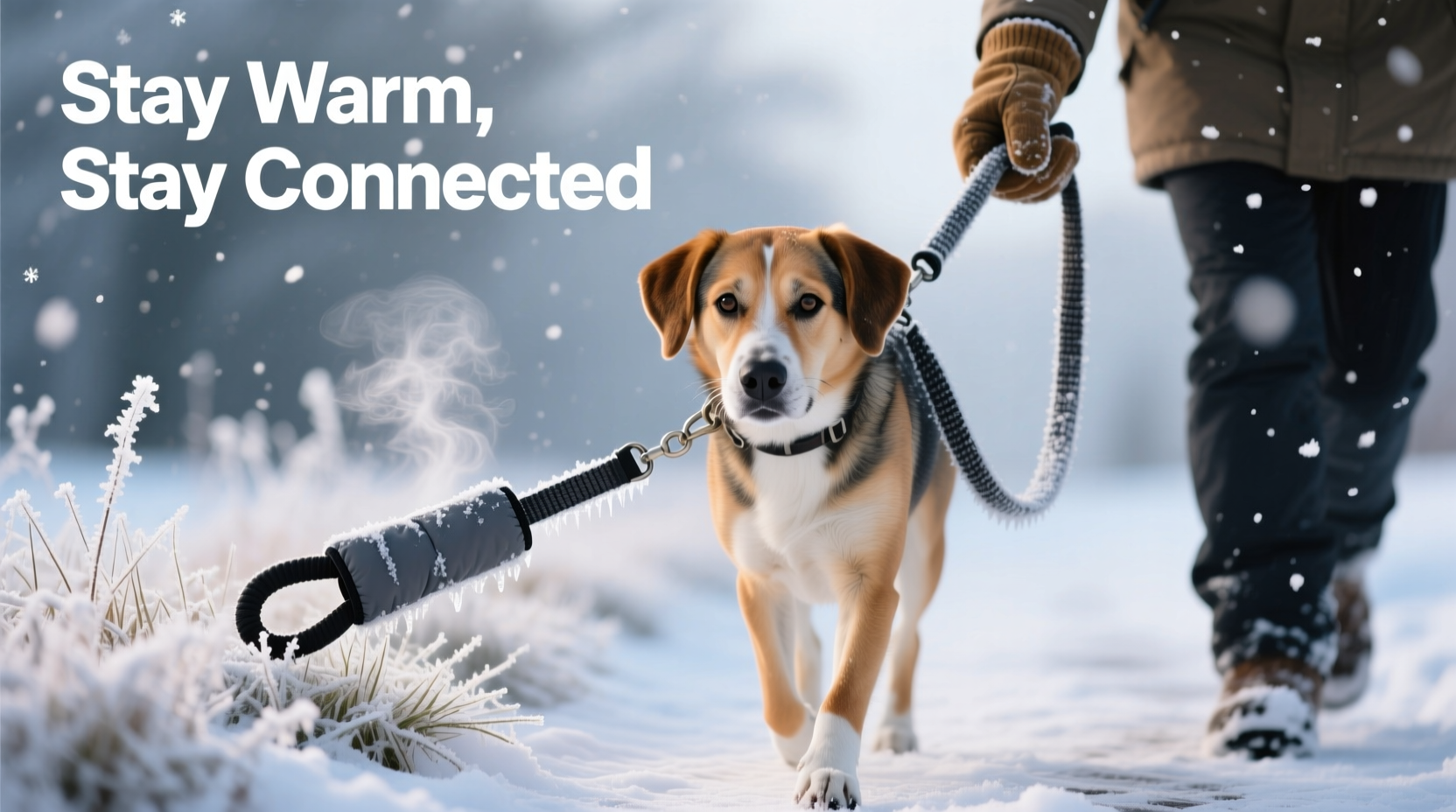
The foundation of preventing leash freeze starts with selecting an appropriate material. Not all leashes perform equally in sub-zero conditions. Some fabrics absorb moisture and stiffen quickly, while others resist water and remain pliable even in extreme cold.
Nylon and polyester are common leash materials, but standard versions may absorb moisture and freeze if exposed to wet snow. However, **water-resistant or coated nylon** performs significantly better. Look for leashes labeled as “weather-resistant” or treated with a DWR (durable water repellent) finish. These coatings help shed moisture before it can seep into the fibers.
Braided paracord leashes, especially those with a wax coating, offer excellent cold-weather performance. The tight weave limits water absorption, and the wax adds a hydrophobic layer that resists frost buildup. Similarly, leashes made from marine-grade materials—designed for boats and outdoor gear—are engineered to withstand constant exposure to moisture and temperature swings.
Tip: Avoid cotton or untreated fabric leashes in winter—they absorb moisture rapidly and freeze easily.Apply Water-Repellent Treatments Regularly
Even high-quality leashes benefit from added protection. Applying a waterproofing spray designed for outdoor gear can dramatically reduce ice accumulation. Products like **3M Scotchgard Outdoor Fabric Protector** or **Nikwax Tech Wash & SoftShell Proof** are safe for pet gear and create a breathable barrier against moisture.
To treat your leash:
- Clean the leash thoroughly with mild soap and water; let it dry completely.
- Hold the spray 6–8 inches away and apply an even coat along the entire length.
- Allow it to cure for at least 24 hours before use.
Reapply every 4–6 weeks during heavy winter use. Over-treatment can make synthetic fibers stiff, so follow manufacturer instructions carefully.
“Water-repellent treatments aren’t just for jackets—applying them to pet gear extends usability and safety in harsh conditions.” — Dr. Lena Peterson, Veterinary Behaviorist & Canine Safety Advocate
Prevent Moisture Buildup During Walks
Once outside, proactive handling reduces the chance of ice forming mid-walk. Snow and slush picked up by your dog’s paws can transfer to the leash when they shake or rub against it. Breath vapor near the collar can also condense and freeze along the lower sections of the leash.
To minimize exposure:
- Use a shorter leash in deep snow to prevent dragging through slush.
- Carry a small microfiber towel in your pocket to wipe off moisture during the walk.
- Keep the leash coiled loosely in your hand rather than letting it dangle, reducing surface area exposed to snow.
- Avoid looping excess leash around your hand—this traps heat and moisture, creating ideal freezing conditions.
If your dog tends to pull through puddles or roll in snow, consider using a hands-free waist leash with a bungee section. These keep the main tether off the ground and often feature quick-dry materials.
Post-Walk Care Routine to Prevent Residual Ice
What you do after the walk is just as important as what happens during it. Bringing a wet leash indoors and leaving it bunched up encourages residual moisture to freeze when taken out again.
Follow this post-walk checklist:
Checklist: Post-Walk Leash Maintenance- Wipe down the leash with a dry cloth immediately after returning.
- Unclip and hang vertically in a dry, warm room (not near direct heat).
- Inspect metal hardware for corrosion or ice in clasps.
- Store fully dry—never damp—in a breathable bag or hook.
Avoid placing the leash near radiators or heaters, as rapid drying can degrade synthetic fibers over time. Instead, let it air-dry at room temperature. If ice has already formed, allow it to thaw naturally before wiping—never bend or snap a frozen leash, as this can weaken internal fibers.
DIY Solutions and Real-World Testing
Sarah M., a musher and dog trainer from northern Minnesota, faced persistent leash freezing during early morning training sessions with her huskies. Temperatures routinely dropped below -20°F (-29°C), and standard nylon leashes became rigid within minutes.
She experimented with several solutions and found success using a combination of a paracord leash treated with beeswax and silicone-based lubricant on the clasp. “I melt food-grade beeswax and dip the entire leash, then let it cool,” she explains. “It adds weight, but the water resistance is incredible. I’ve used the same leash for three winters with no cracking.”
While DIY waxing works well for thick, braided leashes, it’s not recommended for thin or flat webbing, which may become too stiff. Always test any treatment on a small section first.
| Leash Type | Freeze Resistance | Maintenance Level | Best For |
|---|---|---|---|
| Standard Nylon | Low | High (requires frequent drying) | Occasional winter use |
| Coated Paracord | High | Medium (re-treat every 6 weeks) | Daily winter walks, snowy areas |
| Marine-Grade Polymer | Very High | Low | Extreme cold, wet climates |
| Cotton Webbing | Very Low | High (not recommended) | Indoor or summer use only |
Frequently Asked Questions
Can I use WD-40 on my dog’s leash to prevent freezing?
No. While WD-40 repels water, it contains solvents and chemicals that can degrade synthetic fibers and irritate your dog’s skin if transferred from the leash. Use pet-safe waterproofing sprays instead.
How do I unfreeze a leash safely?
Bring the leash indoors and allow it to thaw at room temperature. Do not use hairdryers, boiling water, or forceful bending. Once thawed, wipe it dry and inspect for damage before reuse.
Are rubber-coated leashes better in winter?
Rubber-coated leashes resist water well but can become brittle in extreme cold. They’re a good option for mild winter climates but may crack if stored improperly or exposed to rapid temperature changes.
Conclusion: Stay Safe and Comfortable All Winter
Preventing your dog’s leash from freezing doesn’t require expensive gear—just smart choices and consistent care. From selecting water-resistant materials to adopting a simple post-walk routine, small actions add up to reliable performance in freezing conditions. Your comfort and your dog’s safety depend on maintaining control, and a flexible, ice-free leash is essential for that.
💬 Have a tip that works for your winter walks? Share your experience in the comments and help fellow dog owners stay prepared!








