Walking your dog should be a peaceful, enjoyable experience for both of you—not a constant tug-of-war down the sidewalk. Yet, many dog owners struggle with a pet that pulls relentlessly, making every outing exhausting. The good news is that leash pulling isn’t inevitable. With consistent training, patience, and the right techniques, you can teach your dog to walk calmly beside you. This guide covers proven, humane methods grounded in positive reinforcement and behavioral science to help transform chaotic walks into moments of connection and cooperation.
Understanding Why Dogs Pull
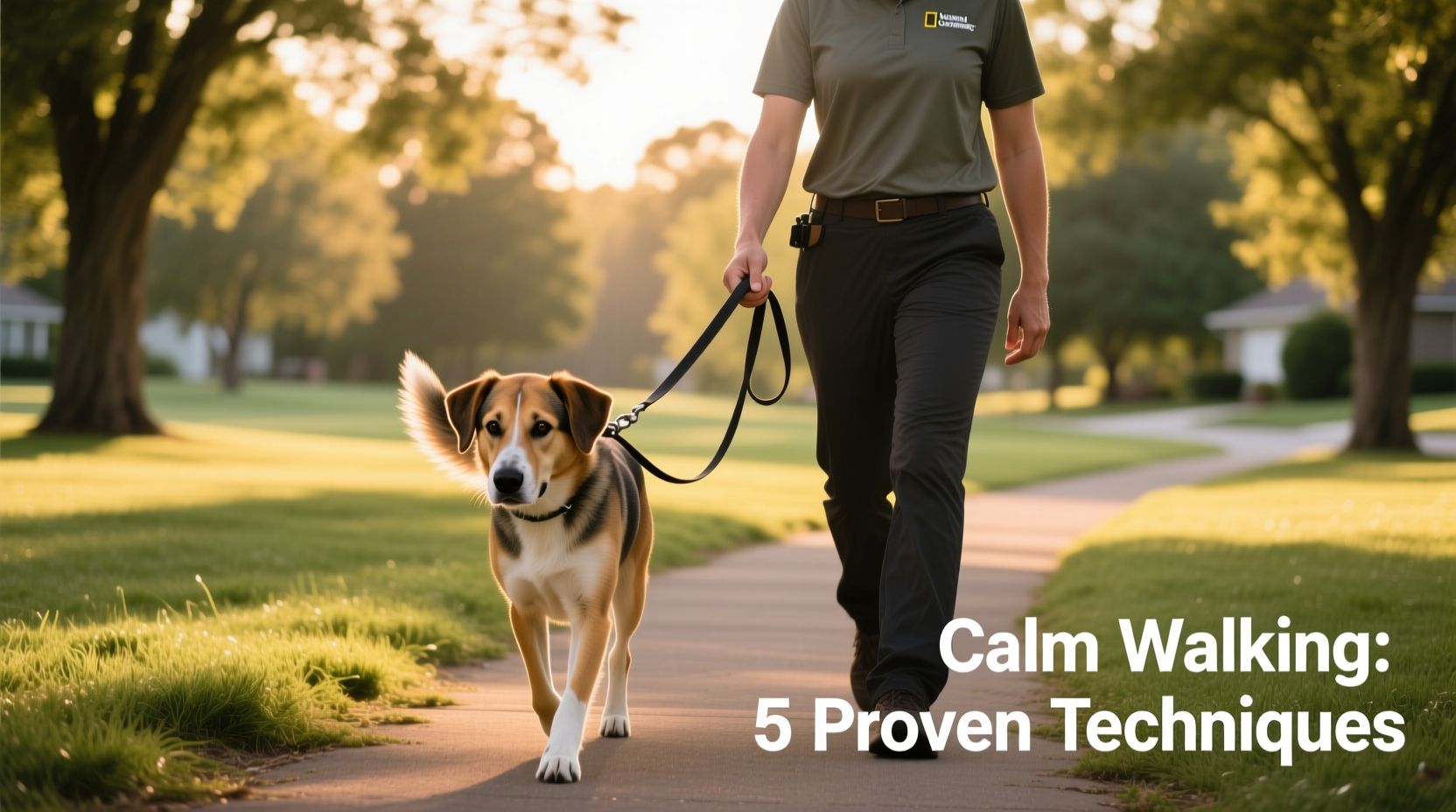
Dogs are naturally curious and driven by scent, movement, and exploration. When they see something interesting—a squirrel, another dog, or even a fluttering leaf—their instinct is to move toward it quickly. A leash restricts this impulse, but instead of slowing down, many dogs learn that pulling gets them where they want to go faster. Over time, this behavior becomes reinforced: pull = forward motion. To change it, you must retrain that association.
It’s important to recognize that pulling isn’t defiance—it’s communication. Your dog isn’t trying to dominate you; they’re simply responding to their environment based on what’s worked before. The solution lies not in punishment, but in teaching an alternative behavior: walking calmly at your side earns rewards, while pulling stops progress.
Tip: Always carry high-value treats during training sessions—small pieces of chicken, cheese, or commercial training treats work well.Step-by-Step Training Method: The Stop-and-Go Technique
This method teaches your dog that loose-leash walking leads to forward movement, while pulling causes everything to stop. It’s simple but highly effective when applied consistently.
- Start in a low-distraction area, like your backyard or a quiet street.
- Clip on the leash and let it hang loosely. Wait for your dog to notice you and make eye contact.
- Say “Let’s go” and begin walking. The moment the leash tightens, stop immediately.
- Stand still and wait. Don’t talk or pull back—just freeze.
- When the leash goes slack (even briefly), mark it with a “Yes!” or clicker and take two or three steps forward.
- Repeat this process throughout the walk. Reward frequently for attention and loose-leash behavior.
The key is consistency. If you occasionally allow pulling to result in movement, you reinforce the wrong behavior. Over time, your dog will learn that only a slack leash means progress.
Tools That Support Calm Walking
While training is the foundation, certain tools can enhance success—especially in early stages. Not all gear is created equal, and some can cause physical or emotional harm if misused. Below is a comparison of common options.
| Tool | Best For | Pros | Cons |
|---|---|---|---|
| Front-clip harness | Dogs who pull strongly | Redirects dog sideways when pulling, reducing strain | May require adjustment period; less control than head collars |
| Head halter (e.g., Gentle Leader) | Dogs easily distracted or reactive | Offers gentle steering control; prevents lunging | Requires gradual introduction; some dogs resist at first |
| Standard collar | Well-trained dogs with mild pulling | Familiar and simple | Pulling can injure neck; not ideal for strong dogs |
| No-pull harness (rear-clip) | Light to moderate pullers | Comfortable; easy to use | Some dogs learn to pull harder with rear clips |
Always introduce new equipment gradually. Let your dog sniff and wear it indoors before attaching the leash. Pair each use with treats to build positive associations.
Building Focus with Attention Cues
A dog focused on you is less likely to pull. Teaching a reliable “watch me” or “look” command builds engagement and redirects attention from distractions.
“Dogs don’t ignore us because they’re stubborn—they’re just paying attention to something more interesting. Our job is to become more interesting.” — Dr. Karen Overall, Veterinary Behaviorist
To teach focus:
- Hold a treat near your eyes and say “Look.”
- When your dog makes eye contact, mark and reward immediately.
- Gradually increase the duration of eye contact before rewarding.
- Practice in increasingly distracting environments.
Once mastered, use the cue during walks to reset attention when your dog starts to drift forward. Pair it with changing direction—turn 180 degrees when they look at you—to add structure and fun.
Tip: Practice focus exercises for 3–5 minutes daily. Short, frequent sessions build stronger habits than long, infrequent ones.Real-Life Example: Transforming Max’s Walks
Max, a two-year-old Australian Shepherd, used to drag his owner down the block, barking at bikes and other dogs. Walks were stressful and often ended in frustration. His owner began using the stop-and-go method in their driveway, rewarding Max for staying within a two-foot zone beside her. She introduced a front-clip harness to reduce strain and practiced “look” for five minutes before each walk.
Within three weeks, Max started checking in automatically. When he saw a distraction, he glanced at his owner instead of lunging. By week six, they were walking smoothly through the neighborhood with minimal pulling. The turning point was consistency—every walk, every day, followed the same rules.
Common Mistakes to Avoid
Even well-meaning owners can unintentionally sabotage progress. Watch out for these pitfalls:
- Inconsistency: Allowing pulling sometimes teaches that persistence pays off.
- Yanking the leash: This can cause injury and damage trust.
- Expecting too much too soon: Start in low-distraction areas and build up gradually.
- Neglecting rewards: If calm walking isn’t reinforced, why would the dog continue?
- Using aversive tools without guidance: Prong or shock collars can suppress behavior but often increase anxiety.
Training Checklist for Loose-Leash Success
Use this checklist to stay on track during your training journey:
- ✅ Choose the right equipment (front-clip harness or head halter if needed)
- ✅ Use high-value treats during training sessions
- ✅ Train in low-distraction environments first
- ✅ Practice the stop-and-go technique daily
- ✅ Teach and reinforce the “look” command
- ✅ Keep sessions short (5–10 minutes) and positive
- ✅ Gradually increase difficulty (busier streets, longer walks)
- ✅ Involve all family members in consistent training
Frequently Asked Questions
How long does it take to stop leash pulling?
Most dogs show improvement within 2–4 weeks of consistent training. However, full reliability in all environments may take several months. Progress depends on the dog’s age, breed, previous experiences, and how consistently the technique is applied.
Can older dogs learn not to pull?
Absolutely. While puppies are easier to shape from the start, adult dogs are fully capable of learning new behaviors. The key is patience and repetition. Older dogs may have ingrained habits, but with consistent positive reinforcement, they can unlearn pulling just as effectively.
Should I use a retractable leash during training?
No. Retractable leashes encourage pulling by allowing the dog to surge ahead. They also provide poor feedback and can be dangerous in crowded or fast-moving situations. Use a standard 4–6 foot leash for better control and clearer communication.
Conclusion: A Calmer Walk Is Within Reach
Teaching your dog to walk calmly on a leash isn’t just about convenience—it strengthens your bond, reduces stress, and makes outdoor time enjoyable for both of you. The techniques outlined here rely on understanding your dog’s motivations and reshaping their expectations through consistency and kindness. There will be setbacks, especially in high-distraction environments, but every small success builds momentum.
💬 Ready to transform your walks? Start today with a five-minute session in your yard. Share your progress or questions in the comments—your journey could inspire another dog owner to try a gentler approach.








