Switching your dog’s food bowl might seem like a minor change, but for many dogs, it can be a source of confusion, hesitation, or even refusal to eat. Whether you're upgrading from plastic to stainless steel, introducing a slow feeder, or simply replacing a worn-out dish, the shift requires thoughtful handling. Dogs thrive on routine, and even small disruptions in their feeding environment can impact their comfort and appetite. The key to a smooth transition lies in patience, consistency, and understanding your dog’s sensory preferences and behavioral tendencies.
Why Changing a Food Bowl Matters More Than You Think
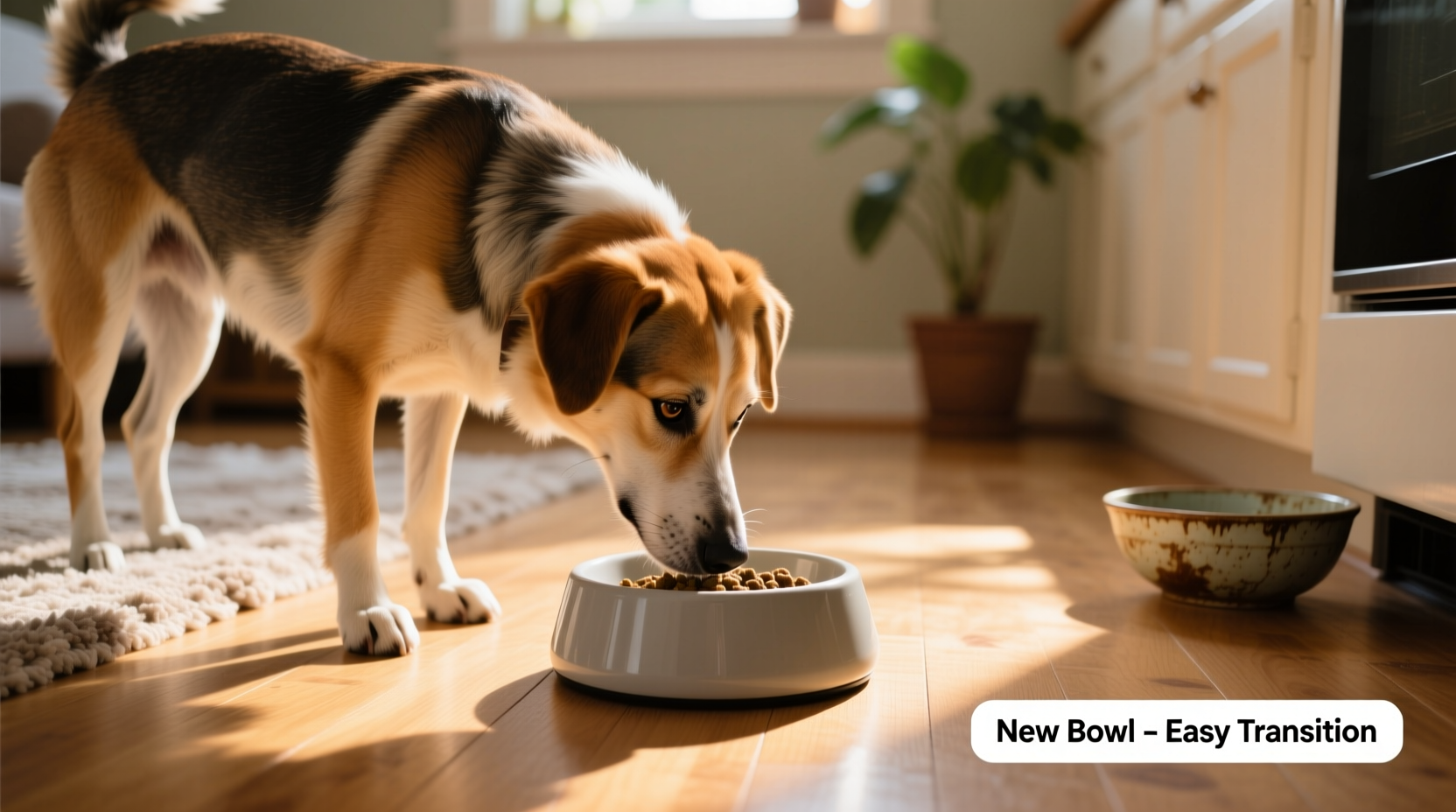
A food bowl is more than just a container—it’s part of your dog’s daily ritual. The shape, depth, material, noise, and even the smell of the bowl contribute to their overall feeding experience. For example, deep bowls may cause discomfort for long-nosed breeds, while plastic dishes can harbor bacteria and develop odors over time. Some dogs are sensitive to the sound metal makes when clinking against the floor, and others may struggle with elevated feeders if not introduced properly.
Veterinarians and animal behaviorists emphasize that sudden changes in feeding tools can lead to anxiety, reduced food intake, or even gastrointestinal issues due to altered eating speed. A gradual, empathetic approach ensures your dog adapts without stress.
“Dogs form strong associations with their feeding routines. A new bowl isn’t just an object—it’s a change in their environment that needs careful introduction.” — Dr. Laura Simmons, Veterinary Behaviorist
Step-by-Step Guide to Introducing a New Food Bowl
Making the switch successfully involves more than placing a new bowl down at mealtime. Follow this structured timeline to ensure your dog accepts the change naturally.
- Phase 1: Parallel Placement (Days 1–2)
Place the new bowl next to the old one during meals, both filled with the same food. This allows your dog to investigate the new bowl without pressure. Do not remove the familiar bowl. - Phase 2: Partial Transition (Days 3–4)
Begin feeding half the meal in the old bowl and half in the new. Praise and gently encourage your dog when they eat from the new dish, but never force interaction. - Phase 3: Full Shift (Days 5–7)
Serve the entire meal in the new bowl. Keep the old one nearby for reassurance, but no longer fill it. Monitor your dog’s body language—relaxed posture and eager eating indicate acceptance. - Phase 4: Retirement (Day 8 onward)
Once your dog consistently eats from the new bowl without hesitation, retire the old one. Store it out of sight to prevent regression.
Choosing the Right Bowl: Matching Design to Dog’s Needs
Not all bowls suit all dogs. The right choice depends on breed, size, age, and eating behavior. Below is a comparison of common bowl types and their ideal use cases.
| Type | Best For | Potential Drawbacks |
|---|---|---|
| Stainless Steel | All breeds; especially dogs with allergies or sensitive skin | Can be noisy on hard floors; may slide if not weighted |
| Ceramic | Decorative homes; heavier dogs who don’t push bowls | Breakable; heavy; harder to clean crevices |
| Slow Feeder | Fast eaters; prone to bloating or gulping | May frustrate some dogs initially; requires thorough cleaning |
| Elevated Feeders | Large/giant breeds; dogs with neck or joint issues | May increase bloat risk in deep-chested breeds if misused |
| Silicone (Non-slip) | Puppies; small breeds; active eaters | Less durable; may retain odors over time |
Consider your dog’s physical traits and habits. Brachycephalic breeds like Bulldogs often benefit from shallow, wide bowls, while deep-chested dogs like Great Danes may need elevated options—but only under veterinary guidance.
Real-Life Example: Helping Max Adjust to a Slow Feeder
Max, a 3-year-old Labrador, had a habit of inhaling his food in under a minute. His owner, Sarah, was concerned about choking and digestive discomfort. After consulting her vet, she decided to introduce a slow feeder bowl. At first, Max pawed at it and walked away. Instead of forcing the change, Sarah placed kibble around the maze-like ridges by hand, turning mealtime into a puzzle game. She praised him each time he retrieved a piece. By day four, Max was actively using his tongue to navigate the grooves. Within a week, he ate his full meal from the new bowl, taking nearly ten minutes—a dramatic improvement. The success came not from persistence, but from making the bowl engaging rather than intimidating.
Common Mistakes to Avoid During the Transition
- Swapping bowls overnight: Removing the old bowl abruptly creates confusion and may trigger food avoidance.
- Using a dirty or scented new bowl: Residual manufacturing odors or improper washing can deter dogs with sensitive noses.
- Introducing multiple changes at once: Don’t switch food, location, and bowl simultaneously—this overwhelms your dog’s senses.
- Ignoring signs of discomfort: Lip licking, turning away, or pawing at the bowl may signal dislike of height, depth, or material.
- Placing the bowl in a high-traffic area: Noise and foot traffic can make dogs feel unsafe while eating.
Checklist: Ensuring a Smooth Bowl Transition
Use this actionable checklist to guide your process:
- ✅ Choose a bowl appropriate for your dog’s breed and eating style
- ✅ Clean the new bowl thoroughly before first use
- ✅ Place both old and new bowls side by side for the first 48 hours
- ✅ Use treats or favorite foods to encourage interaction with the new bowl
- ✅ Gradually shift food portions to the new bowl over 5–7 days
- ✅ Observe your dog’s body language during meals
- ✅ Maintain consistent feeding times and locations
- ✅ Retire the old bowl only after your dog eats confidently from the new one
Frequently Asked Questions
How long should the transition to a new food bowl take?
Most dogs adapt within 5 to 7 days using a gradual method. Sensitive or anxious dogs may need up to two weeks. Rushing the process increases resistance.
My dog won’t go near the new bowl. What should I do?
Start by placing high-value treats or a smear of wet food in the bowl when your dog isn’t hungry, so exploration feels like play. Let them discover it on their own terms. You can also place the new bowl in a different location temporarily to reduce pressure.
Is it okay to mix bowl types, like using stainless steel for food and ceramic for water?
Yes, many owners use different materials for food and water based on preference and function. Just ensure both are cleaned regularly and positioned comfortably for your dog.
Final Thoughts: Patience Builds Confidence
Transitioning your dog to a new food bowl is less about the bowl itself and more about how you manage change. Dogs rely on predictability, and even well-intentioned upgrades can unsettle them if introduced too quickly. By respecting your dog’s pace, observing their cues, and creating positive associations, you turn a potential stressor into an opportunity for enrichment. The goal isn’t just to get your dog to eat from a new dish—it’s to strengthen trust and improve their overall feeding experience.
💬 Have you recently switched your dog’s food bowl? Share your experience or tips in the comments—your insight could help another pet parent make the change with confidence!








