
Dog owners often face the frustrating reality of returning home to find a favorite shoe destroyed or a corner of the couch gnawed beyond repair. Chewing is a natural behavior for dogs—it helps relieve teething pain in puppies, reduces anxiety, and satisfies their instinct to explore the world through their mouths. However, when that chewing targets household objects like furniture, electronics, or personal belongings, it becomes a serious behavioral issue. The good news is that with consistency, patience, and the right approach, you can redirect your dog’s chewing habits effectively. This guide outlines proven training techniques backed by animal behavior science to help you reclaim your belongings and foster a healthier, happier relationship with your pet.
Understand Why Dogs Chew
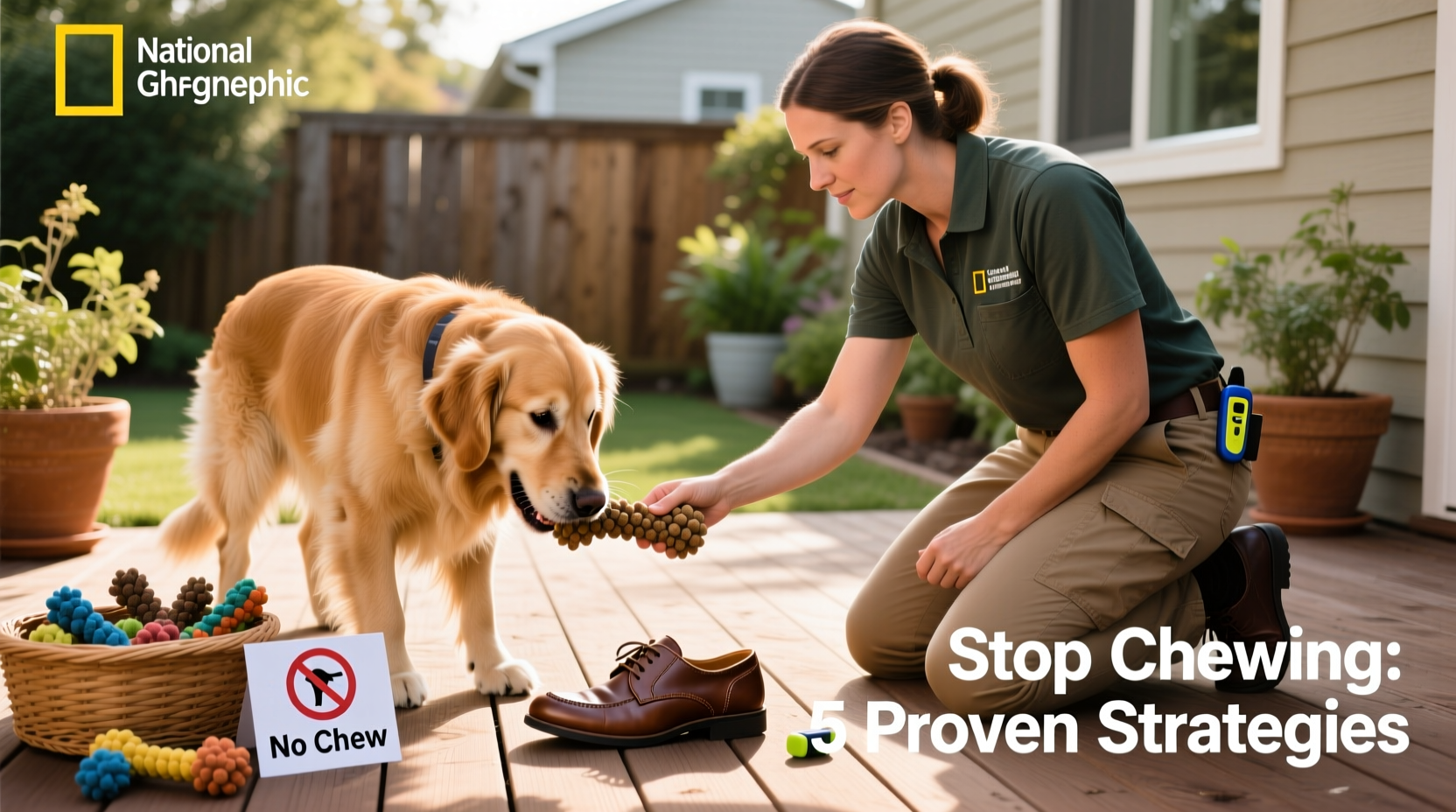
Before addressing the behavior, it's essential to understand the underlying causes. Dogs chew for several reasons:
- Teething (3–6 months): Puppies chew to relieve discomfort as their adult teeth come in.
- Boredom or excess energy: Dogs without sufficient physical or mental stimulation may resort to destructive chewing.
- Anxiety or stress: Separation anxiety, fear, or changes in routine can trigger compulsive chewing.
- Exploration: Puppies and young dogs use their mouths to investigate new objects.
- Lack of training: Without proper guidance, dogs don’t inherently know which items are off-limits.
Addressing the root cause is critical. A dog chewing out of boredom requires different intervention than one acting out of anxiety. Observing when and where the chewing occurs can provide valuable clues.
Tip: Keep a simple log for three days noting when chewing happens, what was chewed, and your dog’s activity beforehand. Patterns often reveal triggers.Step-by-Step Guide to Redirect Chewing Behavior
Effective training doesn't rely on punishment but on redirection, consistency, and reinforcement of desired behaviors. Follow this timeline-based approach:
- Day 1–3: Remove temptation and secure your home. Use baby gates, close bedroom doors, or confine your dog to a safe area when unsupervised. Store shoes, books, cords, and other tempting items out of reach.
- Day 4–7: Introduce appropriate chew toys. Offer a variety of textures—rubber, rope, nylon—and observe your dog’s preferences. Rotate toys weekly to maintain interest.
- Week 2: Begin consistent redirection. When you catch your dog chewing something inappropriate, calmly say “Leave it,” remove the item, and immediately replace it with an approved toy. Praise and treat when they accept the toy.
- Week 3–4: Reinforce positive choices. Use high-value treats (like small pieces of chicken or cheese) when your dog chooses a toy over a forbidden object, even if prompted.
- Ongoing: Build reliability with real-world exposure. Gradually reintroduce tempting items in controlled settings while supervising closely. Reward impulse control.
This method relies on operant conditioning—your dog learns that choosing the right item leads to rewards, while inappropriate chewing leads to no payoff.
Do’s and Don’ts of Managing Destructive Chewing
| Do’s | Don’ts |
|---|---|
| Provide durable, size-appropriate chew toys | Yell at or physically punish your dog after the fact |
| Supervise closely during early training phases | Use human food packaging (e.g., empty chip bags) as toys—they encourage trash chewing |
| Exercise your dog daily to reduce excess energy | Leave your dog unattended in unrestricted areas too soon |
| Rotate toys weekly to prevent boredom | Rely solely on bitter sprays without teaching alternatives |
| Use positive reinforcement consistently | Assume your dog “knows better” after one correction |
Expert Insight on Canine Behavior
“Dogs aren’t being ‘bad’ when they chew your shoes—they’re simply responding to instinct and environment. The key is not suppression, but education. Replace the behavior you dislike with one you can reward.” — Dr. Karen B. London, Certified Applied Animal Behaviorist
Dr. London emphasizes that punitive methods often backfire, increasing fear and confusion. Instead, shaping behavior through positive reinforcement creates lasting change. She notes that many owners underestimate how much mental stimulation dogs require—especially high-energy breeds like Border Collies or Jack Russell Terriers.
Real Example: Training Max, the Labrador Puppy
Max, a 5-month-old Labrador Retriever, had a habit of chewing electrical cords and slippers. His owner, Sarah, tried scolding and spraying bitter apple on cords, but the behavior persisted. After consulting a trainer, she implemented a structured plan:
- Cords were secured behind cord covers or furniture.
- She introduced a frozen Kong filled with peanut butter as a distraction when leaving the house.
- Every time Max picked up a slipper, she calmly redirected him to a rubber bone and praised him lavishly when he chewed it.
- She increased his daily walks and added short training sessions using scent games.
Within three weeks, Max stopped targeting slippers entirely. By week six, he would go to his toy basket when excited instead of grabbing household items. The combination of environmental management, redirection, and enrichment made the difference.
Essential Checklist for Success
Checklist: Stop Destructive Chewing in 6 Steps- ✅ Remove access to tempting items when unsupervised
- ✅ Stock a variety of safe, engaging chew toys
- ✅ Supervise closely and intervene early
- ✅ Redirect chewing to appropriate items with praise
- ✅ Increase daily physical and mental exercise
- ✅ Be consistent—every family member follows the same rules
Frequently Asked Questions
How long does it take to stop a dog from chewing inappropriate items?
Most dogs show improvement within 2–4 weeks with consistent training. Full reliability may take several months, especially for puppies or dogs with ingrained habits. Patience and repetition are essential.
Are bitter sprays effective?
Bitter sprays can be helpful as a temporary deterrent, but they should never be used alone. Pair them with positive reinforcement and environmental management. Some dogs ignore the taste, and others may transfer chewing to untreated items.
My adult dog just started chewing—should I be concerned?
Sudden chewing in an adult dog can signal medical issues (like dental pain), anxiety, or environmental changes (new pet, move, schedule shift). If training doesn’t help, consult your veterinarian to rule out health problems.
Conclusion: Building Better Habits Together
Stopping destructive chewing isn’t about controlling your dog—it’s about guiding them toward better choices. With clear boundaries, consistent reinforcement, and plenty of appropriate outlets, your dog can learn what’s acceptable to chew and what’s not. Remember, every dog is capable of learning, but they depend on you to teach them patiently and fairly. Start today by securing your space, offering satisfying alternatives, and celebrating small wins. Over time, those shredded shoes and gnawed table legs will become distant memories.
💬 Have a success story or challenge with dog chewing? Share your experience in the comments—your insight could help another pet owner turn frustration into progress.








