Dogs chewing their paws is a common yet concerning behavior that can signal underlying physical discomfort, allergies, or emotional distress. While occasional paw licking is normal grooming behavior, persistent chewing often leads to redness, sores, infections, and even hair loss. Addressing this issue requires more than just stopping the symptom—it demands identifying root causes and implementing consistent, holistic strategies. With the right approach, you can help your dog find lasting relief and improve their overall well-being.
Understanding Why Dogs Chew Their Paws
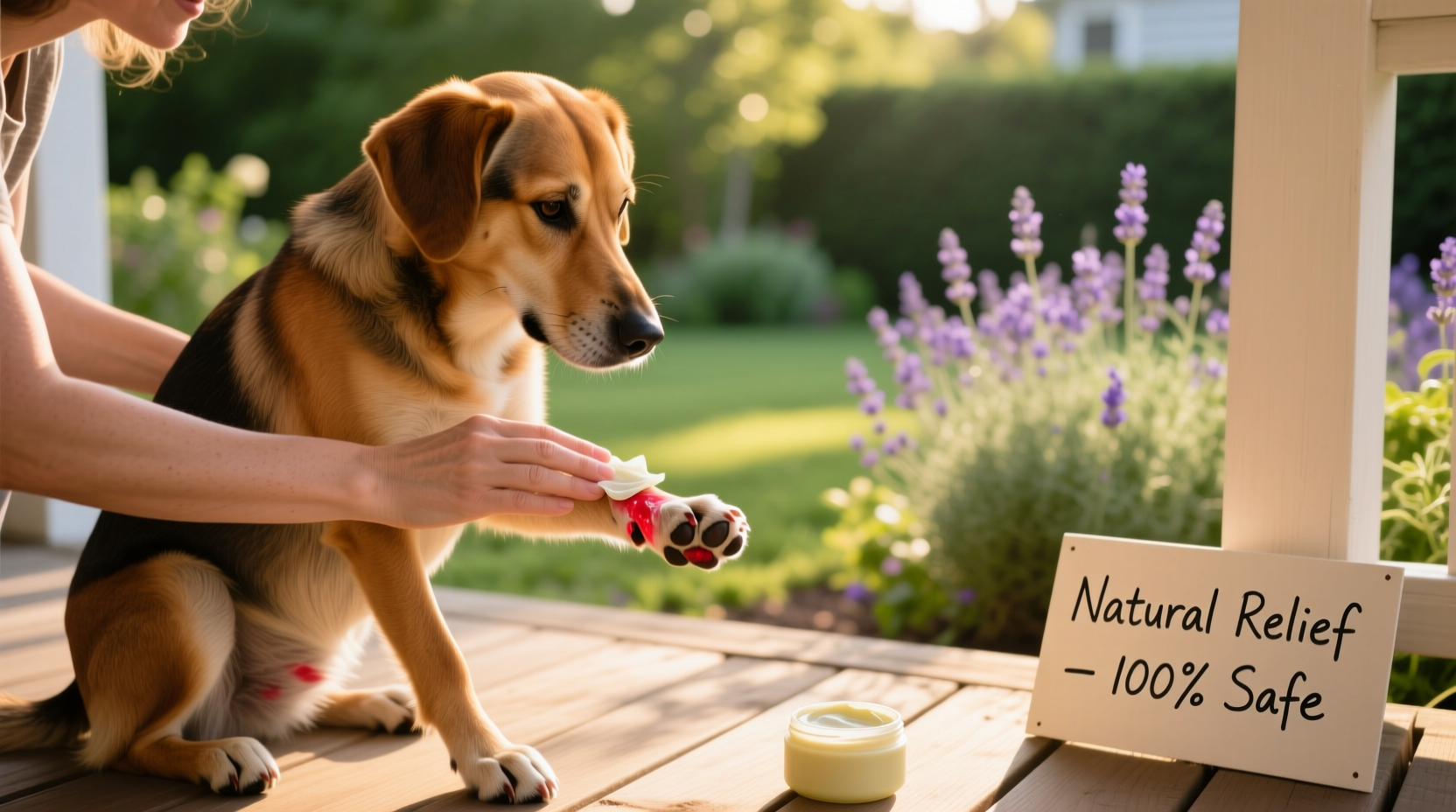
Paw chewing isn’t random; it���s usually a response to an internal or external trigger. The most frequent causes include:
- Allergies: Environmental allergens (pollen, dust mites) or food sensitivities can cause intense itching, particularly in the paws.
- Skin Infections: Bacterial or yeast overgrowth between the toes creates irritation and prompts licking.
- Parasites: Fleas, mites, or ticks can provoke localized itching and discomfort.
- Injuries: Cuts, thorns, cracked pads, or embedded debris lead to focused chewing.
- Anxiety or Boredom: Stress, separation anxiety, or lack of mental stimulation may manifest as compulsive licking.
- Joint Pain: Older dogs with arthritis may lick sore joints, including those in the legs and feet.
Because multiple factors can overlap, a comprehensive evaluation is essential before beginning treatment.
Tip: Keep a daily log of when and how intensely your dog chews their paws—this helps identify patterns related to time of day, activity, or environment.Step-by-Step Guide to Reduce and Eliminate Paw Chewing
Successfully addressing paw chewing involves a methodical process. Follow these steps to ensure long-term improvement:
- Inspect the Paws Daily: Check for cuts, swelling, foreign objects, or signs of infection like odor or discharge.
- Consult Your Veterinarian: Rule out medical conditions such as allergies, infections, or joint issues through a thorough exam and possible lab tests.
- Treat Underlying Conditions: Administer prescribed medications, antifungals, antibiotics, or allergy treatments as directed.
- Implement an Elimination Diet: If food allergies are suspected, switch to a novel protein diet under veterinary supervision for 8–12 weeks.
- Reduce Environmental Allergens: Bathe your dog with hypoallergenic shampoo, wipe paws after walks, and vacuum frequently.
- Increase Mental and Physical Stimulation: Provide puzzle toys, longer walks, training sessions, and playtime to reduce boredom-related chewing.
- Interrupt and Redirect: When you catch your dog chewing, gently redirect them with a toy or command, then reward calm behavior.
- Use Protective Barriers: Consider soft collars (e.g., onesie-style bodysuits) or breathable booties during recovery periods.
Consistency across all eight steps significantly increases the likelihood of success. Rushing or skipping phases—especially veterinary consultation—can result in recurring episodes.
Common Mistakes That Delay Recovery
Even well-meaning owners sometimes make errors that prolong the problem. Avoid these pitfalls:
| Mistake | Why It’s Harmful | Better Alternative |
|---|---|---|
| Using bitter sprays without diagnosis | Ignores pain or infection; may worsen discomfort | Identify cause first, then use deterrents only as part of a broader plan |
| Skipping vet visits | Misses treatable conditions like yeast infections or allergies | Schedule a full dermatological workup |
| Overbathing with harsh shampoos | Strips natural oils, worsening dryness and itch | Use oatmeal or chlorhexidine-based shampoos no more than once every 2–4 weeks |
| Ignoring behavioral components | Leaves anxiety-driven habits unaddressed | Add enrichment activities and consider canine behavior counseling |
Expert Insight on Canine Compulsive Behaviors
“Paw licking can escalate into a self-reinforcing cycle—itching leads to licking, which causes inflammation, which leads to more itching. Breaking this loop early with multimodal treatment improves outcomes dramatically.” — Dr. Lena Reyes, DVM, Veterinary Dermatology Specialist
This feedback loop explains why early intervention is critical. Chronic chewers often develop thickened, darkened skin (lichenification), making treatment more complex over time.
Mini Case Study: Max, the Golden Retriever
Max, a 4-year-old Golden Retriever, began obsessively chewing his front paws each spring. His owner initially assumed it was seasonal dirt exposure and wiped his feet after walks. When raw patches developed, a vet visit revealed elevated IgE levels indicating environmental allergies. A treatment plan was implemented:
- Weekly medicated baths
- Daily omega-3 fatty acid supplements
- Custom allergy immunotherapy injections
- Increased off-leash exercise to reduce stress
- Paw balm applied post-walk
Within three months, Max’s chewing decreased by 90%. By the following year, he required only maintenance care. This case underscores the importance of professional diagnosis and layered treatment.
Checklist: Action Plan for Paw-Chewing Dogs
Use this checklist to stay organized and proactive:
- ✅ Schedule a veterinary appointment for a full physical and skin evaluation
- ✅ Collect photos or video of the chewing behavior to show your vet
- ✅ Begin daily paw inspections and cleanings with pet-safe wipes
- ✅ Introduce mental enrichment tools (snuffle mats, chew puzzles)
- ✅ Eliminate potential allergens: wash bedding weekly, use air purifiers
- ✅ Track progress with notes on frequency and severity of chewing
- ✅ Re-evaluate after 4–6 weeks and adjust the plan if needed
Frequently Asked Questions
Is it safe to let my dog lick their paws occasionally?
Yes, light grooming is normal. Concern arises when licking becomes constant, focused on one area, or leads to visible damage. Monitor duration and intensity—if your dog spends more than 5–10 minutes at a time licking, it’s worth investigating.
Can anxiety really cause paw chewing?
Absolutely. Dogs under stress may develop compulsive behaviors similar to human habits like nail-biting. Common triggers include changes in routine, loud noises, or being left alone. Behavioral modification training and calming aids (e.g., pheromone diffusers) can help manage anxiety-related chewing.
Are certain breeds more prone to paw chewing?
Yes. Breeds with dense fur between toes (like Poodles, Bichons, and Shih Tzus) trap allergens and moisture, increasing infection risk. High-energy breeds such as German Shepherds or Border Collies may also chew due to unmet mental stimulation needs.
Conclusion: A Path to Lasting Relief
Stopping your dog from chewing their paws isn’t about quick fixes—it’s about understanding their needs and responding with compassion and consistency. Whether the cause is medical, environmental, or emotional, the solution lies in a tailored, multi-pronged strategy. With patience and proper care, most dogs can overcome this habit and live comfortably. Don’t wait for sores to appear; act at the first sign of excessive licking. Your dog’s health and happiness depend on it.
💬 Have a story about how you helped your dog stop chewing their paws? Share your experience in the comments—your insight could help another pet owner find relief.








