
Dogs may chew on their paws, legs, tail, or flanks for a variety of reasons—some rooted in physical discomfort, others in emotional distress. While occasional licking is normal grooming behavior, persistent or obsessive chewing can lead to raw skin, infections, and significant pain. Addressing this issue requires more than just stopping the symptom; it demands identifying and treating the underlying cause. This guide outlines practical, science-backed approaches to help you understand why your dog is chewing and how to effectively intervene.
Understanding Why Dogs Chew Themselves
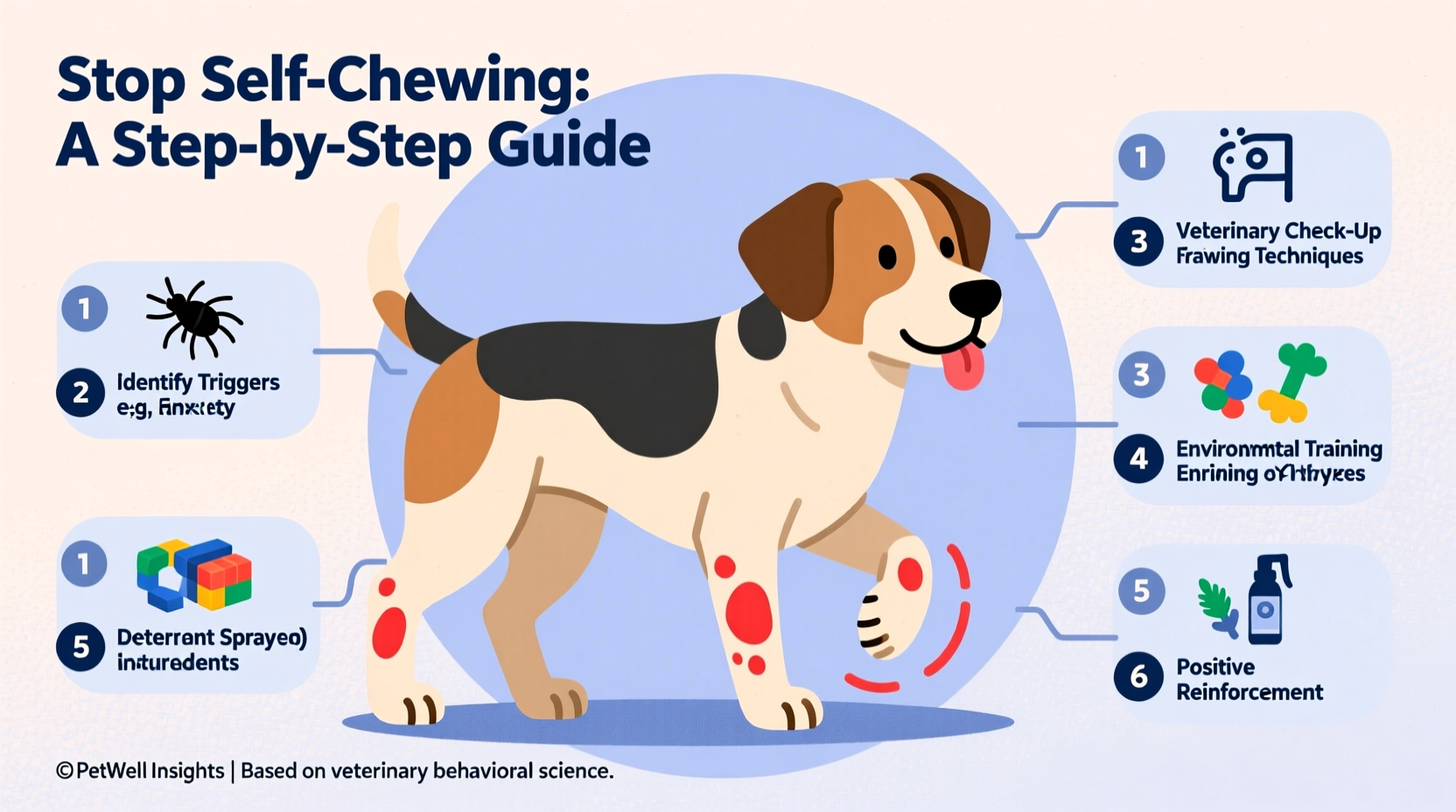
Self-chewing in dogs is rarely a behavioral quirk without cause. It’s typically a response to discomfort. The most common triggers fall into three categories: medical, allergic, and psychological.
- Medical conditions: Skin infections, parasites (like fleas or mites), arthritis, or wounds can prompt dogs to chew at affected areas.
- Allergies: Environmental allergens (pollen, dust mites) or food sensitivities often manifest as itchy skin, leading to chewing.
- Anxiety or boredom: Dogs left alone for long periods, especially those with high energy or separation anxiety, may resort to self-chewing as a coping mechanism.
Ignoring the behavior or only using physical deterrents like cones can delay proper treatment and worsen the condition. A thorough evaluation is essential before implementing corrective strategies.
Tip: Record a short video of your dog chewing when unsupervised. This can help your veterinarian identify patterns or triggers.Step-by-Step Guide to Stopping Self-Chewing Behavior
Resolving self-chewing involves a structured approach that combines observation, veterinary consultation, environmental adjustment, and consistent training. Follow these steps methodically:
- Observe and document: Note when, where, and how intensely your dog chews. Is it after meals? During storms? Only on certain limbs?
- Schedule a vet visit: Rule out medical issues such as yeast infections, flea allergy dermatitis, or joint pain through blood work, skin scrapings, or allergy testing.
- Implement parasite control: Use vet-recommended flea, tick, and mite preventatives—even if you don’t see pests. Some dogs react severely to a single flea bite.
- Adjust diet if needed: If food allergies are suspected, your vet may recommend an elimination diet lasting 8–12 weeks.
- Address environmental factors: Reduce exposure to pollen, dust, or household cleaners. Wash bedding weekly in hypoallergenic detergent.
- Enrich mental and physical activity: Provide daily walks, puzzle toys, and interactive games to reduce stress-related chewing.
- Interrupt and redirect: When you catch your dog chewing, calmly redirect them to a toy or command-based task.
When to Consider Behavioral Therapy
If medical causes are ruled out and the chewing persists, compulsive behavior may be the culprit. Conditions like acral lick dermatitis (lick granuloma) often require intervention from a certified veterinary behaviorist. Treatment may include anti-anxiety medication, pheromone diffusers, or cognitive-behavioral techniques.
“Persistent self-trauma in dogs is a red flag. It’s not laziness or stubbornness—it’s a cry for help. Early diagnosis can prevent chronic skin damage.” — Dr. Lena Torres, DVM, Veterinary Dermatology Specialist
Do’s and Don’ts: Managing Self-Chewing in Dogs
| Do’s | Don’ts |
|---|---|
| Use an Elizabethan collar temporarily to prevent further injury while diagnosing the cause | Leave the cone on indefinitely without addressing root causes |
| Wash your dog’s paws after walks to remove allergens | Use human shampoos or harsh soaps on irritated skin |
| Provide chew toys designed for anxiety relief | Punish your dog for chewing—this increases stress and worsens the behavior |
| Maintain a consistent routine to reduce anxiety | Ignore signs of infection like odor, swelling, or bleeding |
| Follow up with your vet during treatment | Stop medication or diet changes prematurely |
Real-Life Example: Max, the Labrador with Lick Granuloma
Max, a 5-year-old Labrador Retriever, began obsessively licking his right front paw after his owner returned to full-time office work. Initially dismissed as boredom, the area became inflamed and ulcerated over two months. A vet visit revealed no infection or allergy, but radiographs showed early signs of osteoarthritis. Combined with separation anxiety, the mild joint pain triggered compulsive licking.
His treatment plan included:
- A prescription NSAID for pain management
- A gradual desensitization program to being alone
- Daily low-impact exercise and a raised food bowl to reduce strain
- An anxiety vest and calming diffuser at home
Checklist: Action Plan to Stop Self-Chewing
Use this checklist to ensure you’re covering all bases in addressing your dog’s chewing:
- ✅ Schedule a veterinary exam to rule out medical causes
- ✅ Test for food or environmental allergies
- ✅ Start a monthly parasite prevention protocol
- ✅ Assess your dog’s daily mental and physical stimulation
- ✅ Eliminate known stressors (e.g., loud noises, irregular schedule)
- ✅ Introduce puzzle feeders, chew toys, or training sessions
- ✅ Monitor skin condition and photograph changes weekly
- ✅ Consult a veterinary behaviorist if progress stalls
Frequently Asked Questions
Why is my dog chewing only one spot?
Localized chewing often indicates a specific issue such as an insect bite, foreign object (like a splinter), joint pain, or localized infection. It can also develop into a compulsive habit once the original trigger is gone.
Can diet really affect my dog’s itching and chewing?
Yes. Food allergies to ingredients like beef, chicken, dairy, or grains can cause skin inflammation and intense itching. An elimination diet under veterinary supervision is the most reliable way to diagnose food sensitivities.
Is it safe to use bitter sprays to deter chewing?
Bitter apple or citrus-based sprays can be used temporarily on bandages or collars, but they should never replace diagnosis and treatment. Avoid applying them directly to open wounds, and discontinue use if irritation occurs.
Conclusion: A Compassionate, Consistent Approach Works Best
Stopping a dog from chewing on himself isn’t about discipline—it’s about detective work, care, and consistency. Whether the cause is a hidden allergy, a sore joint, or loneliness, your dog depends on you to listen to what their behavior is telling you. With patience, professional guidance, and targeted interventions, most dogs can find relief and return to healthy, comfortable living.
💬 Have you successfully helped your dog overcome self-chewing? Share your story in the comments—your experience could guide another pet owner toward a solution.








