
Cat urine accidents in the home are more than just a cleaning challenge—they can signal underlying health, behavioral, or environmental issues. While it's tempting to react with frustration, understanding why your cat is urinating outside the litter box is the first step toward a permanent solution. This guide outlines five proven, science-backed strategies to stop inappropriate urination, restore your cat’s bathroom habits, and create a cleaner, calmer household.
1. Rule Out Medical Issues Immediately
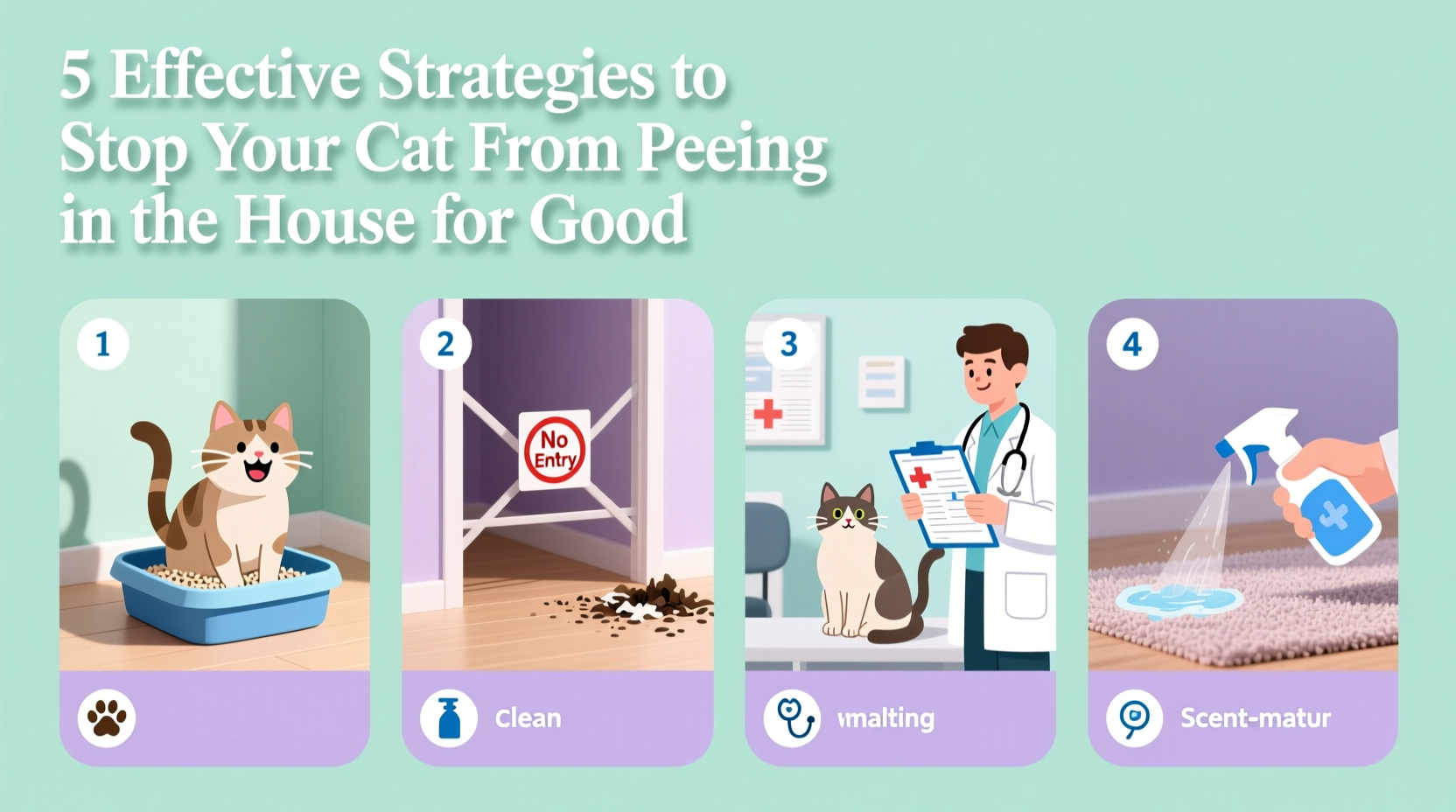
Before assuming behavioral causes, consult a veterinarian. Inappropriate urination is often linked to medical conditions such as urinary tract infections (UTIs), bladder stones, kidney disease, or diabetes. These conditions cause discomfort during urination, prompting cats to associate pain with the litter box and avoid it.
Symptoms that suggest a medical problem include:
- Straining or crying while urinating
- Frequent trips to the litter box with little output
- Blood in the urine
- Licking the genital area excessively
- Changes in water intake or appetite
“Any sudden change in elimination behavior warrants a veterinary exam. Treating the underlying condition often resolves the house-soiling issue.” — Dr. Lena Torres, DVM, Feline Behavior SpecialistTip: Keep a journal of your cat’s urination patterns, including location, frequency, and behavior, to share with your vet.
2. Optimize Litter Box Setup and Maintenance
Cats are naturally fastidious. A poorly maintained or inconveniently placed litter box can drive them to seek alternatives. The standard advice—“one box per cat plus one”—still holds true. But beyond quantity, consider quality.
Key Litter Box Best Practices:
- Clean daily: Scoop waste at least once every 24 hours.
- Location matters: Place boxes in quiet, low-traffic areas away from loud appliances.
- Avoid covered boxes if your cat seems hesitant: Some cats feel trapped or dislike confined spaces.
- Use unscented, clumping litter: Most cats prefer fine-grained, odor-free substrates.
- Ensure easy access: Older or arthritic cats may struggle with high-sided boxes—consider a low-entry option.
| Factor | Do | Avoid |
|---|---|---|
| Number of Boxes | One per cat + one extra | Only one box for multiple cats |
| Litter Type | Unscented clumping clay or paper-based | Scented, crystal, or sand-like litters |
| Cleaning Frequency | Daily scooping, full change monthly | Infrequent cleaning or strong chemical cleaners |
| Placement | Quiet, accessible, multiple floors | Near noisy washer/dryer or food bowls |
3. Reduce Stress and Environmental Triggers
Cats are sensitive to changes in their environment. Relocations, new pets, construction noise, or even rearranged furniture can trigger anxiety-related urination. Stress disrupts a cat’s sense of security, leading them to mark territory with urine.
Common stressors include:
- New people or pets in the home
- Windows facing outdoor cats
- Loud noises or routine disruptions
- Multi-cat household conflicts
To minimize stress:
- Use pheromone diffusers like Feliway to promote calmness.
- Provide vertical space (cat trees, shelves) for safe observation.
- Introduce new pets or people gradually with scent-swapping techniques.
- Keep feeding and sleeping areas separate from litter zones.
4. Clean Accidents Thoroughly to Prevent Recurrence
Improper cleanup leaves behind invisible urine residues that contain pheromones. Cats have an acute sense of smell and will return to the same spot if they detect their own scent.
Step-by-Step Urine Cleanup Protocol:
- Blot fresh urine with paper towels—do not rub.
- Apply an enzymatic cleaner specifically designed for pet urine (e.g., Nature's Miracle, Rocco & Roxie).
- Soak the area thoroughly and allow it to air dry—do not use heat or fans, which can set odors.
- Repeat if necessary, especially on carpets or upholstery.
- Avoid ammonia-based or vinegar cleaners—they mimic urine scent and attract cats back.
“Enzymatic cleaners break down urea and uric acid crystals. Regular household cleaners only mask the smell—they don’t eliminate the signal.” — Dr. Alan Prescott, Veterinary Dermatology Consultant
For persistent stains or deep carpet padding contamination, consider professional steam cleaning or replacing the affected section.
5. Address Marking vs. Elimination Confusion
Not all indoor urination is the same. Understanding whether your cat is marking or simply eliminating is crucial for choosing the right intervention.
Differences Between Marking and Elimination:
- Marking: Small amounts of urine sprayed on vertical surfaces (walls, furniture), often with tail quivering. Common in unneutered males but can occur in spayed females under stress.
- Elimination: Larger puddles on horizontal surfaces (rugs, beds), squatting posture. Usually related to litter box dissatisfaction or medical issues.
If marking is the issue:
- Neuter or spay your cat—this reduces spraying in over 90% of cases.
- Limit access to windows or doors where outdoor cats are visible.
- Use motion-activated deterrents (e.g., Ssscat spray device) on repeat-offense areas.
Mini Case Study: Resolving Multi-Cat Tension
Sarah adopted a second cat, Luna, hoping her resident cat Milo would enjoy companionship. Within weeks, Milo began urinating on the bedroom rug. After ruling out medical causes, Sarah observed that Milo avoided the single litter box near Luna’s feeding area.
She implemented the following changes:
- Added a second litter box on the opposite side of the house.
- Installed a Feliway diffuser in the living room.
- Created separate feeding and resting zones.
- Used enzymatic cleaner on the rug twice.
Within three weeks, the accidents stopped. Milo resumed normal litter box use, and gradual supervised interactions improved their relationship.
Checklist: Stop Cat Peeing in the House – 7-Day Action Plan
- 📅 Day 1: Schedule a vet visit to rule out medical causes.
- 📅 Day 2: Count cats and add additional litter boxes as needed.
- 📅 Day 3: Clean all previous accident sites with enzymatic cleaner.
- 📅 Day 4: Assess litter type and box placement; make improvements.
- 📅 Day 5: Introduce pheromone diffusers in high-stress areas.
- 📅 Day 6: Observe your cat’s behavior—note triggers or avoidance patterns.
- 📅 Day 7: Re-evaluate progress and adjust environment as needed.
FAQ
Why does my cat pee on my bed but not elsewhere?
Your bed carries your scent, making it a target for territorial marking. It may also be soft and absorbent, mimicking litter texture. This behavior often signals stress or a desire to be closer to you despite conflict.
Can I use vinegar to clean cat urine?
No. Vinegar has an acidic smell that can resemble ammonia (a component of urine) to cats, encouraging re-soiling. Always use enzymatic cleaners instead.
Will neutering stop my cat from peeing indoors?
In many cases, yes—especially for male cats. Neutering reduces hormone-driven spraying by up to 90%. However, if the behavior has become habitual or stress-related, additional interventions are needed.
Conclusion
Stopping your cat from peeing in the house isn’t about punishment—it’s about empathy, consistency, and smart environmental design. By addressing health concerns, optimizing litter logistics, reducing stress, and cleaning properly, you can resolve the issue permanently. Remember, every accident is a message. Listen closely, act thoughtfully, and you’ll rebuild trust and cleanliness in your home.
💬 Have a success story or lingering question? Share your experience below—your insight could help another cat owner find relief.








