Male cat spraying is one of the most frustrating behaviors pet owners face. Unlike regular urination, spraying involves a cat backing up to a vertical surface, lifting its tail, and releasing small amounts of urine—often with a strong odor—to mark territory. While natural from an instinctual standpoint, indoor spraying can damage property, create health concerns, and strain the human-animal bond. The good news: with the right approach, this behavior is highly manageable. This guide breaks down the root causes, evidence-based interventions, and practical steps to stop male cat spraying for good.
Understanding Why Male Cats Spray
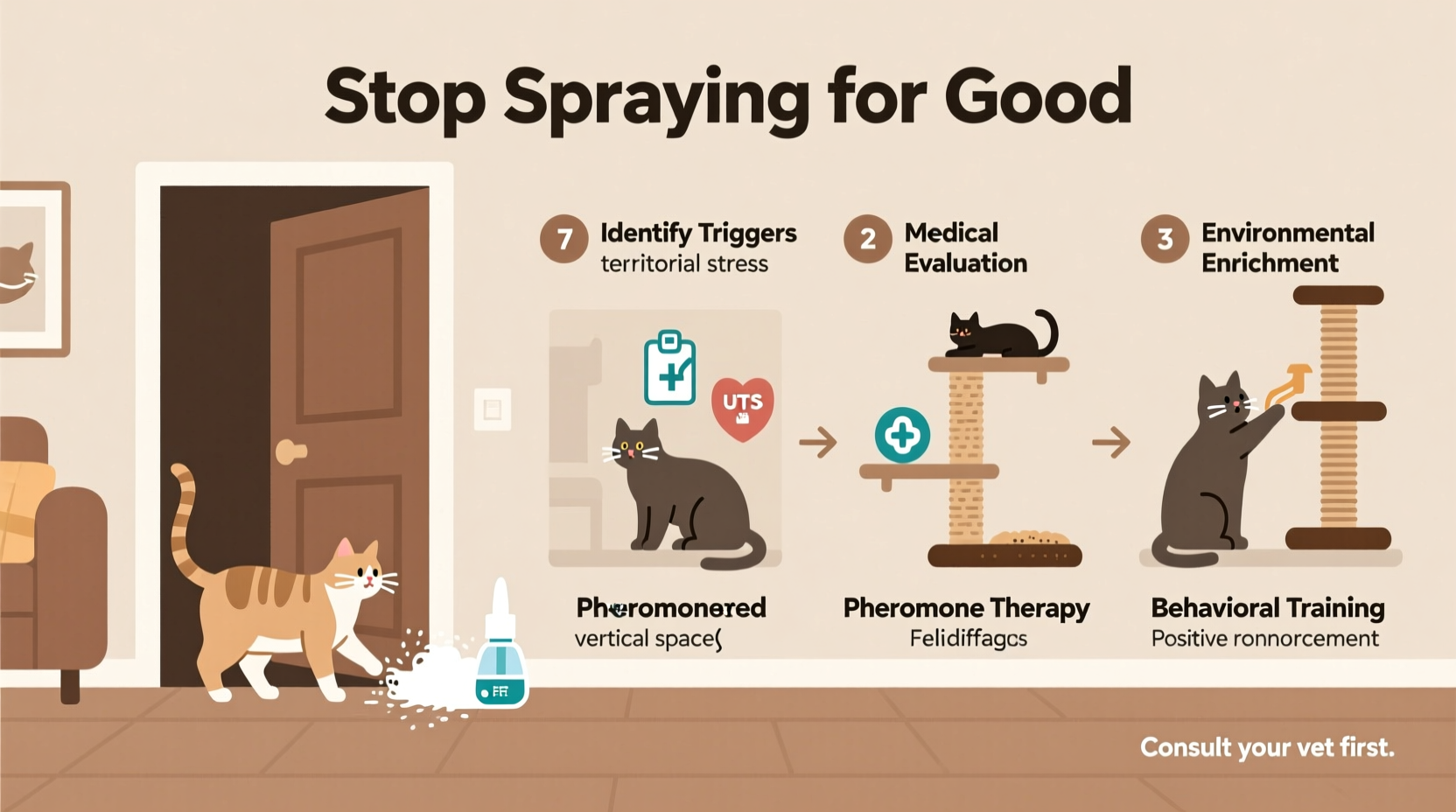
Spraying is primarily a form of communication. Cats use scent marking to establish boundaries, signal reproductive availability, or respond to stress. Unneutered males are most prone to spraying, but even neutered cats may continue or start due to environmental or emotional triggers.
Common causes include:
- Sexual signaling: Intact males spray to attract mates.
- Stress or anxiety: Changes in household dynamics, new pets, or moving can trigger spraying.
- Territorial disputes: Multi-cat households often see spraying as competition escalates.
- Litter box dissatisfaction: Dirty boxes, wrong location, or type of litter can lead to avoidance and marking elsewhere.
- Environmental changes: New furniture, visitors, or construction may unsettle a cat.
“Spraying isn’t defiance—it’s communication. Decoding the message behind the behavior is key to resolving it.” — Dr. Sarah Thompson, DVM, Feline Behavior Specialist
Neutering: The First Line of Defense
For unaltered male cats, neutering is the single most effective intervention. Studies show that approximately 87% of intact males stop spraying within six months after being neutered. The procedure reduces testosterone-driven territorial urges significantly.
However, if a cat has been spraying for an extended time before neutering, the behavior may persist due to learned habits or ongoing environmental stressors. In these cases, surgical intervention alone is insufficient—behavioral modification becomes essential.
Tip: Neuter your male cat by 5–6 months of age to prevent spraying from becoming a habit.Step-by-Step Guide to Eliminate Spraying Behavior
Stopping indoor spraying requires a systematic approach. Follow this five-step plan for best results:
- Confirm it's spraying, not inappropriate urination. Look for signs: tail quivering, backward stance, small urine volume on walls or furniture. Medical issues like UTIs must be ruled out first with a vet visit.
- Thoroughly clean all sprayed areas. Use enzymatic cleaners (e.g., Nature's Miracle) that break down odor-causing proteins. Avoid ammonia-based products—they mimic urine and encourage re-marking.
- Neuter the cat if not already done. Schedule the procedure promptly and allow 4–6 weeks for hormone levels to drop.
- Reduce stress and increase environmental security. Provide vertical space (cat trees), hiding spots, and consistent routines. Use pheromone diffusers like Feliway to promote calmness.
- Modify access and deter repeat offenses. Block off previously sprayed zones temporarily, cover surfaces with aluminum foil or plastic, or use motion-activated deterrents.
Creating a Low-Stress Environment
Cats are sensitive to their surroundings. A stable, enriched environment minimizes anxiety—the leading cause of persistent spraying in neutered males.
Key elements of a cat-friendly home include:
- Dedicated spaces for eating, sleeping, and eliminating (litter boxes should be in quiet, low-traffic areas).
- One litter box per cat plus one extra, scooped daily and fully changed weekly.
- Multiple scratching posts and climbing structures to assert control over territory.
- Consistent feeding times and minimal disruption to routine.
| Do | Don't |
|---|---|
| Use unscented, clumping litter | Change litter type abruptly |
| Place litter boxes in separate rooms | Put food and litter boxes next to each other |
| Introduce new pets gradually | Force interactions between anxious cats |
| Use Feliway diffusers in common areas | Yell at or punish the cat for spraying |
Real-Life Example: Resolving Spraying in a Multi-Cat Home
Mark and Lisa adopted a second cat, Luna, hoping their resident male, Oliver, would enjoy feline company. Within two weeks, Oliver began spraying near the living room windows and bedroom door. Despite cleaning efforts, the behavior continued.
They consulted a veterinary behaviorist who recommended:
- Separating the cats temporarily with scent-swapping (exchanging bedding).
- Installing Feliway diffusers in shared zones.
- Adding a third litter box and a tall cat tree near the window.
- Supervised reintroductions using treats and play.
Within three weeks, Oliver stopped spraying. The gradual reintroduction and improved environmental resources helped him feel secure. Today, the cats nap together regularly.
When to Seek Professional Help
If spraying persists despite environmental adjustments and neutering, consult your veterinarian. Underlying medical conditions such as urinary tract infections, kidney disease, or hyperthyroidism can contribute to marking behavior.
In cases of chronic anxiety, your vet may recommend anti-anxiety medications like fluoxetine (Reconcile) or paroxetine, used alongside behavioral therapy. These are typically short-term aids while long-term environmental fixes take effect.
“Medication isn’t a cure-all, but when paired with environmental enrichment, it can reset a cat’s stress threshold and make behavioral training more effective.” — Dr. Alan Pierce, Veterinary Behavioral Medicine
Checklist: Action Plan to Stop Indoor Spraying
Follow this checklist to address spraying comprehensively:
- ✅ Rule out medical issues with a vet exam and urinalysis.
- ✅ Neuter the cat if not already done.
- ✅ Clean all sprayed areas with enzymatic cleaner.
- ✅ Provide one litter box per cat plus one extra.
- ✅ Place boxes in quiet, accessible locations.
- ✅ Use Feliway or similar synthetic pheromone diffusers.
- ✅ Increase vertical space and hiding spots.
- ✅ Reduce household stressors (e.g., loud noises, frequent guests).
- ✅ Monitor interactions in multi-cat homes; separate if needed.
- ✅ Consult a veterinary behaviorist if no improvement in 4–6 weeks.
Frequently Asked Questions
Can a neutered male cat still spray?
Yes. While neutering drastically reduces the likelihood, some neutered males continue spraying due to stress, past habit, or social conflict with other pets. Environmental management is critical in these cases.
How long does it take for a cat to stop spraying after neutering?
Most cats reduce or stop spraying within 6 weeks to 3 months post-neutering. If the behavior continues beyond this window, underlying stressors or learned habits likely need addressing.
Are there natural remedies to stop cat spraying?
While no natural remedy stops spraying outright, reducing stress through routine, play, and pheromone diffusers can help. Avoid essential oils—they are toxic to cats. Stick to vet-approved products like Feliway.
Conclusion: Regain Control and Restore Harmony
Stopping male cat spraying isn’t about quick fixes—it’s about understanding your cat’s needs and creating a safe, predictable environment. With patience, consistency, and the right strategies, most cats can overcome this behavior. Start with neutering, eliminate odors thoroughly, and focus on reducing stress. Track progress, celebrate small wins, and don’t hesitate to seek professional support when needed.
💬 Have you successfully stopped your cat from spraying? Share your story or tips in the comments—your experience could help another frustrated pet owner find relief.








