Dogs that chew or lick at their paws, flanks, or tails may seem to be engaging in harmless grooming, but persistent self-chewing is often a sign of deeper physical or emotional distress. Left unaddressed, this behavior can lead to skin infections, hair loss, and chronic discomfort. Understanding why dogs chew themselves—and how to intervene effectively—is essential for responsible pet care. This guide explores the root causes of compulsive chewing and offers practical, science-backed strategies to restore your dog’s well-being.
Understanding Why Dogs Chew Themselves
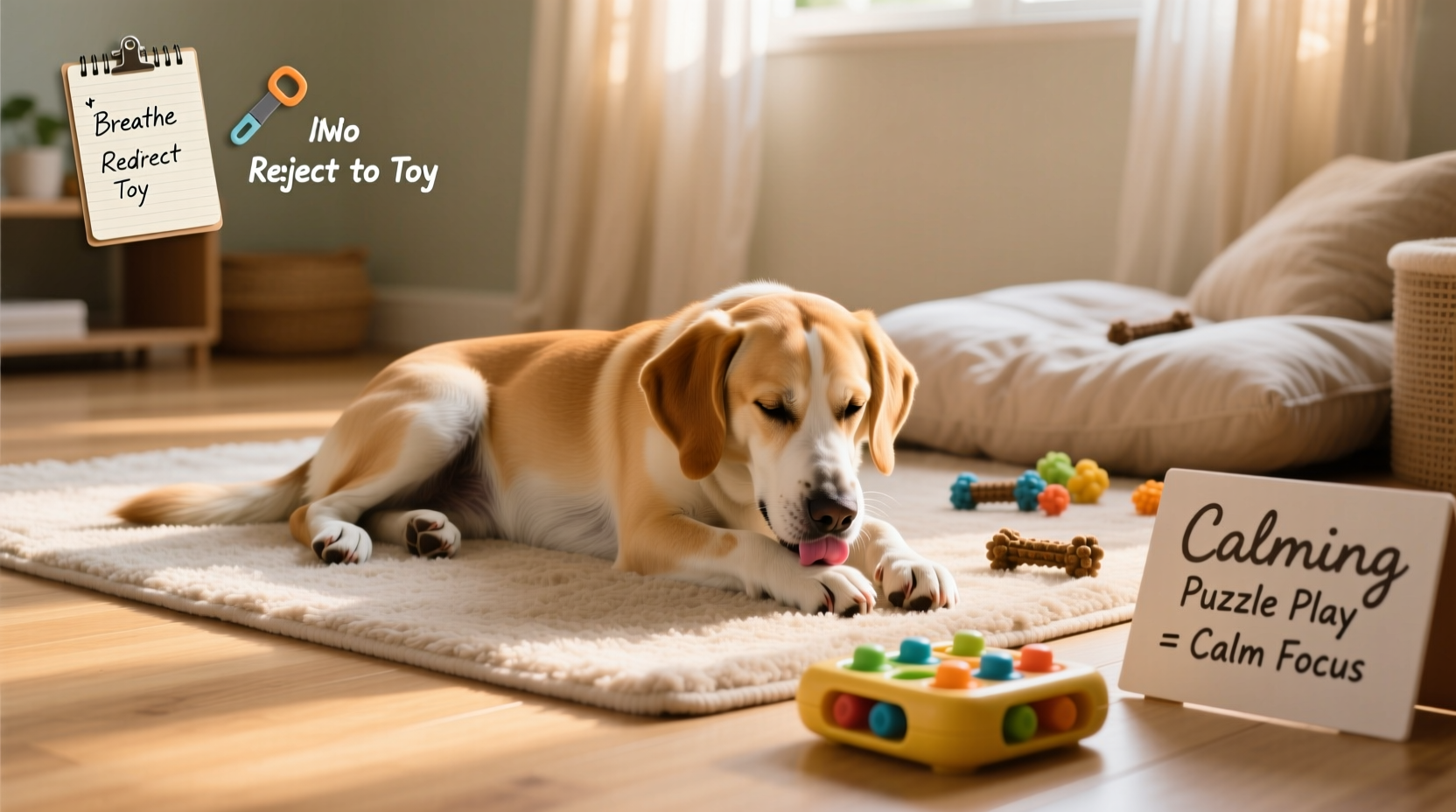
Dog self-chewing typically falls into three broad categories: medical issues, allergies, and behavioral problems. Identifying the underlying cause is the first step toward an effective solution.
- Medical conditions: Skin infections, parasites (like fleas or mites), joint pain, or wounds can trigger localized chewing.
- Allergies: Environmental allergens (pollen, dust) or food sensitivities often manifest as itchy skin, prompting dogs to chew for relief.
- Behavioral triggers: Anxiety, boredom, or obsessive-compulsive disorder (OCD) can lead to repetitive licking and chewing, especially in high-stress environments.
It's not uncommon for multiple factors to coexist. For example, a dog with mild anxiety might begin chewing during a thunderstorm, then develop a skin infection from excessive licking, which further intensifies the behavior.
Tip: Monitor when and where your dog chews—this pattern can reveal whether the cause is environmental, situational, or physical.Step-by-Step Guide to Addressing Self-Chewing
Resolving self-chewing requires a systematic approach. Follow these steps to identify and treat the issue comprehensively.
- Observe and document behavior: Note frequency, location, duration, and any triggers (e.g., after walks, during storms).
- Schedule a veterinary exam: Rule out infections, parasites, or arthritis through blood work, skin scrapings, or allergy testing.
- Review diet: Transition to a limited-ingredient or hypoallergenic food if food allergies are suspected.
- Implement environmental controls: Use air purifiers, wash bedding frequently, and avoid known allergens.
- Address behavioral components: Increase exercise, provide mental stimulation, and consider professional training or anti-anxiety aids.
This timeline ensures no potential cause is overlooked. Rushing to behavioral solutions without ruling out medical concerns can delay recovery.
Effective Prevention and Comfort Strategies
Once immediate causes are treated, focus shifts to preventing recurrence and enhancing your dog’s overall comfort.
Environmental Enrichment
Dogs left alone for long periods may chew due to boredom. Rotate interactive toys, use puzzle feeders, and schedule regular play sessions to keep them mentally engaged.
Physical Barriers and Alternatives
In the short term, Elizabethan collars (E-collars) or soft recovery suits can prevent access to irritated areas while healing occurs. However, these should never replace treatment—they’re tools, not cures.
Dietary Adjustments
Fatty acids like omega-3 and omega-6 support skin health. Supplements such as fish oil or vet-recommended dermatological diets can reduce inflammation and improve coat resilience.
| Strategy | Effectiveness | Time to See Results |
|---|---|---|
| Veterinary diagnosis & treatment | High (if cause is medical) | Days to weeks |
| Hypoallergenic diet | Moderate to high | 4–8 weeks |
| Increased exercise & enrichment | High (for behavioral cases) | 1–3 weeks |
| Anti-anxiety medication | Moderate (requires vet oversight) | 2–6 weeks |
Expert Insight and Real-World Example
“Chronic licking and chewing are often the dog’s only way to communicate discomfort. As veterinarians, we see too many cases where behavioral labels are applied before medical causes are ruled out.” — Dr. Lena Patel, DVM, Board-Certified Veterinary Dermatologist
Mini Case Study: Max, the Labrador with Itchy Paws
Max, a 4-year-old yellow Labrador, began obsessively chewing his front paws after moving to a suburban home with a grassy yard. His owner initially assumed it was a habit, but over time, Max developed raw, inflamed skin between his toes.
A veterinary dermatologist performed an intradermal allergy test and discovered Max was highly sensitive to grass pollen and dust mites. The treatment plan included:
- Wiping paws with a pet-safe wipe after every outdoor session
- Switching to a hydrolyzed protein diet
- Using a prescription medicated shampoo twice weekly
- Administering a monthly immunomodulator (Cytopoint®)
Within six weeks, Max’s paw licking decreased by 90%. His owner also introduced daily nose-work games to redirect residual stress. Today, Max enjoys outdoor time with minimal discomfort.
Tip: Even if allergies are confirmed, combining medical treatment with behavioral support yields the best outcomes.Common Mistakes to Avoid
Well-meaning owners sometimes worsen the problem through unintentional missteps. Be mindful of the following:
- Delaying veterinary consultation: Assuming it’s “just anxiety” can allow infections to progress.
- Over-bathing: Frequent washing strips natural oils, worsening dryness and itchiness.
- Using human creams: Products containing hydrocortisone or fragrances can be toxic if ingested.
- Punishing the behavior: Chewing is a symptom, not defiance. Scolding increases anxiety and exacerbates the issue.
Checklist: Action Plan for Dog Owners
Use this checklist to ensure you're covering all bases when addressing self-chewing:
- ✅ Schedule a full veterinary check-up including skin and allergy evaluation
- ✅ Document chewing episodes (time, location, possible triggers)
- ✅ Switch to a hypoallergenic or novel-protein diet for 8 weeks (no treats!)
- ✅ Introduce daily mental stimulation (training, puzzles, scent games)
- ✅ Clean bedding weekly in hot water; vacuum living areas frequently
- ✅ Use a cone or recovery suit temporarily if lesions are present
- ✅ Consult a certified animal behaviorist if anxiety is suspected
FAQ
Can stress really make my dog chew itself?
Yes. Dogs under chronic stress—due to separation, noise, or changes in routine—may develop compulsive behaviors like licking or chewing. These actions release endorphins, providing temporary relief. Managing stress through routine, training, and safe spaces is crucial.
How long does it take to see improvement?
Improvement timelines vary. Medical treatments may show results in days, while dietary changes or behavioral modifications often take 4–8 weeks. Consistency is key—interrupting the process can reset progress.
Are certain breeds more prone to self-chewing?
Yes. Breeds like German Shepherds, Retrievers, and Terriers have higher rates of environmental allergies. Dobermans and Bull Terriers are predisposed to compulsive disorders. However, any dog can develop the behavior under the right conditions.
Conclusion
Stopping a dog from chewing itself isn’t about suppressing a bad habit—it’s about listening to what the dog is trying to tell you. Whether the root lies in a flea bite, a bowl of kibble, or a lonely afternoon, compassionate, informed action can restore comfort and prevent long-term damage. By combining veterinary insight with consistent care and environmental support, you create a foundation for lasting wellness.
🚀 Take the next step today: Observe your dog’s behavior for one full day, jot down chewing patterns, and schedule a vet visit if needed. Small actions now can prevent bigger problems later.








