A dog slipping off its leash during a walk on a busy street or near traffic—commonly referred to as \"on wag\"—is one of the most stressful moments for any pet owner. The immediate danger isn't just to the dog but also to drivers, pedestrians, and other animals nearby. Reacting quickly and wisely can mean the difference between a close call and a tragedy. While prevention is always best, knowing how to respond when your dog escapes is essential for every responsible owner.
This guide outlines practical, humane, and proven techniques to safely recover a loose dog in high-risk environments. These strategies combine behavioral understanding, situational awareness, and emergency preparedness to help you act with confidence when seconds count.
Stay Calm: The First and Most Important Step
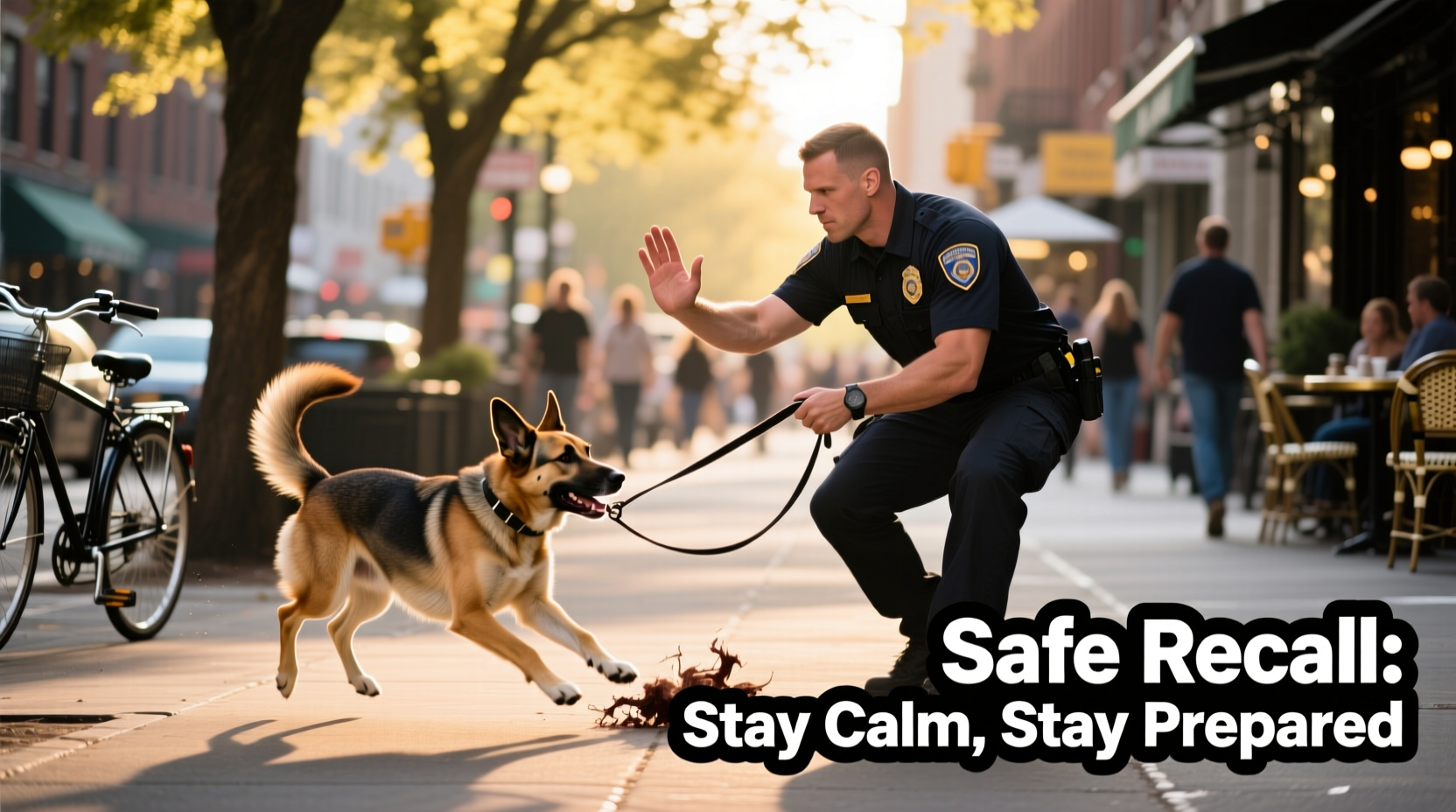
Panic clouds judgment. When a dog breaks free, owners often shout, chase, or freeze—all of which can worsen the situation. Dogs under stress interpret frantic behavior as a threat, triggering flight responses. Remaining calm allows you to think clearly and act strategically.
Take a deep breath. Assess the surroundings: Is the dog near traffic? Is it running toward a road, park, or residential area? Knowing the environment helps determine your next move. Avoid screaming your dog’s name repeatedly—it may overstimulate them and cause erratic movement.
Tip: Practice controlled breathing techniques before walks so you’re mentally prepared for emergencies.Use Positive Recall Cues, Not Commands
Dogs trained with positive reinforcement are more likely to return when called—even in stressful situations. However, standard commands like “Come!” may not work if the dog is startled or excited. Instead, use happy, high-pitched tones or unique recall cues such as “Let’s go for treats!” or “Time to go home!” paired with jingling keys or a treat bag.
Many trainers recommend using a special phrase reserved only for emergencies. For example, saying “Wheee! Car ride!” in an upbeat tone can trigger curiosity and override fear-based instincts. Avoid direct eye contact, which some dogs perceive as confrontational. Turn slightly sideways and crouch down to appear less threatening.
“Dogs don’t flee because they don’t love you—they flee because their instinct tells them they’re unsafe. Your job is to become the safe option.” — Dr. Karen Becker, Integrative Veterinarian
Step-by-Step Guide to Immediate Response
When your dog slips the leash, follow this sequence to maximize the chance of a safe recovery:
- Pause and Observe (3–5 seconds): Resist the urge to run. Watch which direction the dog goes and whether they’re zigzagging or moving with purpose.
- Call Calmly Using a Positive Cue: Use a cheerful voice with a familiar reward-related phrase. Avoid yelling names or scolding tones.
- Move Strategically, Not Directly: If safe, slowly approach from the side or behind. Never charge head-on.
- Enlist Help If Possible: Ask bystanders to block intersections or open car doors to create barriers. Have someone toss treats to lure the dog.
- Capture Safely: Once close, gently slip a leash or harness on. If necessary, use a catch pole (if trained), but avoid grabbing by the collar unless absolutely safe.
- Check for Injury and Reassure: After retrieval, calmly check for injuries and offer comfort without overexcitement.
Prevention Through Equipment and Training
The best way to handle a loose dog is to prevent escape in the first place. Many leashes fail due to improper fit, poor quality, or inadequate training. Consider these proactive measures:
| Equipment Type | Best For | Limitations |
|---|---|---|
| Front-Clip Harness | Dogs prone to pulling or slipping collars | May require adjustment period |
| No-Pull Leash | Everyday walks with moderate pullers | Not foolproof in panic situations |
| Double-Clip Harness | High-energy or strong breeds | Slightly bulkier design |
| Martingale Collar | Dogs with narrow heads (e.g., Greyhounds) | Only for supervised use |
Regular recall training in low-distraction environments builds reliability. Start in your backyard, then gradually increase complexity—practicing near parks or quiet streets. Always reward returns generously with treats, toys, or affection.
Tip: Test your dog’s recall weekly, even if they seem reliable. Real-world distractions are unpredictable.Real Example: Retrieval in a Busy Urban Area
In downtown Portland, a Labrador named Milo escaped his leash while passing a food truck. His owner, Sarah, resisted chasing him and instead dropped to her knees, jingling a treat pouch and calling, “Milo, look what I have!” A nearby cyclist stopped and placed his bike across the sidewalk, blocking Milo’s path. Another pedestrian tossed a piece of chicken from her sandwich. Within 45 seconds, Milo approached Sarah, who calmly clipped the leash without scolding. No cars were involved, and Milo wasn’t injured.
This case highlights the power of composure, public cooperation, and positive luring. Had Sarah chased Milo, he might have darted into traffic. Instead, she turned herself into the safest, most rewarding option.
What Not to Do: Common Mistakes
- Chasing the dog: Triggers prey-drive response, increasing speed and distance.
- Yelling or showing anger: Reinforces fear and discourages return.
- Using retractable leashes near roads: These offer poor control and break easily.
- Assuming microchip alone is enough: Chips help after capture but don’t stop escape.
- Letting go of the leash during excitement: Even well-trained dogs can bolt at squirrels or bicycles.
Essential Preparedness Checklist
Being ready before an incident occurs significantly improves outcomes. Keep this checklist handy:
- ✅ Ensure ID tags are current and securely attached
- ✅ Microchip your dog and register the details
- ✅ Use a secure, properly fitted harness or collar
- ✅ Practice emergency recall weekly
- ✅ Carry high-value treats on every walk
- ✅ Know local animal control and shelter numbers
- ✅ Save recent photos of your dog on your phone
- ✅ Teach family members the same recall cues
Frequently Asked Questions
What should I do if my dog runs into traffic?
If your dog enters a roadway, do not run after them. Instead, stand still and call in a bright, encouraging tone. Ask others to help slow or stop vehicles if safe. Once traffic clears, approach slowly. If the dog is hit, call emergency services immediately and wait for professionals.
Can I rely on my dog’s microchip if they get loose?
Microchips are valuable for identification after recovery, but they won’t help you catch your dog. They must be scanned by a shelter or vet. Always pair microchipping with visible ID tags and training.
How can I train my dog to come back reliably?
Start in distraction-free areas using high-value rewards. Say your recall cue once, then reward heavily when they respond. Gradually add distractions. Never punish a dog upon return—even if delayed—as this undermines trust.
Conclusion: Be Proactive, Stay Ready
A dog escaping its leash on a busy street is a terrifying event, but preparation turns panic into action. By mastering calm responses, reinforcing positive recall, using proper equipment, and practicing regularly, you dramatically increase the odds of a safe reunion. Every walk is an opportunity to reinforce safety—not just for your dog, but for everyone around you.
💬 Your experience matters. Have a story about retrieving your dog safely? Share it in the comments to help other pet owners stay informed and prepared.








