Dogs chewing their beds is a common but frustrating issue that can lead to costly replacements, health risks from ingesting fabric or foam, and ongoing stress for pet owners. While occasional nibbling might seem harmless, persistent chewing often signals deeper behavioral or physical needs. The key to stopping this habit lies not in punishment, but in understanding the root causes and applying consistent, humane solutions. With the right combination of environmental management, mental stimulation, training, and preventive tools, you can eliminate destructive chewing for good.
Why Dogs Chew Their Beds: Understanding the Triggers
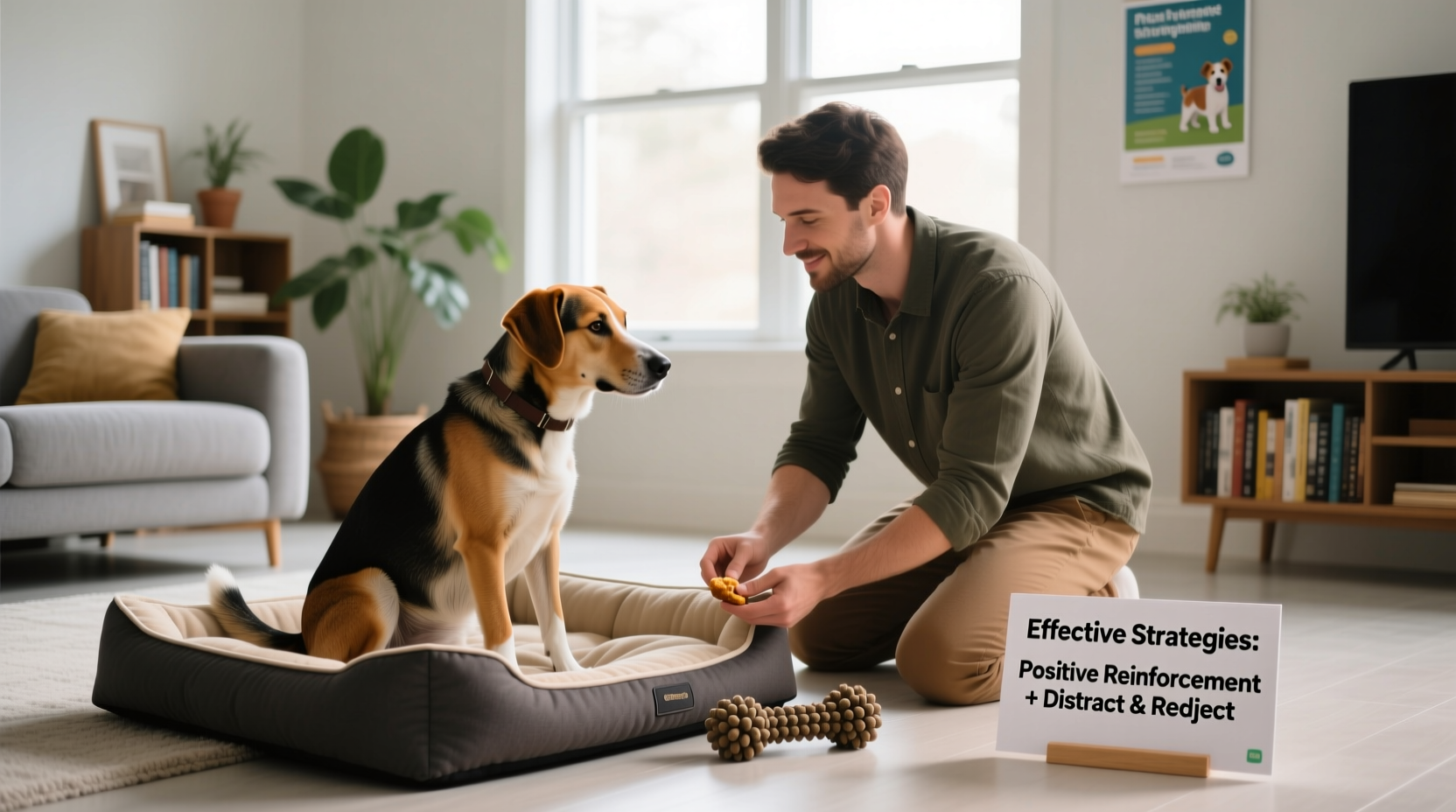
Before addressing the behavior, it’s essential to recognize why dogs chew their beds in the first place. Unlike random destruction, this behavior usually stems from identifiable causes:
- Boredom: Dogs left alone for long periods without stimulation may resort to chewing as a way to pass time.
- Anxiety: Separation anxiety, noise phobias, or changes in routine can trigger destructive behaviors, including bed chewing.
- Teething (in puppies): Young dogs experience discomfort as adult teeth emerge, prompting them to chew on soft materials.
- Lack of appropriate chew toys: If a dog doesn’t have access to satisfying alternatives, they may turn to their bed as the next best option.
- Attention-seeking: Some dogs learn that chewing results in a reaction—even negative attention—which reinforces the behavior.
- Medical issues: Dental pain, gastrointestinal discomfort, or nutritional deficiencies can increase oral fixation.
Addressing only the symptom—chewing—without diagnosing the underlying cause leads to temporary fixes at best. A holistic approach yields lasting results.
Tip: Observe when the chewing occurs—during storms, after you leave, or randomly? Timing helps identify triggers like anxiety or boredom.Step-by-Step Guide to Eliminate Bed Chewing
Stopping destructive chewing requires a structured plan. Follow these steps systematically to create long-term change:
- Remove access to the bed when unsupervised: Temporarily take away the bed or confine your dog to a safe area like a crate or exercise pen with indestructible bedding.
- Inspect for damage and replace if necessary: Frayed edges or exposed stuffing can intensify chewing due to texture appeal. Replace damaged beds immediately.
- Introduce high-value chew alternatives: Provide durable, dog-safe chew toys such as Kong Classic, West Paw Zogoflex, or bully sticks under supervision.
- Reinforce positive behavior: Reward your dog with treats, praise, or playtime when they choose appropriate toys over the bed.
- Gradually reintroduce the bed under supervision: Allow short, monitored sessions where the bed is present but you’re ready to redirect if needed.
- Use deterrent sprays if necessary: Apply bitter-tasting sprays (e.g., Grannick’s Bitter Apple) to the bed’s corners—the scent discourages chewing without harm.
- Establish a daily routine: Predictable feeding, walking, and play schedules reduce anxiety-driven behaviors.
Consistency over several weeks is critical. Dogs thrive on routine, and repeated reinforcement reshapes habits permanently.
Environmental Enrichment: The Long-Term Solution
The most effective prevention strategy isn’t restriction—it’s engagement. A mentally stimulated dog has less desire to engage in destructive behaviors. Consider these enrichment methods:
- Puzzle feeders: Use slow-feed bowls or interactive toys like Outward Hound Puzzle Feeders to extend mealtime and stimulate problem-solving.
- Scent games: Hide treats around the house or yard and encourage your dog to find them using their nose.
- Training sessions: Practice obedience commands or teach new tricks for 10–15 minutes daily. Mental work is more tiring than physical exercise.
- Rotating toys: Keep a toy rotation system to maintain novelty and interest.
- Safe outdoor access: If possible, provide secure yard time or regular walks in stimulating environments.
“Destructive chewing is rarely about defiance. It’s usually a sign of unmet physical or emotional needs.” — Dr. Karen Becker, DVM, Integrative Veterinary Specialist
Choosing the Right Dog Bed: Durability Matters
Not all dog beds are created equal. Many standard plush beds are essentially chew invitations. Invest in a bed designed for durability and resistance:
| Bed Type | Best For | Chew Resistance | Recommended Brands |
|---|---|---|---|
| Rugged nylon/canvas | Active dogs, heavy chewers | High | Kurgo, Ruffwear |
| Orthopedic with removable cover | Senior dogs, joint support | Medium (if cover is replaceable) | PetFusion, Big Barker |
| Indestructible rubber | Extreme chewers | Very High | GoughNuts, West Paw |
| Fleece/soft plush | Puppies, comfort seekers | Low | Avoid for known chewers |
Look for features like double-stitched seams, puncture-resistant bottoms, and machine-washable covers. For dogs with severe chewing tendencies, consider using a simple blanket or mat until the behavior is fully resolved.
Mini Case Study: How Max Stopped Destroying His Bed
Max, a 14-month-old Australian Cattle Dog, had destroyed three dog beds in six months. His owner, Sarah, initially thought he was “just being stubborn.” After consulting a canine behaviorist, she discovered Max was suffering from separation anxiety and insufficient mental stimulation.
The turning point came when Sarah implemented a new routine: morning training drills, a puzzle feeder breakfast, and afternoon flirt pole sessions. She replaced Max’s plush bed with a rugged Kurgo Travel Bed and used bitter spray during transition periods. Within four weeks, Max stopped chewing entirely and now sleeps peacefully on his bed without supervision.
The solution wasn’t stricter rules—it was meeting Max’s natural need for activity and security.
Checklist: Prevent Dog Bed Chewing for Good
Use this actionable checklist to ensure you’re covering all bases:
- ✅ Rule out medical issues with a vet visit
- ✅ Remove access to the bed when unsupervised
- ✅ Provide multiple durable chew toys
- ✅ Implement daily mental and physical exercise
- ✅ Use taste deterrents on the bed (if needed)
- ✅ Reinforce desired behaviors with immediate rewards
- ✅ Switch to a chew-resistant dog bed
- ✅ Monitor progress and adjust strategies weekly
FAQ
Can I use vinegar or lemon juice as a natural deterrent?
Yes, many dogs dislike the sour smell of diluted white vinegar or lemon juice. Mix one part vinegar with two parts water and lightly spray affected areas. Test on a small area first to avoid staining. Note: This is a temporary aid, not a standalone solution.
How long does it take to stop a dog from chewing their bed?
With consistent effort, most dogs show improvement within 2–4 weeks. Complete elimination of the behavior typically takes 6–8 weeks, depending on the dog’s age, temperament, and underlying causes.
Is crate training helpful for preventing bed chewing?
Yes, especially if the chewing occurs when you're away. A properly sized crate with a safe chew toy and durable bedding (like a padded mat) prevents access to destructible items while providing a den-like sense of security.
Final Steps Toward a Chew-Free Home
Preventing your dog from chewing their bed isn’t about finding the toughest fabric or scolding them after the fact—it’s about building a lifestyle that fulfills their instinctual needs. When dogs are physically tired, mentally engaged, and emotionally secure, destructive habits naturally fade. Start today by assessing your dog’s environment, replacing vulnerable items, and enriching their daily routine. Small changes compound into lasting transformation.
💬 Have a success story or tip that helped your dog stop chewing? Share your experience in the comments—your insight could help another pet owner break the cycle for good.








