Dog owners know the frustration: you return home to find gnawed corners, splintered wood, and a guilty pup sitting beside the wreckage. Chewing baseboards isn’t just unsightly—it can be dangerous. Splinters may cause mouth injuries, swallowed wood can lead to intestinal blockages, and the behavior often signals deeper issues like anxiety or boredom. The good news? With consistent effort and the right approach, this habit can be stopped for good. This guide outlines proven, humane methods backed by veterinary behaviorists and professional trainers to protect your home and support your dog’s well-being.
Understand Why Dogs Chew Baseboards
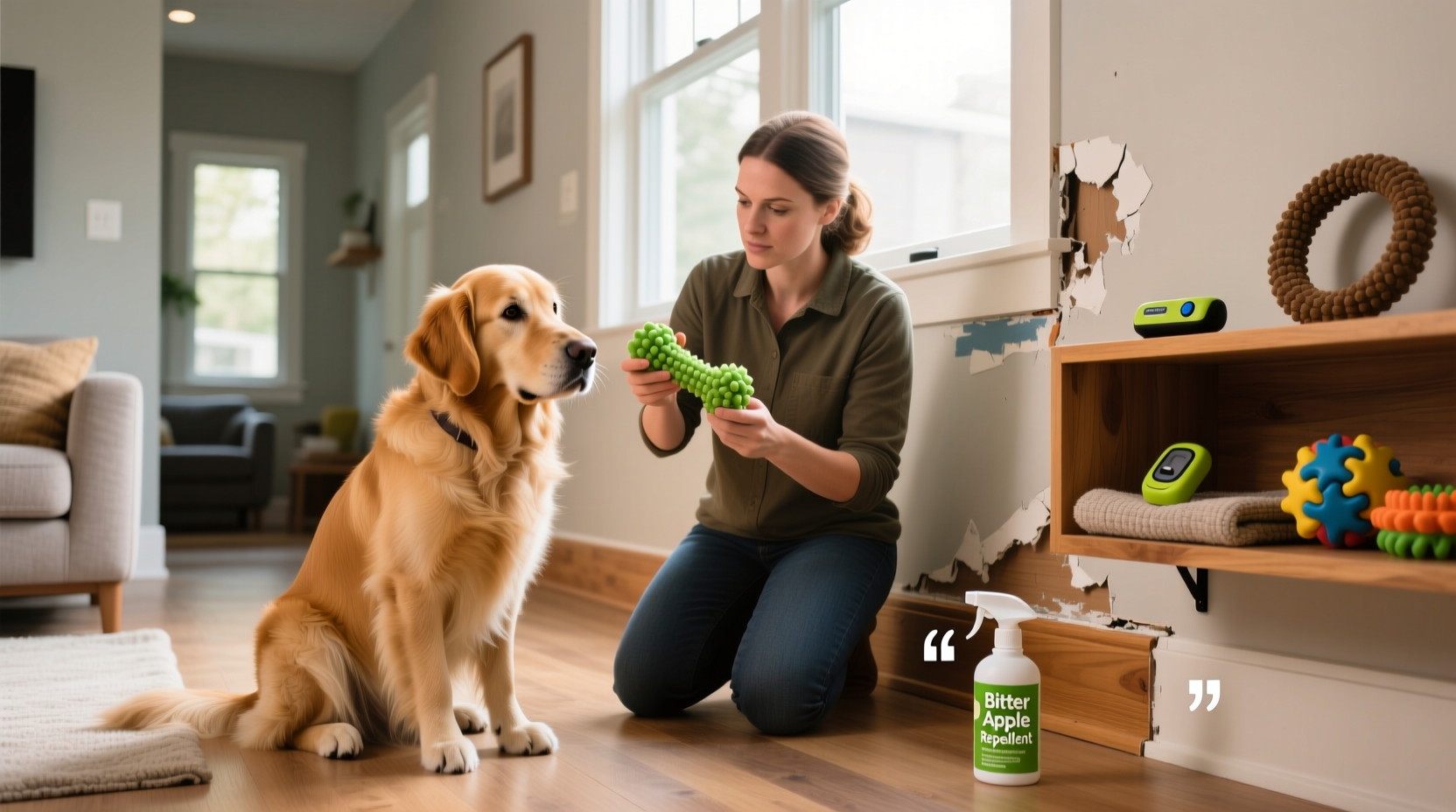
Before correcting the behavior, it's essential to understand its root cause. Dogs don’t chew baseboards out of spite. Instead, the behavior typically stems from one or more of the following:
- Boredom: Dogs left alone for long periods without mental stimulation often resort to destructive chewing.
- Anxiety: Separation anxiety, noise phobias, or changes in routine can trigger compulsive chewing.
- Teething: Puppies between 3–7 months experience gum discomfort that drives them to chew.
- Lack of Training: Some dogs simply haven’t been taught what is acceptable to chew.
- Attention-Seeking: If chewing once earned a reaction—even negative—the dog may repeat it for engagement.
Identifying the underlying cause shapes your response. A teething puppy needs different solutions than an anxious adult dog.
Tip: Observe when chewing occurs. Is it during storms? After you leave? Right after meals? Patterns reveal triggers.Immediate Prevention and Environmental Management
You can’t train a dog effectively while the problem continues unchecked. Start by making baseboards inaccessible and unappealing.
- Block Access: Use baby gates or close doors to restrict your dog from rooms with vulnerable baseboards.
- Apply Bitter Deterrents: Spray pet-safe bitter apple or citrus-based repellents on baseboards. Most dogs dislike the taste.
- Cover Exposed Areas: Install protective corner guards or removable baseboard covers made of soft plastic or rubber.
- Rotate Chew Toys: Keep a variety of textured, durable chew toys on hand. Novelty reduces interest in furniture.
Environmental management isn’t a long-term fix but creates space for training to take hold.
Training Techniques That Work
Behavioral change requires consistency, timing, and positive reinforcement. Here’s how to retrain your dog:
Redirect and Reward
When you catch your dog chewing baseboards, calmly interrupt with a neutral “eh-eh” sound. Immediately offer an appropriate chew toy. When the dog engages with the toy, praise and reward with a treat.
This teaches replacement behavior: instead of suppressing chewing (which is natural), you’re guiding it toward acceptable outlets.
Teach the “Leave It” Command
- Hold a treat in a closed fist and let your dog sniff it.
- When they back away or stop pawing, say “leave it” and reward with a different treat from your other hand.
- Practice with visible treats on the floor, then progress to household objects.
- Eventually apply the cue near baseboards.
With repetition, your dog learns self-control around tempting items.
“Dogs aren’t born knowing what to chew. They learn through consistent guidance and consequences.” — Dr. Karen Overall, Veterinary Behaviorist
Addressing Underlying Needs: Exercise, Enrichment, and Anxiety
No amount of training will succeed if your dog’s basic needs aren’t met. Consider these foundational elements:
Physical and Mental Exercise
A tired dog is less likely to engage in destructive behaviors. Aim for at least 30–60 minutes of daily exercise tailored to your dog’s breed and age. Combine physical activity with mental challenges:
- Puzzle feeders or treat-dispensing toys
- Scent games (hide treats for your dog to find)
- Short training sessions (5–10 minutes, multiple times a day)
Managing Anxiety
If your dog chews only when alone, separation anxiety may be the culprit. Signs include pacing, whining, house soiling, and excessive drooling.
For mild cases, gradual desensitization helps. Practice short departures—step outside for 10 seconds, return, and reward calm behavior. Slowly increase duration over days.
For severe anxiety, consult a veterinarian or certified animal behaviorist. Options may include anti-anxiety medication combined with behavioral therapy.
Tip: Leave a radio or TV on when leaving home. Background noise can reduce stress from silence or outdoor sounds.Step-by-Step Timeline to Stop Baseboard Chewing
Here’s a realistic 4-week plan to eliminate the behavior:
| Week | Action Steps |
|---|---|
| Week 1 | Install deterrents, block access to baseboards, begin bitter spray application, introduce puzzle toys. |
| Week 2 | Start “leave it” training twice daily; increase walks and playtime; observe chewing patterns. |
| Week 3 | Introduce controlled exposure to baseboards with supervision; redirect immediately; reinforce toy use. |
| Week 4 | Gradually remove barriers while monitoring behavior; maintain rewards for appropriate chewing. |
By week four, most dogs show significant improvement—if not full compliance—provided all factors are addressed.
Common Mistakes That Sabotage Progress
Even well-meaning owners unintentionally reinforce bad habits. Avoid these pitfalls:
- Punishing after the fact: Dogs can’t connect delayed scolding to the act of chewing.
- Inconsistent rules: Letting chewing slide sometimes teaches the dog it’s occasionally okay.
- Using human food as chew substitutes: Bones or cooked meats can splinter or cause digestive issues.
- Ignoring medical causes: Dental pain or gastrointestinal discomfort can increase chewing urges.
“Consistency is the cornerstone of canine learning. Every interaction is a teaching moment.” — Ian Dunbar, DVM, Animal Behavior Specialist
Mini Case Study: Fixing Max’s Baseboard Habit
Max, a 10-month-old Border Collie, chewed baseboards every time his owner left for work. His owner tried yelling and spraying water, but the behavior worsened.
A trainer assessed the situation and identified two key issues: under-stimulation and separation anxiety. The solution included:
- Adding a 30-minute morning run and a 15-minute training session before work.
- Introducing a frozen Kong filled with peanut butter (xylitol-free) to keep him occupied.
- Installing a bitter spray and using plastic corner guards.
- Starting a 10-day departure desensitization program.
Within three weeks, Max stopped chewing entirely. The combination of exercise, enrichment, and anxiety reduction proved more effective than punishment ever was.
Frequently Asked Questions
Is it normal for adult dogs to chew baseboards?
While more common in puppies, adult dogs may chew due to stress, lack of stimulation, or unmet chewing needs. It’s not “normal” behavior and should be addressed.
Can I use vinegar to stop my dog from chewing?
Vinegar has a strong smell dogs usually dislike, but it’s less reliable than commercial bitter sprays. It may also damage wood finishes. Use pet-safe deterrents instead.
How long does it take to stop a dog from chewing baseboards?
With consistent effort, most dogs improve within 2–4 weeks. Complete elimination may take longer, especially if anxiety is involved.
Final Checklist: Are You Ready to Stop the Chewing?
Use this checklist to ensure you’ve covered all bases:
- ✅ Identified the likely cause (boredom, anxiety, teething, etc.)
- ✅ Applied a bitter-tasting deterrent to baseboards
- ✅ Installed physical barriers or protective covers
- ✅ Introduced durable chew toys and rotated them regularly
- ✅ Increased daily exercise and mental stimulation
- ✅ Trained the “leave it” command
- ✅ Established a consistent routine with no mixed messages
- ✅ Consulted a vet if anxiety or medical issues are suspected
Conclusion
Stopping your dog from chewing baseboards isn’t about quick fixes—it’s about understanding your dog’s needs and guiding their behavior with patience and consistency. By combining environmental management, targeted training, and emotional support, you create an environment where destructive chewing no longer serves a purpose. Your dog doesn’t want to ruin your home; they want to feel safe, engaged, and connected. Meet those needs, and the chewing will fade naturally.
💬 Have a success story or challenge with baseboard chewing? Share your experience below—your insight could help another dog owner turn things around today.








