
Dog collars are essential for identification, safety, and training, but they can also be a common source of discomfort when not chosen or used correctly. Skin irritation—ranging from mild redness to raw, infected sores—is often overlooked until it becomes serious. The good news is that most collar-related skin issues are preventable with the right knowledge and proactive care. Understanding your dog’s skin sensitivity, selecting appropriate materials, ensuring proper fit, and maintaining hygiene can make all the difference in keeping your pet comfortable and healthy.
Understanding the Causes of Collar-Induced Skin Irritation
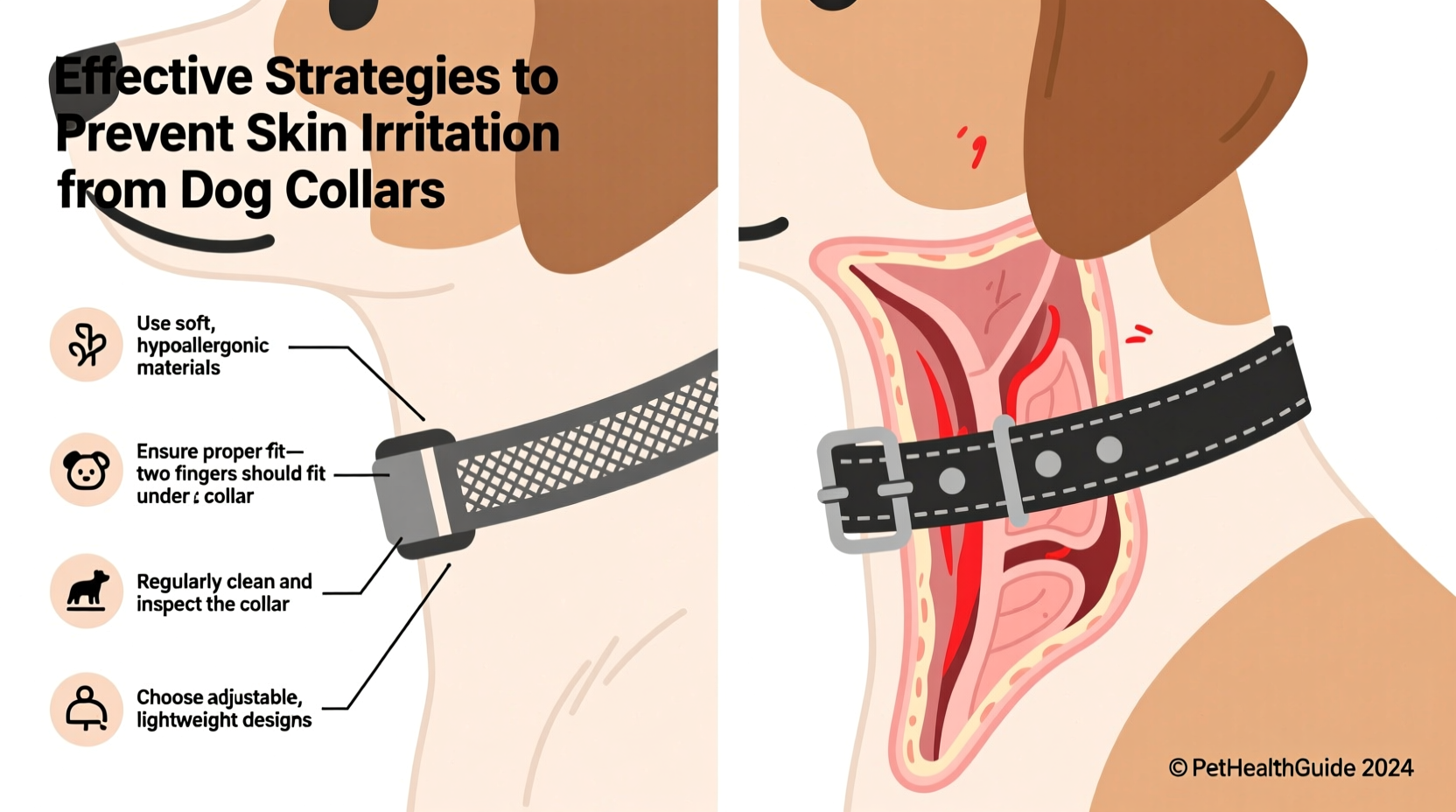
Skin irritation from dog collars typically stems from one or more contributing factors: friction, moisture buildup, allergic reactions, poor hygiene, or ill-fitting hardware. When a collar rubs repeatedly against the same area of skin, especially during active play or pulling on the leash, it creates micro-abrasions that compromise the skin barrier. Add in trapped sweat, dirt, or allergens, and you have the perfect environment for inflammation, bacterial growth, or fungal infections.
Certain dogs are more prone to these issues. Breeds with short coats like Boxers or Bulldogs may experience chafing more easily due to less natural padding. Dogs with pre-existing allergies or sensitive skin—such as those with atopic dermatitis—are particularly vulnerable. Even seasonal shedding can contribute, as loose fur and dead skin accumulate under the collar if not cleaned regularly.
Tip: Check your dog’s neck weekly for redness, bumps, or thinning fur—early detection prevents worsening conditions.Choosing the Right Collar Material for Sensitive Skin
The material of the collar plays a critical role in comfort and skin health. Not all fabrics and synthetics are created equal, and some are far more likely to cause irritation than others.
| Material | Pros | Cons | Best For |
|---|---|---|---|
| Nylon | Durable, affordable, widely available | Can trap moisture; rough texture may chafe | Active dogs with low sensitivity |
| Polyester Webbing | Lightweight, colorfast, resists fading | Less breathable; may irritate if dirty | Everyday use, moderate climates |
| Neoprene | Soft, water-resistant, cushioned | May retain heat; requires frequent cleaning | Dogs with mild sensitivities or outdoor exposure |
| Genuine Leather | Breathable, molds to shape, naturally antimicrobial | Requires conditioning; heavy when wet | Dogs with allergies or thick necks |
| Hemp or Organic Cotton | Hypoallergenic, eco-friendly, breathable | Less durable; stretches when wet | Dogs with severe sensitivities or eczema |
For dogs with known skin issues, natural fibers or padded neoprene collars with soft linings are ideal. Avoid collars with chemical dyes or synthetic coatings, which can trigger contact dermatitis.
“Dermatitis from collars is more common than people realize. I see cases where owners assume their dog has fleas or food allergies, only to discover the real culprit is an old, dirty nylon collar.” — Dr. Lena Torres, DVM, Veterinary Dermatology Specialist
Ensuring Proper Fit and Adjusting Over Time
A poorly fitted collar is one of the leading causes of skin damage. Too tight, and it restricts circulation and causes constant pressure. Too loose, and it shifts around, creating friction. The ideal fit allows two fingers to slide comfortably between the collar and your dog’s neck. This rule applies whether your dog is growing, losing weight, or simply has a broad neck relative to head size.
Puppies require special attention. As they grow rapidly, a collar that fits perfectly one week may become too tight within days. Reassess fit every 7–10 days during growth spurts. Similarly, dogs recovering from illness or on weight-loss plans may need collar adjustments to avoid sagging or pinching.
Step-by-Step Guide to Checking Collar Fit
- Slide the collar over your dog’s head and fasten it securely.
- Insert two fingers flat between the collar and the skin at the side of the neck.
- If fingers fit snugly without pressing into the skin, the fit is correct.
- Check behind the ears and along the underside of the neck for rubbing signs.
- Observe your dog moving, turning, and shaking its head to ensure no pinching occurs.
Maintaining Hygiene and Preventing Buildup
Just like human clothing, collars collect sweat, saliva, dirt, and bacteria. A collar worn continuously without cleaning becomes a breeding ground for yeast and odor-causing microbes. Regular cleaning is non-negotiable for skin health.
Wash fabric and neoprene collars weekly using mild, fragrance-free soap and warm water. Gently scrub with a soft brush, rinse thoroughly, and air-dry completely before reuse. Leather collars should never be submerged; instead, wipe them down monthly with a damp cloth and apply leather conditioner to prevent cracking.
Never use household cleaners, bleach, or scented detergents—they leave residues that irritate skin. Also, avoid washing machines unless the manufacturer explicitly approves it, as tumbling can degrade stitching and hardware.
Collar Care Checklist
- Inspect collar weekly for fraying, sharp edges, or broken buckles
- Clean fabric collars weekly; leather collars monthly
- Replace collars showing signs of wear or deformation
- Remove collar during baths and swimming to prevent prolonged moisture exposure
- Store spare collars in a dry, ventilated area
Alternative Solutions for High-Risk Dogs
For dogs with chronic skin conditions or recurrent collar sores, traditional collars may not be the best option. Consider switching to alternatives that distribute pressure more evenly or eliminate neck strain altogether.
Front-clip harnesses redirect pulling force from the neck to the chest, reducing friction and tracheal pressure. These are especially beneficial for small breeds or brachycephalic dogs (like Pugs or Shih Tzus) prone to respiratory issues. Soft, padded harnesses made from breathable mesh or cotton blends minimize skin contact while providing control.
Another option is a breakaway collar designed to release under pressure, preventing strangulation during entanglement. While useful for safety, they should not replace regular collars for daily walks unless combined with a secure harness system.
“In my practice, I recommend harnesses over collars for dogs with any history of skin or respiratory problems. It’s a simple switch that reduces both physical and dermatological stress.” — Dr. Rajiv Mehta, Canine Behavior and Health Consultant
Frequently Asked Questions
How do I know if my dog’s skin irritation is caused by the collar?
Look for consistent redness, hair loss, or scabs specifically under or behind the collar area. If symptoms improve after removing the collar for a few days (while keeping other routines unchanged), the collar is likely the cause.
Can I leave the collar on all the time?
Veterinarians generally advise against 24/7 collar wear. Remove it during sleep, crate time, or unsupervised periods to allow skin to breathe and recover. Always supervise your dog when the collar is off to ensure safety.
Are silicone or rubber collars safe for sensitive skin?
Some high-quality silicone collars are hypoallergenic and easy to clean, making them suitable for sensitive dogs. However, cheaper versions may contain plasticizers or additives that cause reactions. Choose medical-grade or veterinarian-recommended brands.
Conclusion
Preventing skin irritation from dog collars doesn’t require drastic changes—just thoughtful choices and consistent care. From selecting gentle, breathable materials to maintaining a strict cleaning schedule and ensuring a proper fit, every step contributes to your dog’s comfort and well-being. Pay attention to early warning signs, don’t hesitate to switch to a harness if needed, and prioritize skin health as much as nutrition or exercise. Your dog can’t tell you when something hurts, but you can see it—and fix it—before it becomes a bigger problem.
💬 Your dog’s comfort matters. Review your pet’s collar today, share this guide with fellow pet owners, or leave a comment with your own solutions for keeping collars safe and irritation-free.








