Cat owners know the frustration of finding an unexpected mess just outside the litter box. While cats are naturally fastidious animals, inappropriate elimination is one of the most common behavioral issues in household pets. It can lead to persistent odors, damaged flooring, and strained relationships between pet and owner. The good news is that with the right approach—combining environmental management, medical awareness, and behavioral insight—this problem is often entirely preventable. Understanding why cats avoid the litter box and implementing targeted solutions can transform your home into a cleaner, more harmonious space.
Understanding Why Cats Avoid the Litter Box
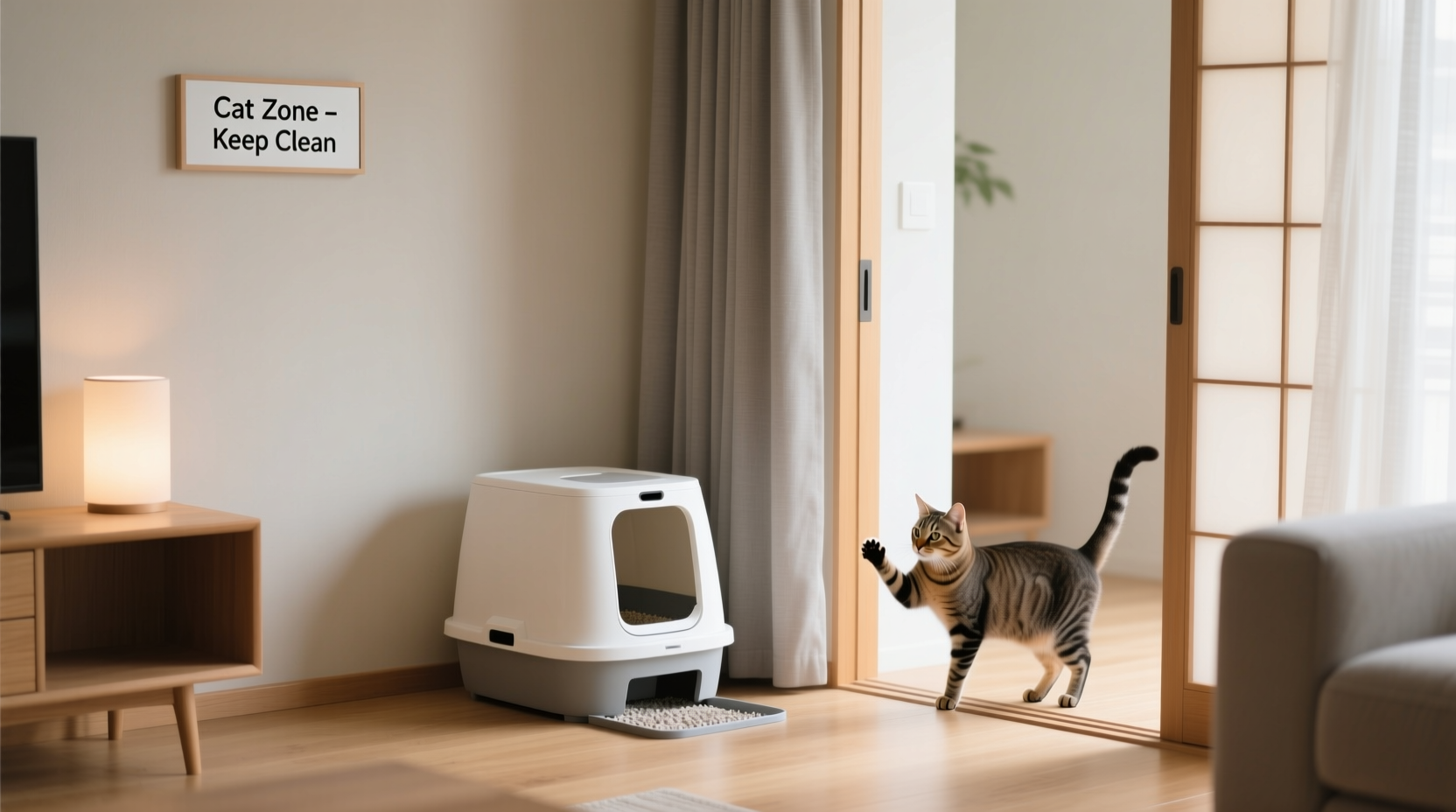
Cats don’t eliminate outside the box out of spite or rebellion. Their behavior is usually rooted in physical discomfort, stress, or dissatisfaction with their bathroom setup. Common causes include:
- Litter box aversion: Strong scents, dirty boxes, or textured discomfort can deter use.
- Medical issues: Urinary tract infections, arthritis, or gastrointestinal problems make using the box painful.
- Stress or anxiety: Changes in routine, new pets, or loud environments may trigger territorial marking.
- Location problems: Boxes placed in high-traffic or noisy areas reduce privacy.
- Inadequate number of boxes: Experts recommend one box per cat, plus one extra.
Before assuming behavioral fault, rule out health concerns. A veterinary check-up should be the first step when accidents begin.
“Up to 40% of cats presenting with inappropriate elimination have an underlying medical condition. Never assume it’s purely behavioral.” — Dr. Lena Patel, Feline Behavior Specialist
Step-by-Step Guide to Restoring Proper Litter Box Use
Correcting litter box avoidance requires consistency and patience. Follow this timeline to address both immediate and long-term factors:
- Week 1: Medical Evaluation
Visit your veterinarian to test for urinary tract infections, kidney disease, or mobility issues, especially in older cats. - Week 2: Audit Your Litter Setup
Evaluate the number, location, type, and cleanliness of your litter boxes. Make necessary adjustments based on your cat’s preferences. - Week 3: Clean Accidents Thoroughly
Use enzymatic cleaners to remove odor traces. Avoid ammonia-based products, which mimic urine scent and attract repeat incidents. - Week 4: Monitor and Reinforce
Observe your cat’s habits. Reward correct usage with quiet praise or treats if they respond positively. - Ongoing: Maintain Routine
Scoop daily, change litter weekly, and reassess every few months as your cat ages or household dynamics shift.
Optimizing Litter Box Design and Placement
The design and positioning of litter boxes significantly influence usage. Consider these evidence-based recommendations:
| Factor | Recommended Practice | Common Mistake |
|---|---|---|
| Number of Boxes | One per cat + one extra | Only one box for multiple cats |
| Placement | Quiet, low-traffic area with easy access | Near loud appliances or in isolated basements |
| Litter Depth | 1.5 to 2 inches | Overfilling (more than 3 inches) |
| Box Type | Open-top for most cats; covered only if needed for discretion | Using covered boxes that trap odors and limit escape routes |
| Cleaning Frequency | Scooped daily, fully changed weekly | Weekly scooping or infrequent changes |
For multi-level homes, place at least one box per floor. Avoid placing food and water directly next to the box—cats instinctively avoid eliminating near eating areas.
Real-Life Example: Resolving a Multi-Cat Conflict
Sarah, a pet owner in Portland, noticed her two cats, Milo and Luna, were urinating beside the litter box. Both had been spayed/neutered, and no recent changes had occurred. After ruling out medical causes, she observed that Milo would guard the single litter box, preventing Luna from entering. This created stress-induced avoidance.
She implemented the “one plus one” rule, adding a second box on the opposite side of the house. She also switched to open-top boxes to eliminate ambush points. Within ten days, both cats resumed normal litter use. Sarah noted, “I didn’t realize how territorial the space was until I gave them each their own zone.”
Behavioral Strategies and Environmental Enrichment
Cats thrive on predictability and control. When stressed, they may mark territory through spraying or defecating outside the box. To reduce anxiety:
- Provide vertical spaces like cat trees or shelves to establish safe zones.
- Use pheromone diffusers (e.g., Feliway) in high-stress areas to promote calmness.
- Maintain consistent feeding, play, and sleep routines.
- Introduce new pets or people gradually to avoid overwhelming your cat.
If marking persists, especially on vertical surfaces, it may be spraying behavior. Neutering reduces this by up to 90%, but environmental triggers must still be managed.
Tip: Some cats prefer unscented, clumping clay litter. Others favor softer textures like paper or silica. Trial different types to identify your cat’s preference.Essential Checklist for Litter Box Success
Use this actionable checklist to ensure your home supports proper litter habits:
- ☑ Schedule a vet visit to rule out medical causes
- ☑ Provide one litter box per cat, plus one extra
- ☑ Place boxes in quiet, accessible locations on every floor
- ☑ Scoop waste at least once daily
- ☑ Replace litter completely every 7–10 days
- ☑ Use unscented, non-clumping or clumping litter based on cat preference
- ☑ Clean past accident sites with enzymatic cleaner
- ☑ Avoid punishing your cat—this increases fear and worsens the issue
- ☑ Monitor for signs of stress or inter-cat conflict
- ☑ Introduce changes gradually and observe responses
Frequently Asked Questions
Why does my cat pee beside the box but not in it?
This often indicates discomfort with the box itself—possibly due to size, litter texture, or cleanliness. It could also signal a medical issue such as a urinary tract infection. Observe whether your cat enters and exits quickly, strains, or vocalizes during use.
Can I train an older cat to use the litter box again?
Yes. Older cats may develop arthritis, making it hard to climb into high-sided boxes. Switch to a low-entry box and place it near their favorite resting spot. Patience and positive reinforcement help reestablish good habits.
Is it okay to use liners or covered boxes?
Liners can be helpful for easier cleaning, but some cats dislike the crinkling sound or claw-catching edges. Covered boxes may trap odors and feel confining. Always offer an alternative if your cat avoids them.
Final Thoughts: Building a Cleaner, Happier Home
Preventing litter box avoidance isn’t about enforcing rules—it’s about understanding your cat’s needs and creating an environment where they feel safe and comfortable. Small adjustments in litter type, placement, and daily maintenance can yield dramatic improvements. Most importantly, approach the issue with empathy, not frustration. Your cat isn’t misbehaving; they’re communicating.
By combining veterinary insight, thoughtful design, and consistent care, you can eliminate accidents for good and enjoy a cleaner, more peaceful home. Start today: evaluate your current setup, clean thoroughly, and give your cat the dignified bathroom experience they deserve.
💬 Have a tip that worked for your cat? Share your experience in the comments and help fellow cat owners create cleaner, happier homes.








