
For millions of cat owners, the joy of feline companionship comes with an unavoidable downside: litter scattered across floors, carpets, and baseboards. Cat litter tracking isn’t just unsightly—it can create hygiene concerns and increase cleaning time. The good news is that with thoughtful planning and consistent habits, you can significantly reduce or even eliminate litter scatter. From choosing the right litter box setup to implementing smart flooring solutions, this guide covers proven methods to maintain a cleaner, more comfortable home without compromising your cat’s comfort.
Understand Why Cats Track Litter
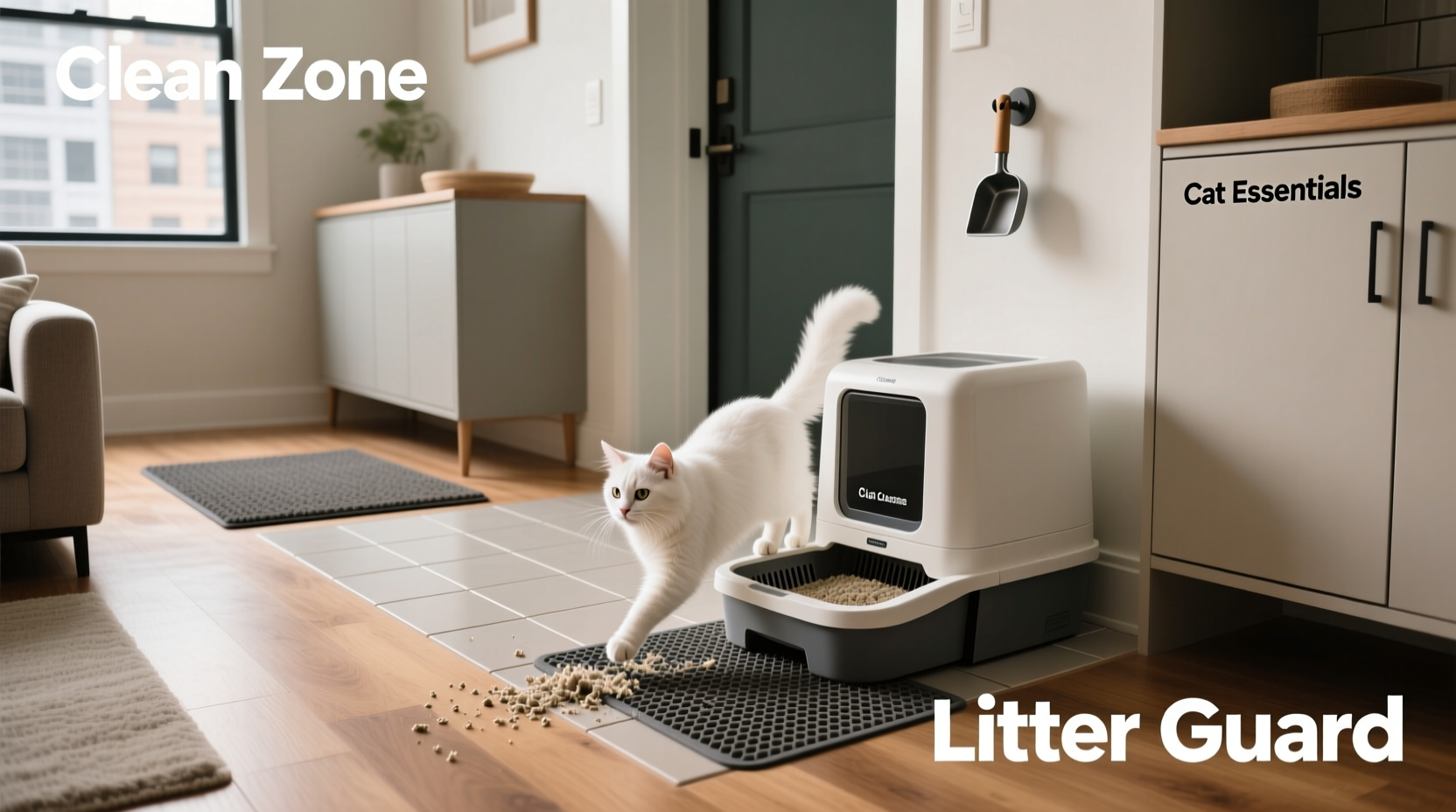
Cats naturally dig and bury their waste, a behavior rooted in instinct. After using the litter box, granules often cling to their paws and fur, especially if the litter is lightweight or dusty. As they walk away, these particles are dispersed throughout the house. Some cats are more prone to tracking due to longer fur around their paws or high-energy exits from the box. Environmental factors—such as the location of the litter box, type of flooring, and surrounding airflow—also influence how far litter travels.
Addressing litter tracking begins with recognizing its root causes. Once identified, targeted interventions can dramatically improve cleanliness.
Tip: Observe your cat’s post-litter behavior. If they shake their paws vigorously or leap out, consider a covered box or litter mat with higher edges.Choose the Right Litter Box Design
The design of the litter box plays a crucial role in containment. Open-top boxes allow easy access but offer no barrier to escaping litter. Covered boxes reduce visibility of mess but may trap odors and discourage use if not cleaned regularly. Top-entry boxes minimize side scatter by forcing cats to enter from above, reducing paw contact with litter during exit.
Consider these features when selecting a litter box:
- Hooded models with baffles: These include a tunnel-like entrance that helps catch litter on the way out.
- Large capacity: A spacious box reduces the chance of litter being kicked over the sides.
- High walls: Boxes with raised rims (at least 4–5 inches) contain more debris during digging.
“Cats prefer large, clean boxes. When the space is too small or dirty, they’re more likely to fling litter aggressively.” — Dr. Sarah Thompson, DVM, Feline Behavior Consultant
Use Litter That Minimizes Tracking
Not all litters behave the same. Lightweight, clay-based clumping litters are notorious for sticking to paws and becoming airborne. Heavier, low-dust formulas tend to stay put. Look for litters labeled “low-tracking” or “anti-tracking,” which are engineered for better cohesion and reduced adhesion to fur.
Clay, silica gel crystals, pine pellets, and recycled paper are common options, each with trade-offs:
| Litter Type | Tracking Level | Dust Level | Best For |
|---|---|---|---|
| Lightweight Clumping Clay | High | Medium-High | Budget-conscious owners |
| Silica Gel Crystals | Low | Very Low | Odor control & low maintenance |
| Pine Pellets | Low-Moderate | Low | Eco-friendly homes |
| Recycled Paper | Moderate | Low | Cats with sensitivities |
Switching litter types may require gradual transition to avoid aversion. Mix increasing amounts of new litter with the old over 7–10 days.
Implement Smart Placement and Flooring Solutions
Location matters. Placing the litter box on hard flooring like tile or vinyl makes cleanup easier than on carpet, where litter embeds deeply. Ideally, position the box in a low-traffic area with minimal foot traffic but good ventilation.
To further contain mess:
- Place a large, textured litter mat (preferably dual-layer) directly beneath and in front of the box. Mats with deep pockets or nubs help dislodge litter from paws.
- Use a custom tray or low-profile plastic bin under the entire setup to catch overflow.
- Avoid placing the box near air vents or ceiling fans, which can blow loose particles into other rooms.
Step-by-Step Setup for Minimal Tracking
- Select a heavy, low-tracking litter.
- Choose a large, hooded box with high sides or a top-entry design.
- Position the box on a hard floor surface away from high-traffic zones.
- Place a dual-surface litter mat (rubber grid + fabric layer) extending at least 3 feet in the exit direction.
- Surround the area with a low barrier or tray to contain stray granules.
- Empty the mat weekly and vacuum the surrounding area every few days.
Real-Life Example: Reducing Tracking in a Multi-Cat Home
The Rivera family had three cats and struggled with litter tracked from two boxes placed in their basement laundry room. Despite daily scooping, granules appeared on stairs, in bedrooms, and even the kitchen. They decided to test a multi-pronged approach: switching to a heavier walnut-based litter, installing top-entry boxes, and laying interlocking rubber mats with deep grooves around each unit.
Within two weeks, visible tracking dropped by an estimated 80%. Vacuuming frequency decreased from every other day to twice a week. The cats adapted quickly, showing no signs of avoidance. The family also added a small bench beside one box to block litter drift toward the staircase—a simple architectural fix that made a measurable difference.
Essential Maintenance Checklist
Consistent upkeep ensures long-term success. Use this checklist weekly:
- ✔ Scoop the box at least once daily.
- ✔ Shake out or wash litter mats weekly.
- ✔ Vacuum or sweep the surrounding area every 2–3 days.
- ✔ Replace litter completely every 2–4 weeks (depending on usage).
- ✔ Inspect litter box for cracks or wear that could contribute to spillage.
- ✔ Monitor your cat’s behavior for signs of box avoidance or discomfort.
Frequently Asked Questions
Can I stop litter tracking completely?
While it’s difficult to eliminate tracking entirely, combining the right litter, box design, and containment tools can reduce it to negligible levels. Most households see a 70–90% improvement with consistent implementation.
Are automatic litter boxes better at preventing tracking?
Some self-cleaning models feature sealed compartments and rake systems that minimize exposure, but they aren’t inherently better at stopping tracking. However, their larger size and enclosed design can help contain messes. Regular cleaning of the rake and collection bin is essential to prevent secondary scattering.
What’s the best mat for catching litter?
Dual-layer mats work best—one rigid, grid-style layer to scrape paws, followed by a fabric or rubber tray underneath to trap fallen particles. Look for mats with raised edges and non-slip backing. Brands like Gorilla Grip and Litter Trap have received strong user feedback for durability and effectiveness.
Final Thoughts and Call to Action
Keeping your home free of scattered litter doesn’t require extreme measures—just smart, sustainable choices. By understanding your cat’s habits, investing in quality equipment, and maintaining a consistent routine, you can enjoy a cleaner space while still providing a safe, appealing environment for your pet. Small changes compound over time, turning daily frustrations into manageable routines.
🚀 Ready to reclaim your floors? Start tonight by placing a litter-catching mat or testing a low-tracking litter. Share your progress or tips in the comments—your solution might be exactly what another cat owner needs!








