Dog ownership brings joy, companionship, and unconditional love—but it also often comes with a less welcome guest: pet hair. While shedding is a natural biological process for dogs, excessive fur around the house can be frustrating, especially for allergy sufferers or those who value a clean living space. The good news is that shedding can be significantly reduced with consistent care, proper nutrition, and smart household habits. By understanding the root causes of shedding and implementing targeted strategies, you can maintain a cleaner home without compromising your dog’s health or comfort.
Understanding Why Dogs Shed
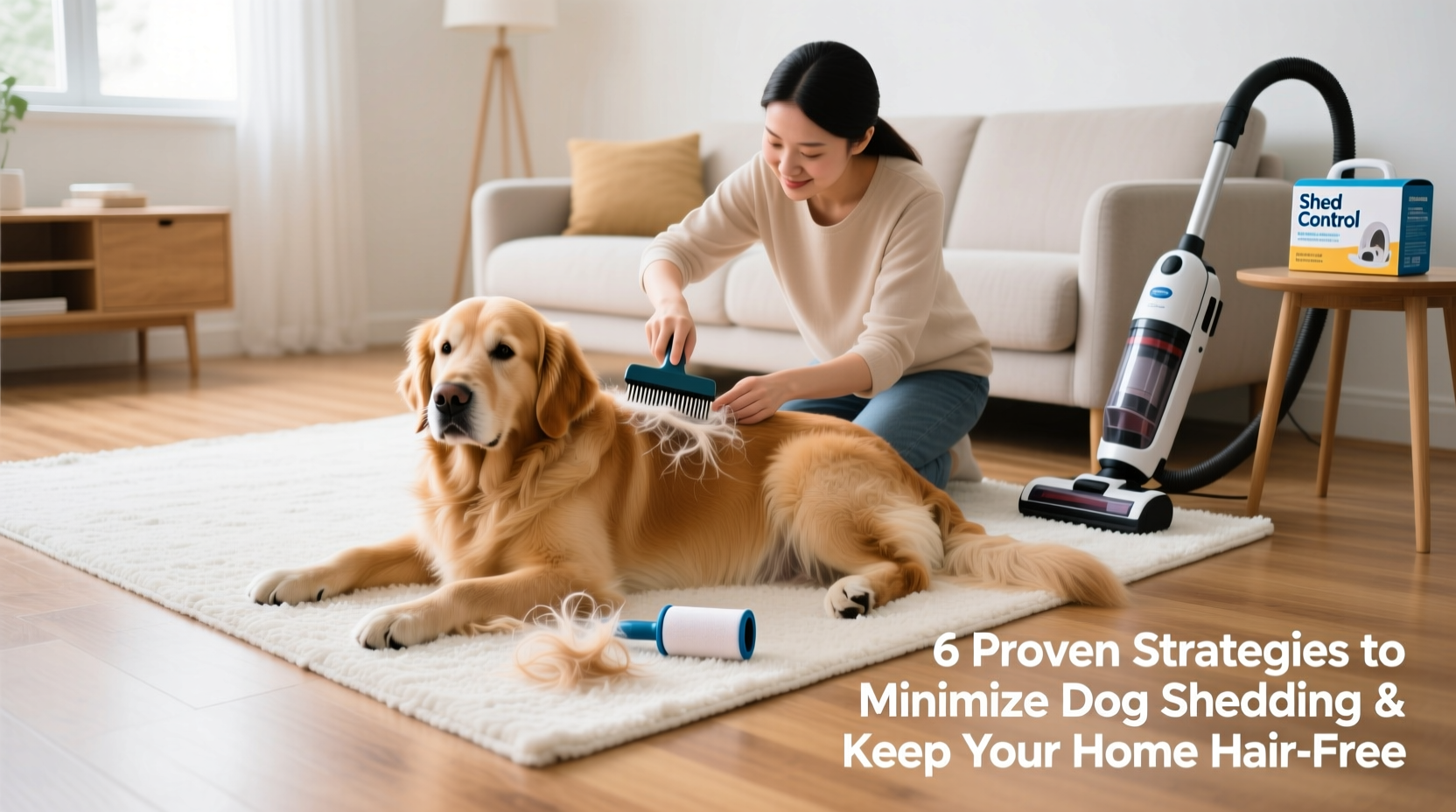
All dogs shed to some degree. The amount and frequency depend on breed, coat type, season, and overall health. Most dogs experience seasonal shedding—commonly known as \"blowing their coat\"—during spring and fall as they adjust to temperature changes. Breeds like Huskies, German Shepherds, and Golden Retrievers are notorious shedders due to their thick double coats. However, even so-called hypoallergenic breeds such as Poodles or Shih Tzus still lose hair, albeit in smaller amounts and with less dander.
Excessive shedding outside of normal cycles may signal underlying issues such as poor diet, dehydration, stress, allergies, or skin conditions. Before focusing solely on cleanup, it's essential to assess whether your dog’s shedding is within a healthy range. A shiny coat, minimal skin flaking, and no bald patches typically indicate good health.
“Shedding is normal, but sudden or patchy hair loss should prompt a vet visit. It could indicate hormonal imbalances, parasites, or nutritional deficiencies.” — Dr. Lena Patel, DVM, Canine Dermatology Specialist
Optimize Your Dog’s Diet for a Healthier Coat
Nutrition plays a foundational role in coat health. A diet lacking in essential fatty acids, protein, or vitamins can lead to dry skin and increased shedding. Omega-3 and omega-6 fatty acids, commonly found in fish oil and flaxseed, support skin hydration and reduce inflammation. High-quality proteins help build strong hair follicles.
Tip: Add one teaspoon of fish oil per 20 pounds of body weight to your dog’s food daily, after consulting your veterinarian.When selecting dog food, look for whole meat sources listed as the first ingredient and avoid fillers like corn, soy, and by-products. Consider rotating between premium kibble and limited-ingredient wet food if your dog has sensitivities. Some owners report noticeable improvements in coat condition within 4–6 weeks of switching to a balanced, species-appropriate diet.
Establish a Consistent Grooming Routine
Grooming isn’t just about appearance—it’s a critical tool for managing loose hair before it ends up on your furniture. Regular brushing removes dead hair, distributes natural oils, and stimulates blood flow to the skin. The frequency depends on your dog’s coat type:
- Short-haired breeds (e.g., Beagles, Boxers): Brush once or twice a week with a rubber curry brush or bristle brush.
- Long or double-coated breeds (e.g., Malamutes, Collies): Daily brushing with an undercoat rake and slicker brush is ideal during peak shedding seasons.
- Curl or wave-coated breeds (e.g., Poodles, Bichons): Weekly brushing with a pin brush prevents matting and reduces stray hairs.
Bathing every 4–6 weeks with a moisturizing, oatmeal-based shampoo helps remove loose fur and soothes the skin. Over-bathing can strip natural oils and worsen shedding, so moderation is key. Always dry thoroughly, as damp fur traps more dirt and encourages breakage.
Step-by-Step Grooming Timeline
- Begin with a de-shedding tool to loosen undercoat hair (2–3 times weekly in heavy shedding periods).
- Follow with a slicker brush to remove tangles and surface debris.
- Use a metal comb to check for mats, especially behind ears and under legs.
- Wipe down with a damp cloth between baths to capture loose hair.
- Trim excess fur around paws and sanitary areas monthly.
Home Management: Reducing Hair Accumulation Indoors
No matter how well you groom your dog, some hair will inevitably make its way into your living space. The goal is to minimize its spread and simplify cleanup.
Furnishings play a big role. Choose leather, microfiber, or tightly woven fabrics for sofas and chairs—they resist hair buildup better than wool or velvet. Use washable throws or blankets on frequently used furniture. Vacuum at least every other day using a high-efficiency particulate air (HEPA) filter vacuum designed for pet hair. These models trap allergens and prevent them from recirculating in the air.
| Surface Type | Best Cleaning Tool | Avoid |
|---|---|---|
| Hardwood/Laminate | Microfiber mop + static broom | Wet mops without wringing (can warp floors) |
| Carpet | HEPA vacuum with rotating brush | Standard vacuums (may blow hair deeper) |
| Upholstery | Lint roller or rubber glove dampened with water | Dry cloths (can spread hair) |
Mini Case Study: Managing Shedding in a Multi-Pet Household
Sarah Thompson, a pet owner in Portland, Oregon, shares her experience managing two heavy-shedding dogs—a Siberian Husky and a Labrador mix—in a small apartment. “During spring, we were drowning in fur,” she says. “Vacuuming daily wasn’t enough.” After consulting a groomer, Sarah implemented a structured routine: daily brushing with a Furminator tool, bi-weekly wipe-downs with grooming mitts, and switching both dogs to a salmon-oil-enriched diet. She also invested in a robot vacuum that runs on a schedule and uses HEPA filtration.
Within three weeks, visible hair on furniture dropped by nearly 70%. “It’s not zero, but now it’s manageable,” Sarah notes. “The biggest change was consistency—we stopped skipping brushing just because we were tired.” Her story highlights that while tools and products help, sustained effort yields the best results.
Essential Checklist for Minimizing Dog Shedding
To stay on track, follow this actionable checklist monthly:
- ✔ Brush your dog according to coat type (daily to weekly)
- ✔ Feed a high-protein, omega-rich diet
- ✔ Bathe every 4–6 weeks with a gentle, moisturizing shampoo
- ✔ Vacuum all floors and upholstery at least 3–4 times per week
- ✔ Wash pet bedding weekly in hot water
- ✔ Use furniture covers on frequently used seats
- ✔ Schedule seasonal vet checkups to rule out health issues
FAQ: Common Questions About Dog Shedding
Can I stop my dog from shedding completely?
No—shedding is a natural process for skin renewal and temperature regulation. However, you can reduce excessive shedding through proper grooming, diet, and health management.
Are de-shedding tools safe for my dog?
Yes, when used correctly. Tools like undercoat rakes or de-shedding blades should be used gently and only on loose hair. Avoid pressing too hard or using them on sensitive or irritated skin.
Does shaving my dog reduce shedding?
Not necessarily—and it can be harmful for double-coated breeds. Shaving disrupts the natural insulation and sun protection of their coat, potentially leading to skin damage or improper regrowth. Consult a professional groomer before considering a shave.
Conclusion: Take Control One Step at a Time
Minimizing dog shedding isn’t about achieving a completely hair-free home—it’s about creating a sustainable balance between pet health and household cleanliness. With the right combination of nutrition, grooming, and cleaning practices, you can dramatically reduce the amount of fur floating through your space. Start small: pick one area to improve, whether it’s upgrading your dog’s food, adding a daily brushing session, or investing in a better vacuum. Small, consistent actions compound into long-term success.
💬 Have a shedding solution that works for your dog? Share your tip in the comments below and help fellow pet owners live more comfortably with their furry family members!








