Dog ownership brings joy, companionship, and unconditional love—but it often comes with an inevitable side effect: shedding. While all dogs shed to some degree, excessive fur around the house can be frustrating, especially for allergy sufferers or those who value a clean living space. The good news is that shedding can be significantly reduced with the right combination of grooming, nutrition, environmental control, and routine care. This guide outlines proven, science-backed methods to help you manage your dog’s shedding and maintain a cleaner, more comfortable home.
Understanding the Causes of Dog Shedding
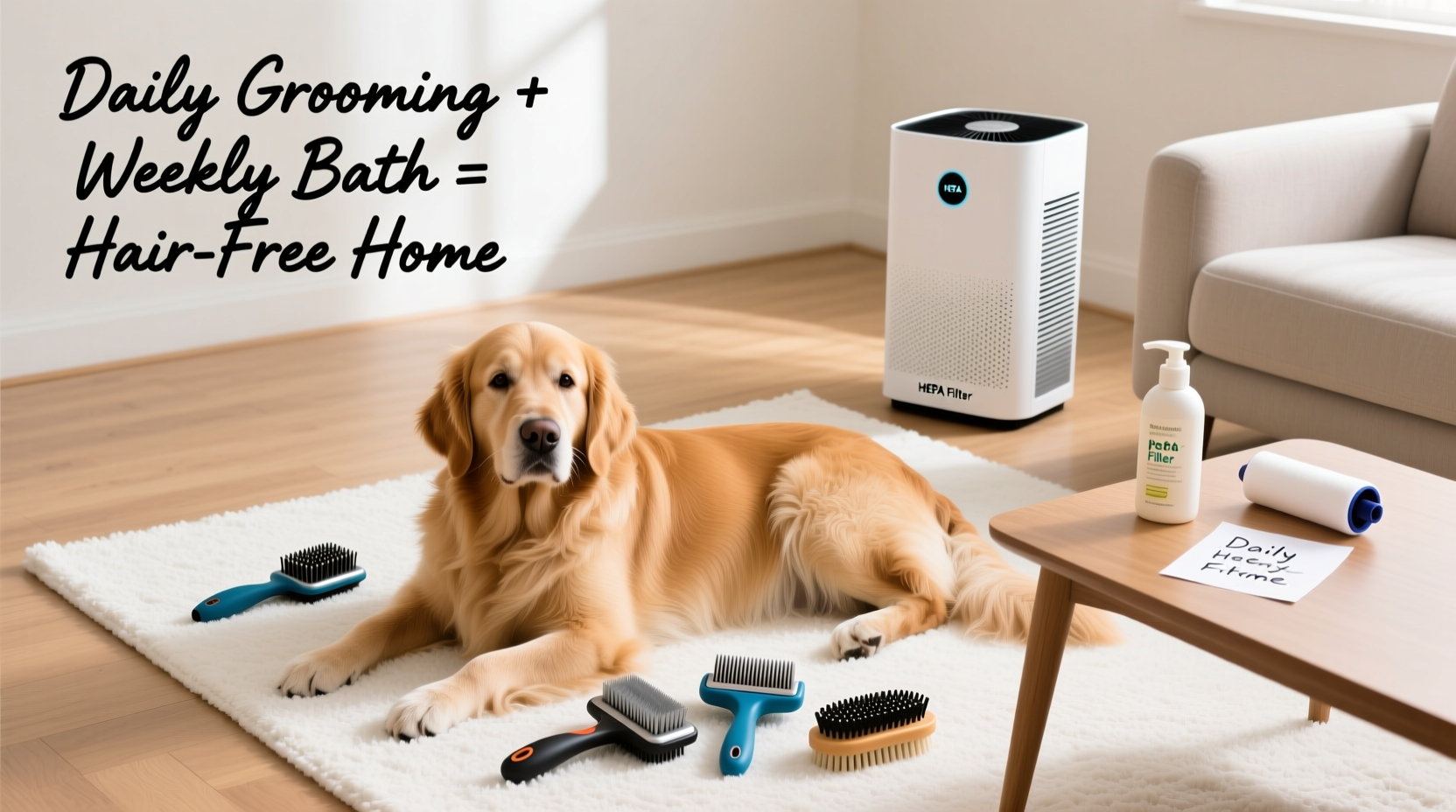
Shedding is a natural biological process. Dogs lose old or damaged hair to make way for new growth. However, the amount and frequency vary widely depending on breed, coat type, health, season, and lifestyle. Double-coated breeds like Huskies, Golden Retrievers, and German Shepherds are notorious for heavy seasonal \"blowing\" of their undercoats, while short-haired breeds like Beagles or Boxers shed consistently year-round.
Factors that exacerbate shedding include poor nutrition, dehydration, stress, allergies, skin infections, hormonal imbalances, and lack of grooming. Recognizing the root cause is essential before implementing solutions. For example, sudden excessive shedding could indicate an underlying medical condition requiring veterinary attention.
“Regular brushing isn’t just about aesthetics—it stimulates blood flow to the skin and helps distribute natural oils, which strengthens hair follicles and reduces breakage.” — Dr. Linda Chen, DVM, Canine Dermatology Specialist
1. Establish a Consistent Grooming Routine
Grooming is the cornerstone of shedding control. Brushing removes loose hair before it ends up on your furniture or floor. The type of brush matters—using the wrong tool can damage the coat or fail to reach the undercoat.
- Slicker brushes work well for long-haired breeds to detangle and remove surface debris.
- Undercoat rakes are ideal for double-coated dogs during peak shedding seasons.
- Rubber grooming mitts are gentle and effective for short-haired breeds.
- De-shedding tools like the Furminator reduce shedding by up to 90% when used correctly.
Frequency depends on coat type. Long-haired dogs may need daily brushing, while short-haired dogs benefit from 2–3 sessions per week. During spring and fall shedding seasons, increase brushing to every other day. Always brush in the direction of hair growth, using gentle but firm strokes to avoid irritating the skin.
2. Optimize Your Dog’s Diet for Skin and Coat Health
Nutrition plays a critical role in coat quality. A diet deficient in essential fatty acids, protein, or vitamins can lead to dry, brittle fur and increased shedding. Omega-3 and Omega-6 fatty acids support skin hydration and reduce inflammation, directly impacting coat resilience.
Look for dog foods that list whole meat as the first ingredient and contain added fish oil, flaxseed, or sunflower oil. Supplements like salmon oil or coconut oil (in moderation) can also improve coat luster and reduce shedding over time. Avoid low-quality kibble filled with fillers like corn and soy, which offer little nutritional value and may trigger allergic reactions leading to excessive hair loss.
| Nutrient | Benefit | Best Sources |
|---|---|---|
| Omega-3 Fatty Acids | Reduces skin inflammation, strengthens hair shafts | Fish oil, chia seeds, salmon |
| Protein | Essential for keratin production in hair | Chicken, beef, eggs, lamb |
| Vitamin E | Protects skin cells, improves moisture retention | Spinach, sunflower oil, almonds (dog-safe forms) |
| Biotin (Vitamin B7) | Promotes healthy hair growth | Eggs, liver, sweet potatoes |
3. Bathe and Condition Strategically
Bathing too frequently can strip natural oils and worsen shedding, but infrequent bathing allows allergens, dirt, and dead skin to accumulate, triggering irritation and hair loss. The ideal frequency is every 4–6 weeks for most dogs, though active or outdoor dogs may need more frequent cleansing.
Always use a dog-specific shampoo formulated for sensitive skin or de-shedding. Oatmeal-based or aloe vera shampoos soothe irritated skin, while conditioning treatments help loosen dead undercoat during shedding season. Rinse thoroughly—residue can cause itching and flaking.
Step-by-Step Bathing Guide
- Brush your dog thoroughly before bathing to remove tangles and loose fur.
- Use lukewarm water to wet the coat completely.
- Apply shampoo, massaging gently into the skin, not just the surface.
- Rinse until water runs clear—this prevents residue buildup.
- Apply a moisturizing conditioner, focusing on prone-to-dryness areas like elbows and tail base.
- Rinse again and towel-dry immediately.
- Use a blow dryer on low heat if your dog tolerates it, brushing simultaneously to remove loosened hair.
4. Control the Home Environment
Even with excellent grooming, some hair will escape. Minimizing its impact requires smart home management. Focus on containment, filtration, and cleaning efficiency.
- Use washable throws or furniture covers on sofas and beds.
- Choose flooring wisely—hardwood, tile, or laminate are easier to clean than carpet.
- Invest in a high-efficiency vacuum with a HEPA filter designed for pet hair.
- Run air purifiers in main living areas to capture airborne dander.
- Wash your dog’s bedding weekly in hot water to remove trapped fur and allergens.
5. Real-Life Example: Managing a Husky’s Seasonal Shedding
Sarah, a dog owner in Colorado, struggled each spring with her Siberian Husky, Luna. Every morning, she’d find clumps of fur on the couch, in the air vents, even in her coffee mug. Vacuuming twice a day wasn’t enough. After consulting a groomer, she implemented a targeted plan: daily brushing with an undercoat rake, bi-weekly baths with a de-shedding shampoo, and adding salmon oil to Luna’s meals.
She also introduced a robotic vacuum that ran daily and switched to microfiber couch covers. Within six weeks, visible fur in the home dropped by over 70%. “I still find the occasional tumbleweed of fur,” Sarah says, “but it’s nothing like before. Luna’s coat looks healthier, and I’m not constantly lint-rolling my clothes.”
Checklist: Weekly Routine to Reduce Shedding
- ✅ Brush your dog 2–5 times per week (more during shedding season)
- ✅ Inspect skin for redness, dryness, or parasites
- ✅ Wipe down furniture and floors with a microfiber cloth
- ✅ Empty vacuum canister or replace bag
- ✅ Check diet—ensure fresh water and high-quality food
- ✅ Run air purifier continuously
- ✅ Wash dog bedding and toys
FAQ
Is there a dog breed that doesn’t shed at all?
No dog is completely non-shedding, but some breeds like Poodles, Bichon Frises, and Shih Tzus shed very little and are considered hypoallergenic. These breeds typically have hair-like coats that grow continuously and require regular trimming.
Can stress really cause my dog to shed more?
Yes. Stress from moving, loud noises, separation, or changes in routine can trigger telogen effluvium—a condition where hair prematurely enters the resting phase and falls out. Reducing anxiety through training, exercise, and safe spaces can help stabilize shedding patterns.
Should I shave my dog to stop shedding?
No. Shaving double-coated breeds can disrupt temperature regulation, damage the coat structure, and lead to improper regrowth. It does not reduce shedding long-term and may increase the risk of skin issues. Trimming is acceptable for mat prevention, but never shave down to the skin unless medically necessary.
Final Thoughts and Call to Action
Minimizing dog shedding isn’t about eliminating it entirely—that’s neither possible nor healthy—but about managing it effectively. With consistent grooming, a nutrient-rich diet, and a few strategic home adjustments, you can dramatically reduce loose hair and enjoy a cleaner, more harmonious living space. The key is consistency and observation: pay attention to your dog’s coat and behavior, and adjust your routine as needed.
🚀 Start today: Pick one strategy from this guide—whether it’s buying a de-shedding tool, switching to a better dog food, or setting a grooming schedule—and implement it this week. Small steps lead to big results. Share your progress or ask questions in the comments below!








