
Keeping cats indoors is one of the most reliable ways to protect them from dangers like traffic, predators, infectious diseases, and toxic substances. While outdoor access may seem enriching, a well-designed indoor environment can provide even greater stimulation, safety, and longevity. With thoughtful planning, indoor living doesn’t mean deprivation—it can be a vibrant, engaging lifestyle for cats. The key lies in understanding their natural instincts and meeting their physical, mental, and emotional needs within the home.
Understanding the Indoor Cat’s Needs
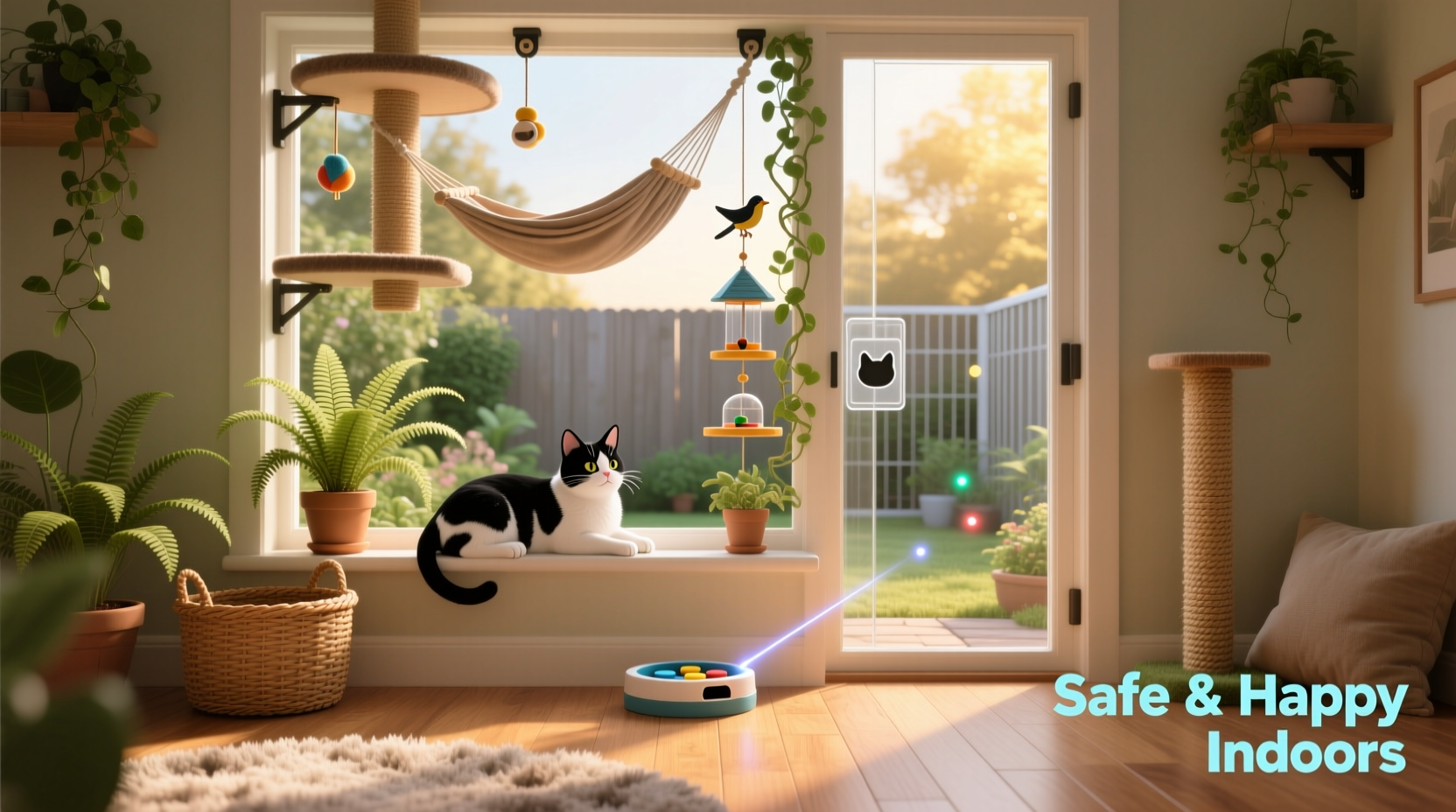
Cats are curious, agile hunters by nature. They thrive on movement, observation, and control over their territory. An indoor-only cat isn’t inherently unhappy—many live longer, healthier lives than their outdoor counterparts—but they require environments that reflect their instinctual behaviors. Without proper outlets, cats may develop stress-related issues such as overgrooming, inappropriate elimination, or aggression.
To support a happy indoor life, focus on four core elements: safety, stimulation, social interaction, and autonomy. Unlike dogs, cats don’t adapt passively to confinement. They need opportunities to climb, scratch, hunt (through play), observe their surroundings, and retreat when overwhelmed. Meeting these needs transforms a house into a dynamic feline habitat.
Tip: Rotate toys weekly to maintain novelty and prevent boredom—cats respond best to variety.Designing a Cat-Friendly Environment
The physical layout of your home plays a major role in your cat’s well-being. Think vertically: cats feel safest when they can survey their domain from above. Install cat shelves, window perches, or multi-level cat trees near windows with views of birds or passing activity. These high vantage points satisfy their predatory curiosity without exposing them to risk.
Scratching is not destructive behavior—it’s essential for claw maintenance, muscle stretching, and territorial marking. Provide multiple scratching surfaces (cardboard, sisal, carpet) in different areas, especially near sleeping zones and entrances. Place them at angles your cat prefers; some cats favor horizontal scratchers, others vertical.
Quiet retreats are equally important. Every cat should have at least one secluded space—a covered bed, a cubby under furniture, or a closed-off room—where they can withdraw undisturbed. This is especially crucial in homes with children or other pets.
| Need | Indoor Solution | Potential Risk if Unmet |
|---|---|---|
| Hunting Instinct | Interactive toys, puzzle feeders | Overeating, boredom, attention-seeking |
| Climbing & Perching | Cat trees, wall shelves, window seats | Anxiety, reduced activity |
| Scratching | Sisal posts, cardboard scratchers | Furniture damage, stress |
| Privacy | Enclosed beds, quiet rooms | Aggression, hiding, avoidance |
Enrichment Through Play and Routine
Daily interactive play mimics the hunt-and-capture sequence cats crave. Use wand toys with feathers or faux prey to encourage stalking, pouncing, and biting. Aim for two 10–15 minute sessions per day—one in the morning and one at dusk, aligning with their natural crepuscular rhythm.
Rotate toys to sustain interest. A toy ignored today might become exciting again in two weeks. Puzzle feeders and treat-dispensing balls turn mealtime into mental exercise, slowing down fast eaters and reducing obesity risk.
“Cats who engage in daily predatory play show lower cortisol levels and fewer behavioral problems.” — Dr. Sarah Ellis, Feline Behavior Scientist, University of Lincoln
Step-by-Step Guide to Daily Enrichment
- Morning session: 10 minutes of wand toy play to simulate hunting.
- Meal dispersion: Use a puzzle feeder instead of a bowl.
- Midday: Rotate two new toys into accessible areas.
- Late afternoon: Window perch time with bird feeder outside.
- Evening: Final play session ending with a small treat to “capture the prey.”
Safely Expanding Horizons: Controlled Outdoor Access
Some cats show strong interest in the outdoors. Rather than allowing free roaming, consider safer alternatives that satisfy their curiosity without compromising safety.
A catio—a secure, enclosed outdoor structure—offers fresh air, sunlight, and sensory stimulation while protecting from predators and traffic. Even a balcony with a mesh enclosure can serve this purpose. Ensure all openings are escape-proof and supervise your cat during visits.
Leash training is another option. Though uncommon, many cats adapt well to harnesses and short walks in quiet, controlled environments like backyards or parks. Start indoors, let your cat wear the harness briefly, then attach a lightweight leash and guide them gently through familiar spaces.
“We trained our tabby, Milo, to walk on a leash in six weeks. Now he enjoys garden strolls every evening—he’s alert, calm, and never pulls.” — Linda Torres, Portland, OR
Health and Behavioral Monitoring
Indoor cats live an average of 12–18 years, sometimes longer. Regular veterinary check-ups—at least once a year—are vital for early detection of conditions like hyperthyroidism, kidney disease, or dental issues. Keep vaccinations current and use parasite prevention consistently.
Monitor behavior closely. Sudden changes—avoiding the litter box, excessive vocalization, or hiding—can signal pain, anxiety, or illness. Address these promptly rather than assuming it’s “just stress.” Multi-cat households require special attention to resource distribution: ensure each cat has separate food bowls, water stations, litter boxes (n+1 rule), and resting spots to avoid competition.
Indoor Cat Care Checklist
- Provide at least one vertical climbing structure
- Offer multiple scratching options in high-traffic areas
- Engage in two interactive play sessions daily
- Use puzzle feeders or hide kibble around the house
- Ensure access to sunny, elevated perches
- Maintain one litter box per cat plus one extra
- Introduce new toys on rotation schedule
- Schedule annual vet exams and dental checks
- Consider a catio or supervised outdoor harness time
- Watch for signs of stress or health changes
Frequently Asked Questions
Won’t my cat be bored or depressed inside?
Not if their environment is enriched. Cats don’t need open fields—they need engagement. With climbing structures, play, and sensory input, indoor cats often display lower stress levels than outdoor cats exposed to constant threats.
How do I stop my cat from scratching the sofa?
Place a preferred scratching surface directly in front of the damaged area. Use catnip or pheromone spray to attract them. Cover the sofa with double-sided tape temporarily, then reward use of the appropriate scratcher. Never punish—redirect positively.
Can I let my cat go outside occasionally?
Occasional unsupervised outings carry significant risks. Instead, offer structured experiences: harness walks, catio visits, or carrier trips to watch birds from a safe distance. Predictability and control reduce danger while fulfilling curiosity.
Creating Lasting Happiness Indoors
Indoor living, when done right, offers cats a long, healthy, and deeply satisfying life. It’s not about restriction—it’s about redirection. By aligning your home with your cat’s instincts, you create a sanctuary where they feel secure, challenged, and loved. The effort you invest in enrichment pays back in stronger bonds, fewer vet bills, and a companion who thrives.
💬 What’s one change you’ve made to enrich your cat’s indoor life? Share your experience and inspire others to build happier homes for their feline friends.








