
Many dog owners assume that once a collar and leash are clipped on, their dog should naturally be ready for a walk. But for countless dogs—especially those new to leashing, rescued from uncertain backgrounds, or simply unaccustomed to restraint���this experience can feel intimidating, confusing, or even frightening. The key to transforming leash time from a struggle into a joyful ritual lies not in force or repetition, but in patience, positive association, and structured training. When done right, leash walking becomes less about control and more about connection.
Understanding Why Dogs Resist the Leash
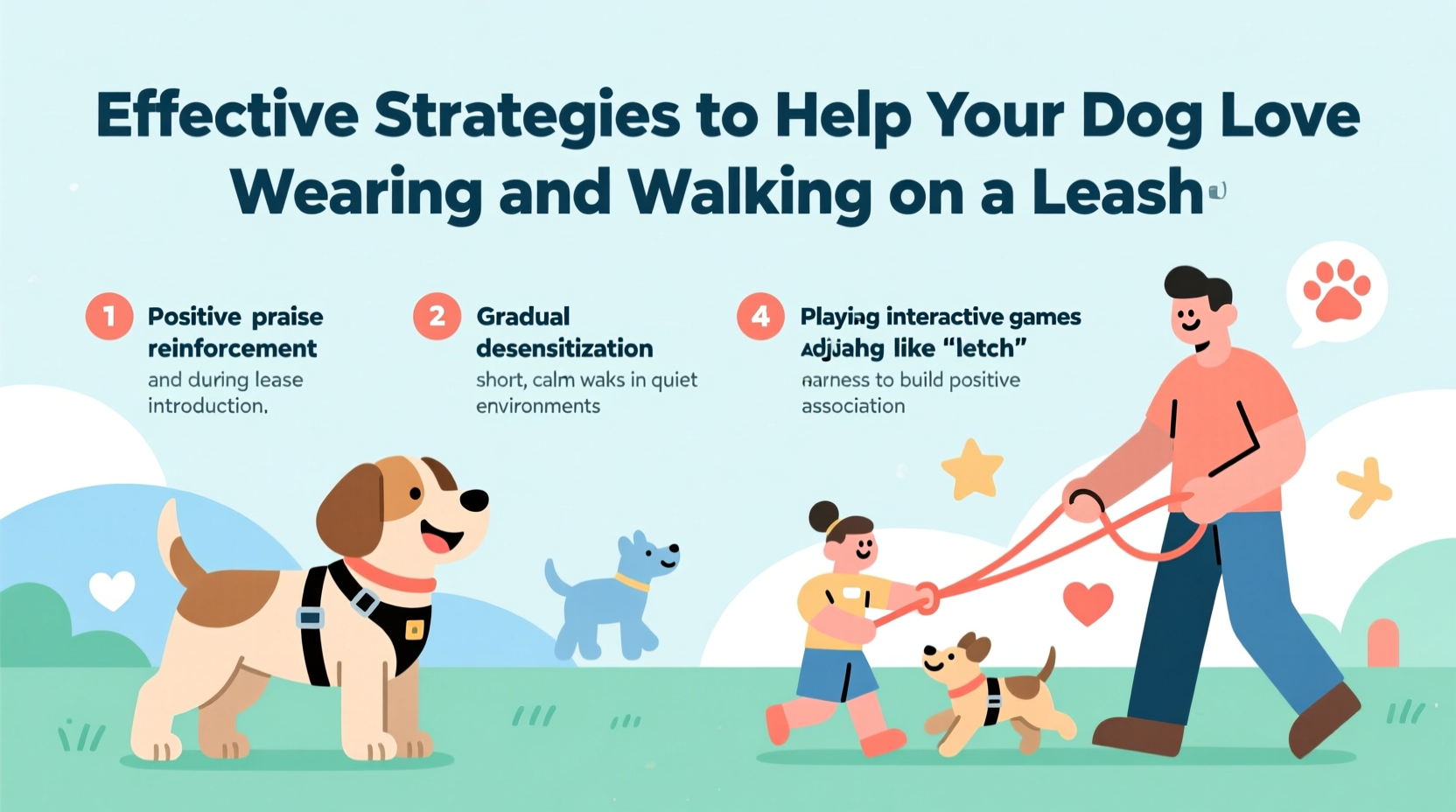
Dogs don’t instinctively understand what a leash means. For some, it signals restriction. Others may have had negative experiences—being yanked, startled by sudden movements, or forced into overwhelming environments. Even well-meaning owners can unintentionally create anxiety by rushing the process or using equipment that causes discomfort.
Common signs of leash aversion include:
- Backing away when the leash appears
- Panting, trembling, or cowering
- Trying to remove the collar or harness
- Refusing to move forward during walks
- Excessive barking or lunging at stimuli
The solution isn't to overpower these reactions, but to rebuild the dog’s emotional response through gradual exposure and reward-based learning.
Tip: Never force a leash onto a fearful dog. Instead, let them investigate it first—on their own terms.Step-by-Step Guide: Building Positive Leash Associations
Transforming your dog’s attitude toward the leash requires consistency and incremental progress. Follow this timeline over days or weeks, depending on your dog’s comfort level.
- Introduce the gear casually. Lay the leash and harness near your dog’s favorite resting spot. Let them sniff, nudge, or ignore it without pressure. Reward curiosity with treats.
- Pair gear with rewards. Every time you pick up the leash, give your dog a high-value treat—even if you’re not going for a walk. This builds a conditioned response: “Leash = good things happen.”
- Clip and unclip indoors. Attach the leash briefly while offering treats. Remove it after a few seconds. Repeat multiple times per day until your dog looks expectantly for treats when they see the leash.
- Wear time without movement. Let your dog wear the harness or collar (with leash dragging) in a safe indoor space. Supervise closely. Reward calm behavior.
- Attach and follow. Hold the leash loosely and follow your dog around the house. Don’t pull or guide—just allow them to get used to the sensation of something trailing behind.
- Begin short outdoor sessions. Step outside together, but don’t expect walking. Stand still, offer treats, and return inside. Gradually increase duration as confidence grows.
This process rewires your dog’s brain to associate the leash with safety and reward—not constraint.
Selecting the Right Equipment
Not all leashes and harnesses are created equal. Ill-fitting or punitive gear can cause physical discomfort and deepen fear. Choosing the right tools is foundational to success.
| Equipment Type | Best For | Avoid If… |
|---|---|---|
| Front-clip harness | Dogs who pull or need gentle steering | Dog has shoulder sensitivity or injury |
| Back-clip harness | Calm walkers or small breeds | Dog tends to pull strongly |
| Standard 6-foot leash | Most everyday walks | You need long-range control (e.g., trails) |
| Retractable leash | Open areas with low distraction | Busy streets, other dogs nearby, or poor impulse control |
| Head halter (e.g., Gentle Leader) | Dogs with strong pulling tendencies | Dog shows neck or spine issues |
Always ensure a proper fit: you should be able to slide two fingers comfortably under the collar or harness straps. Avoid collars that put pressure on the trachea, especially in small or brachycephalic breeds.
Mini Case Study: Turning Fear into Freedom
Milo, a two-year-old rescue terrier mix, would tremble and hide whenever his owner reached for the leash. Previous owners had used a choke chain, and Milo associated the act of leashing with pain and confusion. His new guardian, Sarah, started fresh. She left the leash coiled on the floor for three days, dropping chicken treats nearby each time she passed it. After a week of “leash = treats,” she clipped it on for five seconds while feeding him pieces of boiled liver. Over the next ten days, Milo began approaching the leash himself. By day 18, he stood calmly as it was attached. Their first outdoor session lasted 90 seconds—standing on the porch eating treats. Within six weeks, Milo was walking 20 minutes daily, tail wagging, checking in with Sarah every few steps. The transformation wasn’t due to discipline, but to trust rebuilt one treat at a time.
Teaching Loose-Leash Walking Without Force
Once your dog accepts the leash, the next challenge is walking beside you without pulling. Traditional methods often rely on corrections, but modern behavioral science favors positive reinforcement.
Use this technique:
- Walk forward only when the leash is slack.
- The moment it tightens, stop moving.
- Wait patiently—sometimes just two seconds—for your dog to turn back or loosen the line.
- When slack returns, mark with a word like “yes” or a click, then reward.
- Resume walking.
This teaches your dog that pulling leads nowhere, while walking calmly moves the adventure forward. It may take dozens of repetitions, but the lesson sticks because it’s self-reinforcing.
“Dogs don’t pull because they’re stubborn—they pull because it works. Our job is to make not pulling work better.” — Dr. Kendra Graham, Certified Veterinary BehavioristTip: Practice loose-leash walking in low-distraction areas first—like a quiet backyard or empty parking lot—before moving to busier streets.
Essential Checklist for Leash Success
Follow this checklist to ensure you're setting both you and your dog up for long-term success:
- ✅ Choose a comfortable, properly fitted harness or collar
- ✅ Use high-value treats (e.g., chicken, cheese, hot dog bits)
- ✅ Introduce the leash gradually, without forcing contact
- ✅ Reinforce positive associations daily, even on non-walk days
- ✅ Keep early walks short and stress-free
- ✅ Stop and reset when the leash tightens—don’t yank
- ✅ End every session on a positive note, even if brief
- ✅ Avoid retractable leashes during training phases
- ✅ Be patient—progress may be slow, but it’s lasting
Frequently Asked Questions
My dog used to love walks but now refuses to go. What changed?
Sudden reluctance can stem from a negative event—a loud noise, aggressive dog encounter, or painful step (e.g., stepping on glass). Medical issues like joint pain or ear infections can also make walking uncomfortable. Rule out health problems with a vet visit, then reintroduce walks gradually using positive reinforcement.
Should I use a harness or a collar?
For most dogs, especially those prone to pulling or with respiratory sensitivities, a well-fitted harness is safer and more humane. Collars can place dangerous pressure on the neck, potentially injuring the trachea, thyroid, or cervical spine. A front-clip harness gives gentle directional control without choking.
How long does it take to train a dog to love the leash?
It varies widely—from a few days for confident dogs to several weeks for fearful or traumatized ones. The timeline matters less than consistency. Rushing leads to setbacks; steady, reward-based training builds lasting confidence.
Conclusion: Transforming Tension into Trust
Helping your dog love the leash isn’t about mastering obedience—it’s about building mutual understanding. Every dog deserves to feel safe, respected, and excited about exploring the world. With thoughtful preparation, the right tools, and an abundance of patience, even the most reluctant leasher can become a joyful walking companion. Start where your dog is, celebrate small wins, and remember: the goal isn’t just a walk, but a deeper bond forged one step at a time.
🚀 Ready to begin? Pick up the leash today—not to go somewhere, but to drop a treat and say, “This is safe.” That small moment could change everything.








