
Introducing a new dog vest into a household with cats can create unexpected tension. While the vest itself poses no direct threat, its appearance, scent, and association with movement or excitement may unsettle even the most composed feline. Cats are creatures of habit, highly attuned to changes in their environment. A sudden addition like a dog wearing a vest—especially if it alters the dog’s behavior or signals an outing—can trigger anxiety, fear, or defensive aggression. The key to harmony lies not in removing the vest, but in guiding your cat through a thoughtful adjustment process that respects their instincts and emotional needs.
Understanding Feline Reactions to New Stimuli
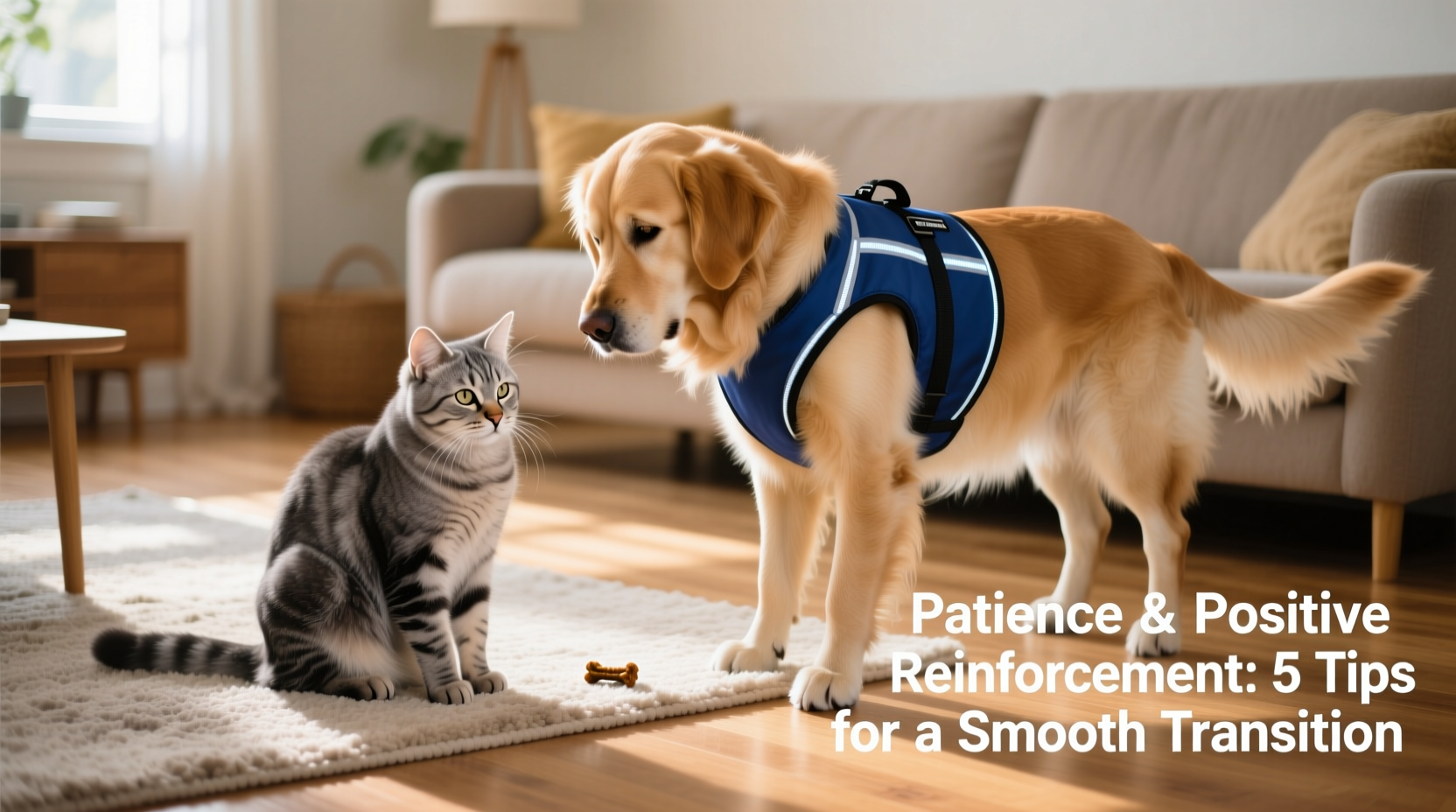
Cats rely heavily on routine and environmental predictability. When a dog begins wearing a vest, several subtle shifts occur: the dog’s silhouette changes, new scents are introduced (from fabric, dyes, or outdoor exposure), and behavioral patterns may shift—such as increased alertness or preparation for walks. These changes can signal unpredictability to a cat, activating their natural vigilance.
Feline stress often manifests through avoidance, hiding, flattened ears, dilated pupils, or even redirected aggression. It's crucial to recognize these signs early. Misinterpreting them as stubbornness or jealousy undermines the opportunity to support your cat effectively. Instead, approach the situation with empathy and patience, understanding that your cat isn’t resisting the vest—it’s reacting to a perceived disruption in safety.
Tip: Monitor your cat’s body language closely during initial exposures. Retreat or prolonged observation from a distance is normal; aggressive posturing may require slower reintroduction.Step-by-Step Introduction Process
Gradual exposure is the cornerstone of successful adjustment. Rushing the process risks reinforcing negative associations. Follow this structured timeline to build familiarity safely:
- Phase 1: Neutral Exposure (Days 1–2) – Place the clean vest in a common area without the dog wearing it. Allow the cat to investigate at will. Do not force interaction.
- Phase 2: Scent Association (Days 3–4) – Let the dog wear the vest while remaining calm and stationary. Keep interactions low-energy. Reward both pets for relaxed behavior.
- Phase 3: Controlled Movement (Days 5–7) – Have the dog move slowly around the house while wearing the vest. Maintain a safe distance between pets initially, gradually decreasing it as comfort increases.
- Phase 4: Positive Reinforcement Integration (Ongoing) – Pair vest appearances with positive experiences: treat time, play sessions, or feeding. This helps the cat associate the vest with good outcomes.
- Phase 5: Real-World Testing (After Week 1) – Simulate departure cues (keys, leashes) while the dog wears the vest. Observe the cat’s response and intervene if stress escalates.
Each phase should last until the cat shows consistent signs of neutrality or curiosity—never fear. If regression occurs, return to the previous phase and extend the duration.
Do’s and Don’ts When Introducing the Vest
| Do | Don’t |
|---|---|
| Let the cat approach the vest on their own terms | Hold the vest near the cat to “get them used to it” |
| Use treats or toys to create positive associations | Force interaction or corner the cat |
| Maintain a calm, predictable environment | Allow the dog to chase or excite while wearing the vest |
| Provide elevated escape routes and hiding spots | Block access to safe zones during exposure |
| Wash the vest regularly to minimize strong odors | Use heavily scented detergents or sprays |
Expert Insight on Multi-Pet Household Dynamics
“Cats don’t react to objects—they react to what those objects represent. A dog’s vest often signals change, activity, or separation, which can feel destabilizing. The solution isn’t to hide the vest, but to decouple it from stress by building new, positive routines around it.” — Dr. Lena Patel, Certified Feline Behavior Consultant
This perspective underscores the importance of associative learning. By consistently pairing the vest with calmness, rewards, and stability, you reframe it in your cat’s mind—not as a threat, but as a neutral or even beneficial element of daily life.
Real-Life Example: Adjusting Bella to Max’s Hiking Vest
In Portland, Oregon, Sarah adopted a rescue dog named Max, who required a durable hiking vest for weekend trails. Her 4-year-old tabby, Bella, immediately became reclusive whenever Max wore it. At first, Sarah assumed Bella would “get over it,” but after three weeks of sustained hiding and litter box avoidance, she consulted a behavior specialist.
Following a structured plan, Sarah began leaving the vest on the living room floor with catnip nearby. After two days, Bella sniffed it. Over the next week, Max wore the vest during quiet evening lounging, while Sarah fed Bella her favorite tuna flakes nearby. Within ten days, Bella resumed her usual perch on the sofa—even when Max moved around in the vest. By day 14, she no longer reacted at all.
The turning point was consistency and positive reinforcement. The vest never became a trigger because it was never linked to chaos or fear.
Tip: Use high-value treats (like cooked chicken or freeze-dried fish) during exposure sessions to strengthen positive associations.Essential Checklist for a Smooth Transition
- ✅ Choose a quiet time of day for initial introductions
- ✅ Wash the vest before first use to remove manufacturing odors
- ✅ Allow the cat unrestricted access to escape routes and safe spaces
- ✅ Keep the dog calm and under control during early phases
- ✅ Reward both pets for non-reactive behavior
- ✅ Monitor the cat’s eating, grooming, and litter habits for signs of stress
- ✅ Extend each phase as needed—don’t rush based on a calendar
- ✅ Consult a veterinarian or behaviorist if avoidance persists beyond two weeks
Frequently Asked Questions
How long does it usually take for a cat to adjust to a dog’s vest?
Most cats show improvement within 7–10 days when using gradual, positive reinforcement methods. However, sensitive or previously traumatized cats may need up to three weeks. The timeline depends more on individual temperament than breed or age.
Can I use pheromone diffusers to help my cat relax?
Yes. Feline facial pheromone diffusers (like Feliway) can significantly reduce environmental stress. Plug one in common areas where the dog wears the vest. Use it consistently for at least two weeks for best results.
What if my cat hisses or swats when seeing the vest?
Occasional defensive behavior is normal during early exposure. Avoid punishment. Instead, increase distance between the cat and the stimulus, and reinforce calm behavior with treats. If aggression persists beyond the second week, slow down the process and consider professional guidance.
Final Thoughts: Building Peace Through Patience
Helping your cat accept a dog’s vest isn’t about dominance or convenience—it’s about fostering a stable, respectful multi-pet home. Success doesn’t come from speed, but from sensitivity to your cat’s emotional rhythm. Every small step toward neutrality is a victory. With structured exposure, consistent positivity, and a deep understanding of feline psychology, you can transform a potential source of conflict into a non-event.
💬 Have you successfully helped your cat adapt to a dog’s gear? Share your story in the comments and support other pet owners navigating the same journey.








