A saltwater aquarium is a living work of art—vibrant corals, graceful fish, and flowing invertebrates create a mesmerizing underwater world. But when unsightly hair algae takes over, that beauty can quickly fade. Hair algae, known for its stringy, green or brown filaments, clings to rocks, glass, and equipment, suffocating corals and disrupting water clarity. Left unchecked, it signals deeper imbalances in your tank’s ecosystem. The good news: with the right approach, you can eliminate hair algae and restore balance. This guide covers proven, science-backed methods to reclaim your tank and keep it pristine.
Understanding Hair Algae: What It Is and Why It Grows
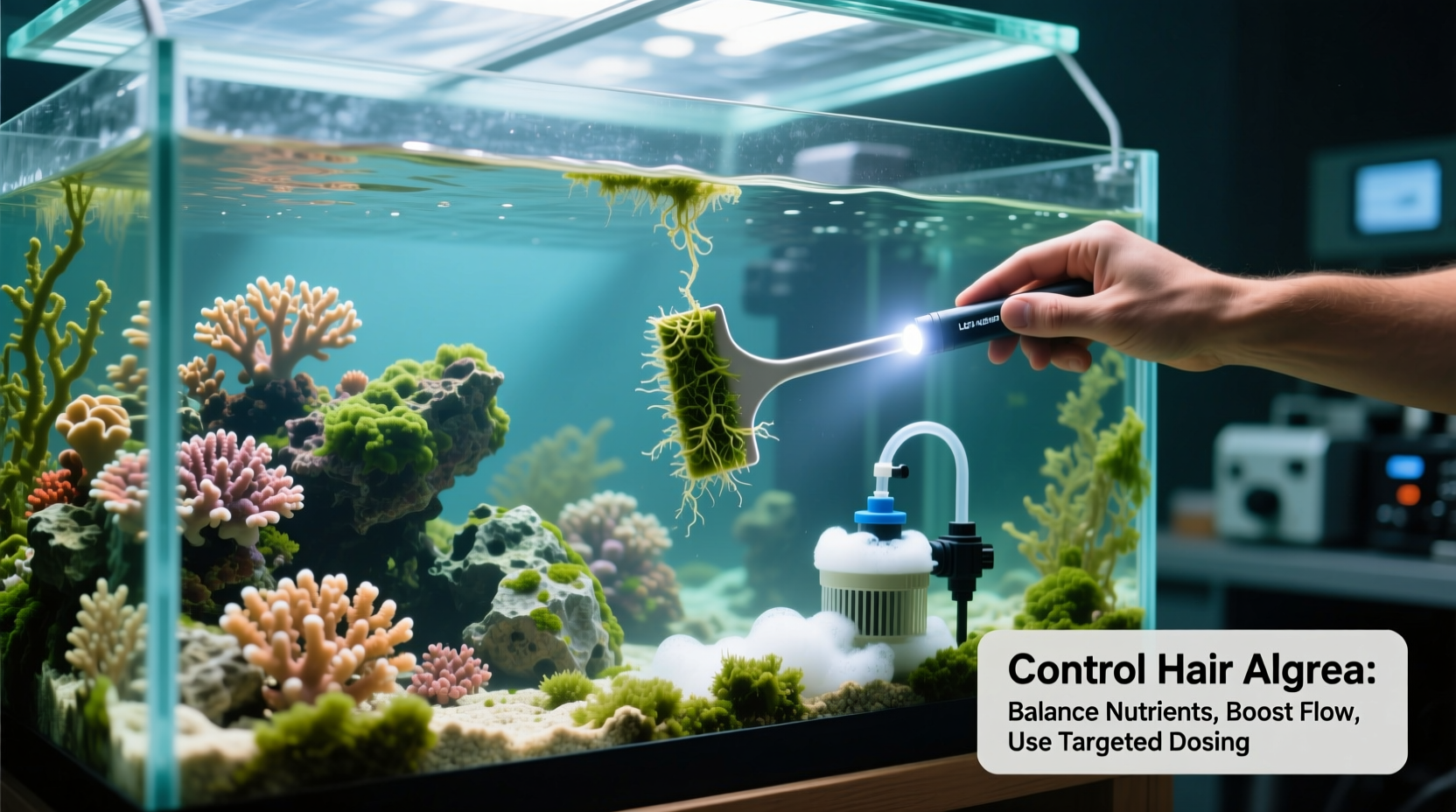
Hair algae (often referred to as filamentous algae) typically appears as fine, thread-like strands that grow in dense mats across substrate, live rock, and decorations. While not inherently toxic, excessive growth indicates underlying issues such as nutrient imbalance, poor water flow, or lighting problems.
The primary drivers of hair algae include:
- Excess nutrients: High levels of nitrates and phosphates from overfeeding, inadequate filtration, or decaying organic matter.
- Inadequate water movement: Stagnant zones allow algae spores to settle and thrive.
- Imbalanced lighting: Too much light duration or intensity, especially if spectrum favors algal growth.
- Limited competition: Lack of beneficial macroalgae or fast-growing corals that outcompete nuisance species.
Addressing these root causes—not just removing visible growth—is essential for long-term success.
Tip: Test your water weekly for nitrates and phosphates. Levels above 5 ppm NO₃⁻ and 0.03 ppm PO₄³⁻ often trigger algae outbreaks.Step-by-Step Guide to Eliminating Hair Algae
Eradicating hair algae requires a systematic approach. Follow this timeline to restore clarity and stability:
- Day 1–3: Manual Removal – Use tweezers or a soft toothbrush to physically remove as much algae as possible. Avoid breaking filaments, which can spread fragments.
- Day 4: Assess and Adjust Lighting – Reduce photoperiod to 6–8 hours daily. If using LEDs, shift spectrum toward blue-heavy settings less favorable to green algae.
- Day 5–7: Water Change & Filtration Boost – Perform a 25% water change. Add activated carbon or a phosphate remover (e.g., GFO) to your filter.
- Week 2: Introduce Algae Competitors – Add a refugium with Chaetomorpha or place fast-growing macroalgae in display tanks to consume excess nutrients.
- Week 3+: Monitor and Maintain – Continue testing water, maintain protein skimming, and gradually return lighting to optimal levels once algae are under control.
This phased method prevents shock to the system while systematically targeting each contributing factor.
Effective Algae Control Tools and Organisms
Biological controls are among the most sustainable ways to manage hair algae. Certain invertebrates and fish graze on filamentous growth without harming corals or decor.
| Organism | Effectiveness | Notes |
|---|---|---|
| Tang (e.g., Yellow Tang) | High | Needs large tank (75+ gallons); excellent grazer but may nip at soft corals. |
| Emerald Crab | Moderate | Targets hair algae; avoid with small ornamental shrimp. |
| Lawnsnail (Nassarius spp.) | Low | More active in sandbeds; limited impact on established algae. |
| Chaetomorpha (in refugium) | Very High | Outcompetes hair algae for nutrients; harvest regularly. |
| Blastomussa Coral (indirect) | N/A | Doesn’t eat algae but grows fast enough to shade out patches. |
Always research compatibility before adding new species. Overstocking grazers can lead to starvation or aggression.
“Hair algae isn’t a problem to be scrubbed away—it’s a symptom. Fix the water, and the algae fixes itself.” — Dr. Lena Torres, Marine Aquaculture Biologist
Prevention Checklist: Keep Your Tank Crystal Clear
Once you’ve eliminated hair algae, prevention is key. Use this checklist weekly to maintain balance:
- ✅ Test nitrate and phosphate levels every 7 days
- ✅ Perform 15–20% water changes biweekly
- ✅ Clean mechanical filters and skimmer cups weekly
- ✅ Feed fish only what they consume in 2 minutes, once daily
- ✅ Ensure all areas of the tank receive moderate to high flow
- ✅ Trim and harvest macroalgae in refugia every 10–14 days
- ✅ Inspect equipment for biofilm buildup (especially pumps and intakes)
Consistency beats intensity. Small, regular maintenance prevents sudden crashes and algae resurgence.
Real Example: Recovering a 90-Gallon Reef Tank
Mark S., an aquarist in San Diego, noticed green hair algae spreading rapidly across his 90-gallon reef setup after upgrading to brighter LED lights. Within three weeks, it covered 40% of his live rock. He initially tried increasing snail populations, but saw no improvement.
After consulting a local reef club, he took action:
- Reduced lighting from 10 to 7 hours per day
- Installed a second powerhead to eliminate dead zones
- Added a 15-gallon refugium with Chaetomorpha lit on reverse cycle
- Introduced a single yellow tang (after quarantining)
- Started biweekly 20% water changes with RO/DI top-offs
Within six weeks, the algae receded significantly. By week ten, only minor traces remained—easily managed by the tang and routine cleaning. His water tests showed nitrates dropped from 18 ppm to 3 ppm, and phosphates stabilized at 0.02 ppm.
Mark’s experience underscores that while hair algae is persistent, a multi-pronged strategy delivers lasting results.
Frequently Asked Questions
Can I use hydrogen peroxide to kill hair algae?
Yes, but cautiously. A diluted solution (1–2 ml of 3% H₂O₂ per gallon) applied directly with a syringe can kill localized patches. However, overuse harms beneficial bacteria and sensitive invertebrates. Always turn off filtration during treatment and resume after 15 minutes. Not recommended for tanks with clams or tube worms.
Why does hair algae keep coming back after cleaning?
Manual removal only addresses symptoms. Recurrence means underlying conditions—such as high nutrients, poor flow, or lighting imbalance—remain unresolved. Focus on water quality and ecological balance rather than frequent scrubbing.
Are UV sterilizers effective against hair algae?
UV sterilizers target free-floating algae and pathogens but won’t stop attached hair algae. However, they can reduce algal spores in the water column, helping prevent new outbreaks when used alongside other methods.
Final Thoughts: Achieving Lasting Clarity
A crystal clear saltwater aquarium isn’t about perfection—it’s about balance. Hair algae is not a failure, but feedback. By listening to what it tells you about your tank’s chemistry, flow, and biology, you gain deeper insight into maintaining a thriving marine ecosystem.
Success comes not from quick fixes, but from consistent observation, proactive maintenance, and informed adjustments. Whether you’re managing a nano reef or a large display, the principles remain the same: starve the algae, empower the competitors, and support the system.
💬 Have a hair algae battle story or a successful remedy? Share your experience below—your insight could help another aquarist turn their tank around!








