
Living with pets brings joy, companionship, and often, a few lingering smells. Whether it's the damp-dog scent after a rainwalk or the occasional litter box incident, pet odors can embed themselves in carpets, furniture, and air if not addressed properly. The key isn’t just masking smells—it’s eliminating them at the source. With the right combination of cleaning techniques, environmental management, and preventive habits, you can enjoy a clean, inviting home that both you and your pets love.
Understand the Source of Pet Odors
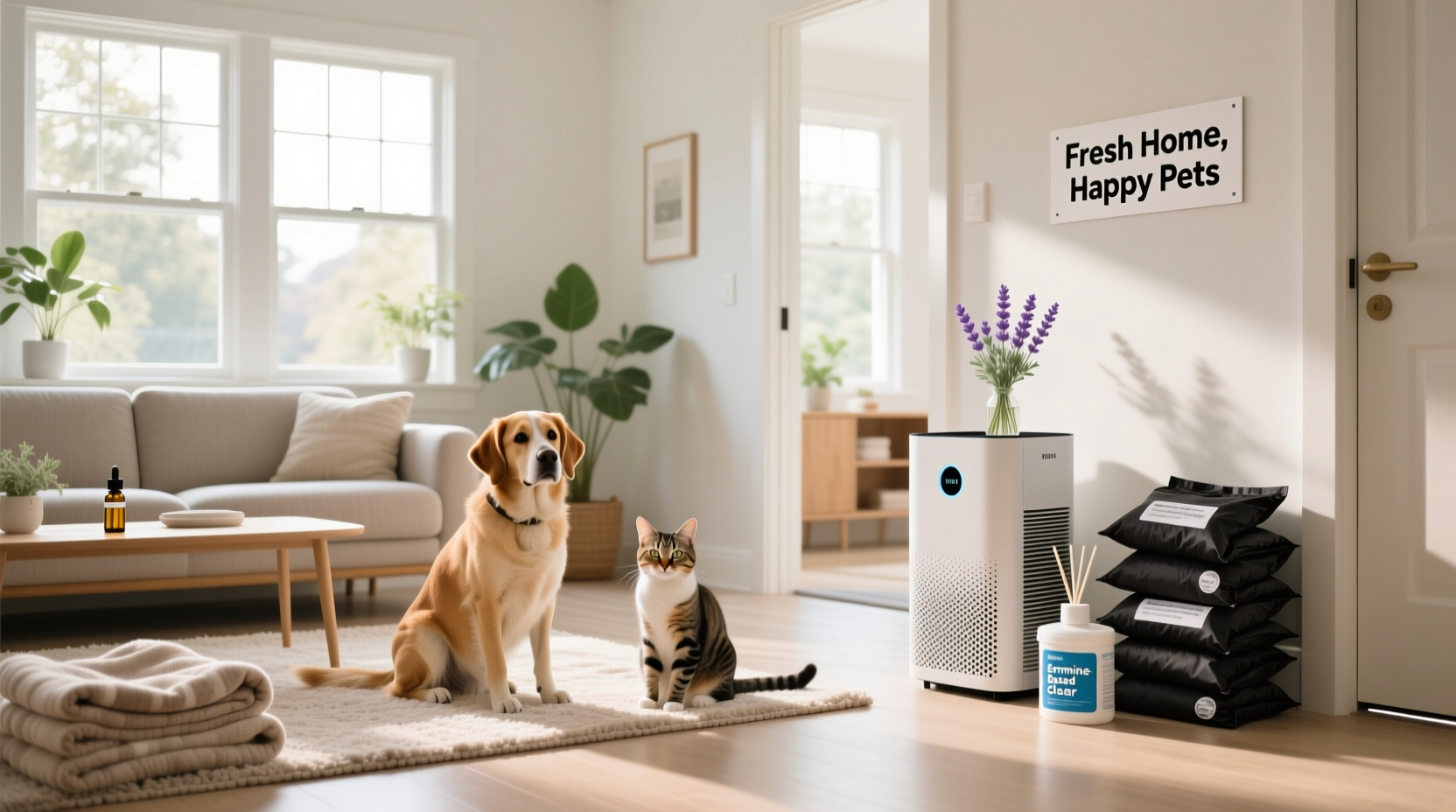
Pet odors aren't one-size-fits-all. Dogs and cats produce different types of smells based on their biology, behaviors, and living conditions. Common sources include:
- Urine and feces: Especially problematic when accidents occur on carpets or upholstery. Ammonia from dried urine is a primary culprit.
- Skin and coat oils: Dogs naturally secrete oils that can accumulate on furniture and bedding.
- Breath and saliva: Oral health issues in pets can lead to persistent bad breath that permeates shared spaces.
- Litter boxes: Even well-maintained boxes can emit ammonia and sulfur compounds over time.
- Damp fur: Wet dogs carry a distinct \"wet animal\" smell caused by microbial breakdown of skin lipids.
Identifying the origin of each odor allows for targeted treatment. For example, enzymatic cleaners work best on organic stains, while activated carbon filters excel at neutralizing airborne particles.
Tip: Always check under furniture and behind curtains—these areas trap pet hair and dander, which contribute to background odors.Step-by-Step Guide to Deep Cleaning Problem Areas
Effective odor removal requires more than surface wiping. Follow this timeline to thoroughly address contamination zones:
- Isolate the area: Prevent further tracking by restricting pet access temporarily.
- Blot immediately: For fresh spills, use paper towels to absorb as much liquid as possible—do not rub.
- Apply an enzymatic cleaner: Choose a product containing live bacteria and enzymes (e.g., Nature's Miracle, Rocco & Roxie). These break down uric acid crystals and eliminate odor at the molecular level.
- Cover and wait: Allow the solution to dwell for 5–15 minutes (follow label instructions) to ensure full penetration.
- Blot again and air dry: Use clean cloths to remove excess moisture. Avoid heat drying, which can set stains.
- Vacuum after drying: Once fully dry, vacuum treated areas to lift residual particles.
- Repeat if necessary: Persistent odors may require a second application.
This method works particularly well on carpets, rugs, and fabric-covered furniture. For hard surfaces like tile or hardwood, follow up with a vinegar-water rinse (1:3 ratio) to neutralize pH and deter future marking.
Do’s and Don’ts of Pet Odor Management
| Do’s | Don’ts |
|---|---|
| Use enzymatic cleaners for biological messes | Use ammonia-based cleaners—they mimic urine scent and attract pets back to the spot |
| Vacuum weekly with a HEPA filter vacuum | Ignore hidden spots like baseboards or under cushions |
| Wash pet bedding every 7–10 days | Overuse air fresheners—they mask but don’t solve problems |
| Brush pets regularly to reduce shedding | Steam clean urine-stained areas without pre-treatment—heat sets odors permanently |
| Place odor-absorbing bowls of baking soda in high-traffic zones | Allow pets to sleep on untreated accident sites |
Expert Insight: Why Enzymes Outperform Chemical Deodorizers
“Most store-bought cleaners only cover up odors. True elimination happens when enzymes digest the organic compounds causing the smell. That’s why products with live cultures are essential for homes with pets.” — Dr. Lena Torres, Veterinary Dermatology Specialist
Unlike chemical solvents or fragrances, enzymatic solutions replicate natural decomposition processes. They target proteins, fats, and carbohydrates found in urine, feces, and saliva. This biological approach ensures long-term freshness rather than temporary relief.
Real Example: How One Family Eliminated Lingering Cat Urine Smell
The Carter family adopted a senior cat who occasionally missed the litter box. Despite daily scooping and monthly box changes, a faint ammonia smell lingered in their guest bathroom. They tried sprays, candles, and even replaced the rug—but the odor returned.
After consulting a pet hygiene specialist, they discovered the issue wasn’t the floor, but the baseboard gap behind the toilet. Urine had seeped into the wall cavity over months. Their solution?
- Removed the baseboard section and cleaned the interior with a foaming enzymatic gel.
- Installed a moisture-resistant barrier before reattaching trim.
- Placed a small charcoal air purifier in the room.
- Added a second litter box on the main floor to reduce stress-related avoidance.
Within two weeks, the odor disappeared completely. This case underscores the importance of investigating beyond visible surfaces.
Essential Odor Prevention Checklist
Maintaining a fresh home is easier with consistent habits. Use this checklist weekly:
- ✅ Vacuum all floors, including under furniture and along edges
- ✅ Wipe down pet beds and crates with pet-safe disinfectant
- ✅ Clean litter boxes with hot water and mild soap (no bleach)
- ✅ Groom pets to minimize loose hair and dander
- ✅ Replace HVAC filters every 60–90 days
- ✅ Refresh carpets with baking soda before vacuuming
- ✅ Inspect high-risk zones (near doors, favorite napping spots) for residue
Frequently Asked Questions
Can I use vinegar to clean pet urine?
Yes, but only as a secondary step. Vinegar neutralizes ammonia, but it doesn’t break down uric acid crystals. First apply an enzymatic cleaner, then use a diluted vinegar solution for final deodorizing. Never mix vinegar with hydrogen peroxide or bleach.
How often should I wash my dog’s toys and blankets?
Wash soft toys and bedding every 7–10 days using fragrance-free detergent. Hard toys can be sanitized weekly with a 1:10 white vinegar-water soak. Air dry completely to prevent mildew.
Are air purifiers effective against pet odors?
High-efficiency models with true HEPA and activated carbon filters significantly reduce airborne allergens and volatile organic compounds (VOCs) from pet waste. Place units in rooms where pets spend the most time for maximum impact.
Final Thoughts: A Fresh Home Is Within Reach
Eliminating pet odors doesn’t require extreme measures or toxic chemicals. It demands consistency, the right tools, and an understanding of how smells form and persist. By incorporating enzymatic cleaners, improving airflow, and staying proactive with grooming and cleaning, you create a healthier environment for everyone—including your four-legged family members.
A fresh-smelling home isn’t about perfection. It’s about smart systems that keep odors from taking root. Start with one room, tackle the biggest offender, and build from there. Small actions compound into lasting results.
💬 Have a tip that transformed your pet-friendly space? Share your experience in the comments—your insight could help another pet owner breathe easier.








