Cat owners often face the frustrating challenge of finding unexpected messes in their homes—despite providing a clean litter box. When a cat repeatedly chooses inappropriate spots like carpets, beds, or corners to defecate, it’s not just inconvenient; it can damage relationships with pets and strain household harmony. The good news is that most indoor elimination issues stem from preventable causes, and solutions exist that are both humane and chemical-free. By understanding feline instincts and applying thoughtful environmental adjustments, you can guide your cat back to proper bathroom habits without resorting to punishment or synthetic deterrents.
Understand Why Cats Poop Outside the Litter Box
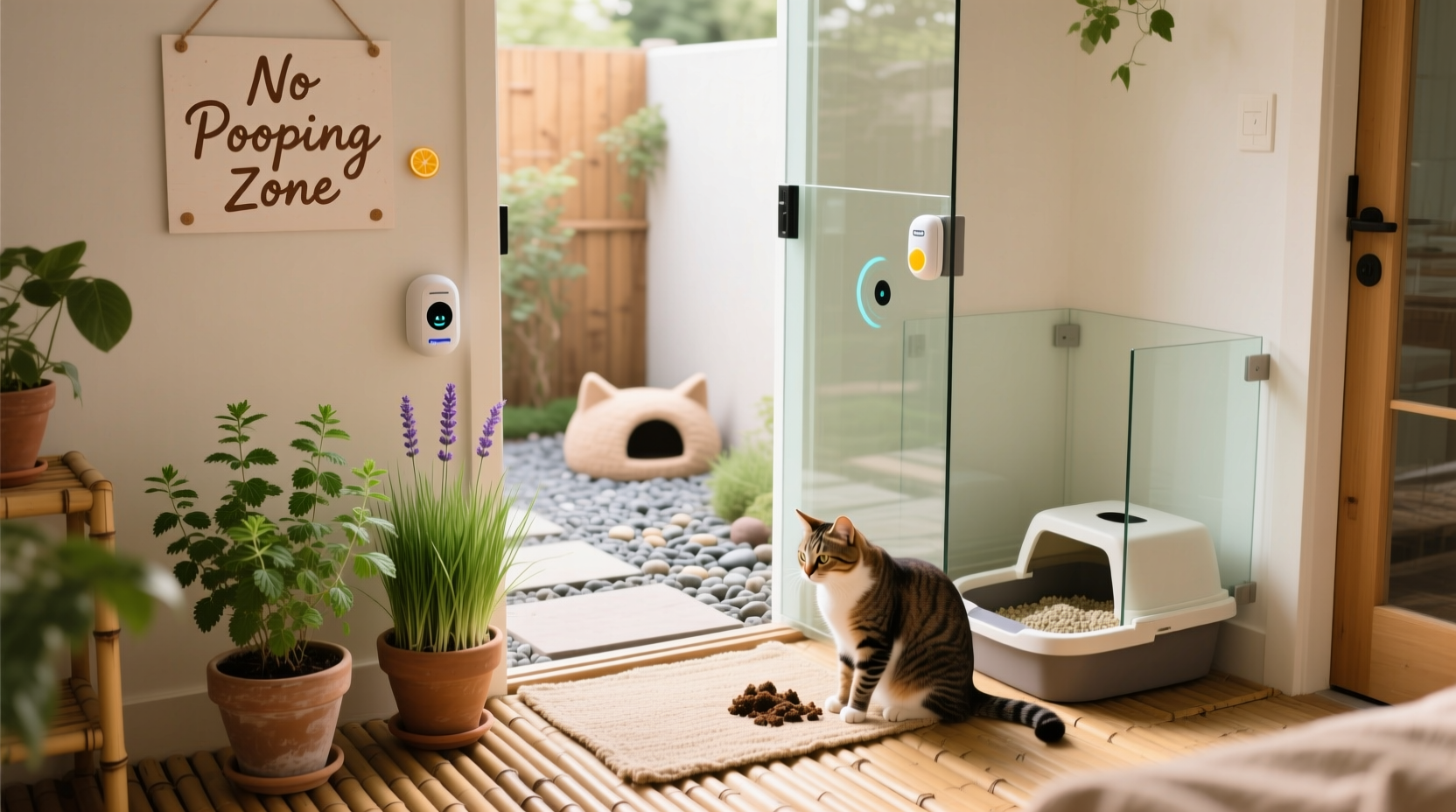
Before implementing any deterrent, it's essential to identify why the behavior is occurring. Cats are fastidious creatures, and when they avoid the litter box, it's usually a signal of discomfort, stress, or confusion. Common reasons include:
- Medical issues: Urinary tract infections, gastrointestinal pain, or arthritis can make using the box painful.
- Litter box dissatisfaction: Wrong type of litter, poor placement, or insufficient cleaning.
- Stress or anxiety: Changes in routine, new pets, or household tension can trigger territorial marking.
- Preference for surface or location: Some cats favor soft textures like rugs or cool tiles over litter.
- Multipet dynamics: Dominant animals may block access, making the box feel unsafe.
Addressing the root cause is more effective than simply trying to repel the cat from soiled areas. A veterinarian should rule out health problems first, especially if the behavior is sudden or accompanied by vocalization, straining, or changes in appetite.
Tip: If your cat has pooped in a specific spot multiple times, clean it thoroughly with an enzymatic cleaner to eliminate lingering odors that attract repeat incidents.Natural Deterrents That Work Without Harming Your Cat
Once medical and psychological factors are addressed, natural deterrents can help retrain your cat’s behavior. These methods rely on feline sensory preferences—cats dislike certain textures, smells, and sounds, which can be used strategically to discourage unwanted elimination.
- Citrus peels or scents: Cats generally avoid strong citrus aromas. Place lemon, orange, or grapefruit peels near problem areas (replace daily). Alternatively, use a diluted citrus essential oil spray (1 drop per cup of water), but never apply directly on surfaces where cats lick.
- Mixed textures: Cover soiled zones temporarily with aluminum foil, plastic sheeting, or upside-down carpet runners (nubby side up). Most cats dislike the feel under their paws.
- Vinegar solution: A 1:1 mix of white vinegar and water neutralizes odor and leaves a scent barrier. Spray on cleaned areas after using an enzymatic cleaner.
- Double-sided tape: Commercial pet tapes create an unpleasant sticky sensation without harm. Apply in small sections where cats linger before eliminating.
- Herb barriers: Grow or place lavender, rosemary, or rue in planters near off-limits zones. While humans find them pleasant, many cats avoid these strong-smelling herbs.
“Cats respond best to environmental modifications rather than punishment. Their behavior is communication, not defiance.” — Dr. Sarah Thompson, Feline Behavior Specialist
Optimize the Litter Box Environment
The most overlooked strategy is improving the appeal of the litter box itself. A well-maintained, accessible box reduces the need for alternative sites. Follow these guidelines:
| Factor | Recommendation | Avoid |
|---|---|---|
| Number of boxes | One per cat + one extra | Only one box for multiple cats |
| Location | Quiet, low-traffic area with easy access | Noisy appliances or isolated basements |
| Cleaning frequency | Scooped daily, fully changed weekly | Infrequent scooping or strong-scented cleaners |
| Litter depth | 2–3 inches of unscented clumping litter | Overfilling or using perfumed varieties |
| Box type | Open-top for visibility; larger size for comfort | Tight enclosures or automatic boxes with loud motors |
Some cats prefer specific litter materials—clay, silica, recycled paper, or even soil-like textures. Experiment gradually by placing two boxes side-by-side with different litters to observe preference.
Mini Case Study: Reclaiming the Living Room Rug
Sophia adopted a rescue cat named Milo who began defecating on her living room rug. After a vet visit ruled out illness, she noticed Milo would sniff the corner, scratch slightly, then eliminate. She cleaned the area with an enzymatic product and covered the spot with aluminum foil for five days. She also added a second litter box on the opposite side of the apartment. Within a week, Milo returned to using the box consistently. The foil was gradually replaced with a textured mat, then removed entirely. The combination of odor removal, physical deterrent, and improved access solved the issue without stress.
Step-by-Step Guide to Restoring Proper Bathroom Habits
Follow this timeline to correct indoor elimination behavior naturally:
- Day 1–2: Schedule a veterinary checkup to exclude medical causes.
- Day 3: Identify all soiled areas and clean them with an enzymatic cleaner.
- Day 4: Apply natural deterrents (e.g., citrus spray, foil) to those zones.
- Day 5: Evaluate and improve litter box setup—number, location, cleanliness.
- Day 6–14: Monitor behavior closely. Reward correct usage with quiet praise or treats.
- Day 15 onward: Gradually remove deterrents once consistent box use is observed for at least seven days.
Patience is critical. Sudden removal of deterrents may lead to relapse. Transition slowly and maintain vigilance for signs of stress or recurrence.
Tip: Never punish a cat for accidents. Yelling or rubbing their nose in waste increases fear and worsens the problem.FAQ
Can I use essential oils to keep my cat away from certain areas?
Use extreme caution. While some oils like citrus may act as mild deterrents, many essential oils (especially tea tree, eucalyptus, and peppermint) are toxic to cats when inhaled or ingested. Always dilute heavily, avoid direct contact, and ensure proper ventilation. Safer alternatives include dried peels or commercial pet-safe sprays.
My cat only uses the bathroom in one specific corner. How do I stop this?
This likely indicates either residual odor or a preferred substrate. Clean the area thoroughly with an enzymatic cleaner, then change the texture using foil, plastic, or a motion-activated air diffuser. Simultaneously, make the litter box more appealing by relocating it closer to the spot (if practical) or adding a second box nearby.
How long does it take to retrain a cat?
Behavioral changes typically take 2–6 weeks with consistent management. Older cats or those with trauma histories may require longer adjustment periods. Success depends more on environmental stability than speed.
Checklist: Natural Indoor Poop Prevention Plan
- ✅ Rule out medical issues with a vet visit
- ✅ Clean all accident sites with enzymatic cleaner
- ✅ Add one extra litter box per household
- ✅ Scoop boxes at least once daily
- ✅ Use unscented, clumping litter at optimal depth
- ✅ Place natural deterrents (citrus, foil, vinegar) on problem spots
- ✅ Avoid ammonia-based cleaners (they mimic urine smell)
- ✅ Monitor behavior and reward correct litter use
- ✅ Remove deterrents gradually after consistent improvement
Conclusion
Stopping a cat from pooping indoors doesn’t require harsh tactics or chemical repellents. With empathy, observation, and consistent environmental adjustments, most cats can be gently guided back to appropriate bathroom habits. The key lies in combining odor elimination, texture modification, and enhanced litter box appeal—all while respecting the cat’s natural instincts. These strategies foster trust and reduce stress, leading to a healthier, happier relationship between pet and owner.
💬 Have a success story or a tricky situation with your cat? Share your experience below—your insight could help another pet parent find a solution!








