
Birdhouses bring life, color, and song to gardens and backyards, offering shelter for nesting birds and delight for nature lovers. However, outdoor cats—whether domestic or feral—pose a significant threat to birds, especially during nesting season. A single agile leap can turn a peaceful birdhouse into a hunting ground. Protecting your feathered tenants isn’t just about preserving the joy of birdwatching; it’s also about supporting local biodiversity and ethical wildlife stewardship.
Cat-proofing a birdhouse requires more than just relocating the structure. It involves thoughtful placement, smart design choices, and sometimes behavioral modifications for pets. The goal is not to harm cats but to deter them effectively while creating a safe haven for birds. With the right combination of physical barriers, environmental cues, and proactive planning, you can significantly reduce the risk to nesting birds without compromising your relationship with neighborhood felines.
Strategic Placement: Location Matters Most
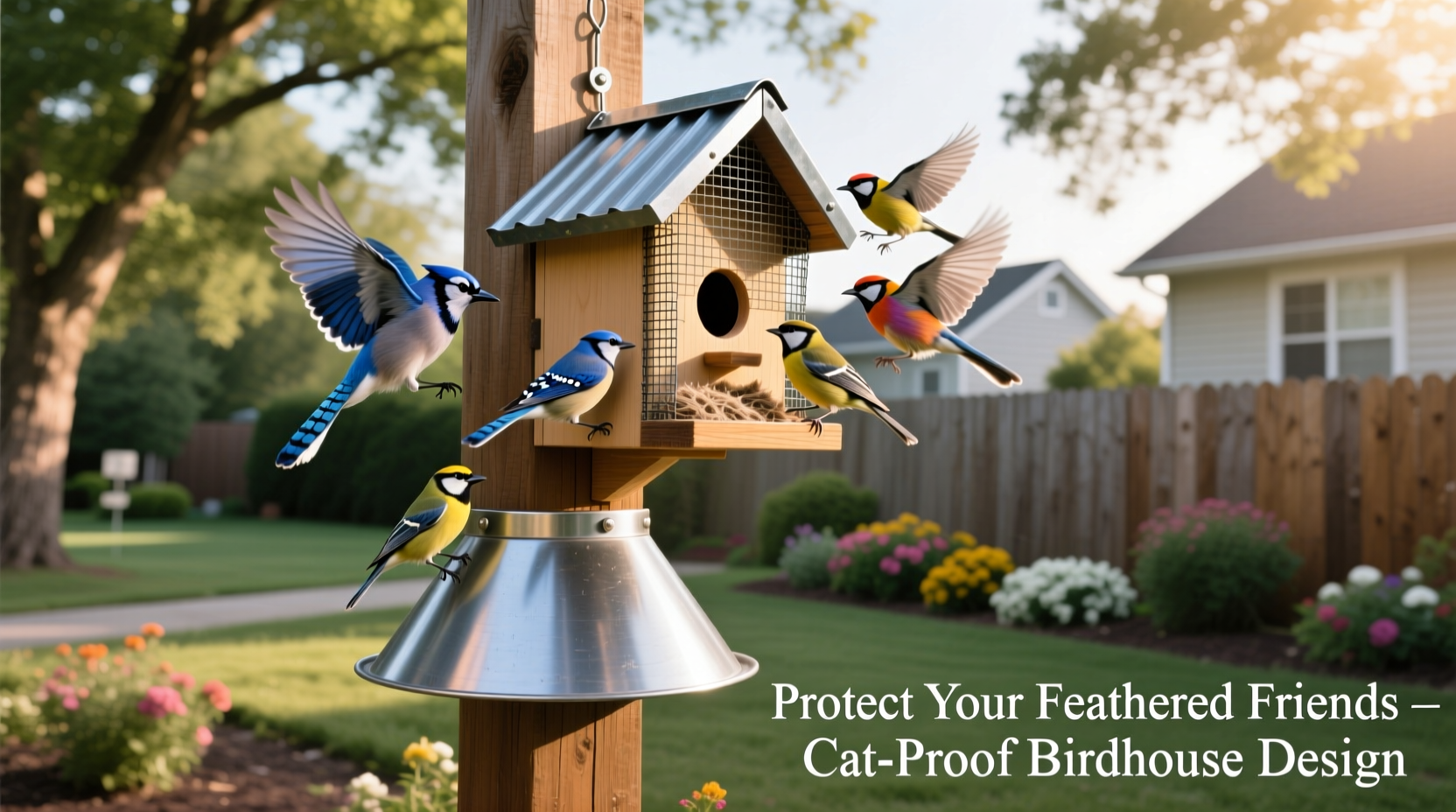
The first line of defense in protecting birds is choosing the right location for your birdhouse. Cats are ambush predators—they rely on stealth, cover, and proximity to launch attacks. By removing access points and minimizing concealment opportunities, you make the area far less appealing to prowling cats.
Mount birdhouses at least 5 to 6 feet above the ground. This height is high enough to discourage most ground-based jumping attempts, especially when combined with other deterrents. Avoid placing birdhouses near fences, trees, shrubs, or structures that cats can use as launching pads. Ideally, the birdhouse should be in an open area with clear sightlines, making it difficult for cats to approach unseen.
Tip: Use a metal pole instead of a wooden post to mount your birdhouse—cats cannot climb smooth metal surfaces easily.If poles aren’t an option, consider installing baffles below the birdhouse. These dome-shaped or cylindrical guards prevent climbing by blocking upward movement. Ensure the baffle is installed at least 4 feet off the ground and angled correctly to be effective.
Design and Construction: Build with Defense in Mind
Not all birdhouses are created equal. Some designs unintentionally invite predation due to poor entrance placement, oversized openings, or flimsy materials. To enhance safety, choose or build a birdhouse with predator-resistant features.
The entrance hole should be appropriately sized for the target species—typically between 1¼ to 1½ inches in diameter for small songbirds like chickadees or wrens. Larger holes allow cats to reach in or even squeeze through. Position the entrance hole at least 6–7 inches above the floor of the birdhouse so that even if a cat reaches in, it cannot grab nestlings or eggs.
Use sturdy, non-toxic materials such as cedar or recycled plastic lumber. Avoid soft woods that can be easily clawed or chewed. Ensure the roof overhangs the entrance by at least 2 inches to shield against rain and make it harder for cats to reach inside.
| Feature | Safe Design | Risky Design |
|---|---|---|
| Entrance Size | 1¼–1½ inches (species-specific) | Over 2 inches or irregular shapes |
| Mounting Surface | Metal pole with baffle | Wooden post near vegetation |
| Floor-to-Entrance Height | 6+ inches | Less than 4 inches |
| Roof Overhang | At least 2 inches | Minimal or none |
Physical Barriers and Deterrents
Even well-placed and well-designed birdhouses benefit from added protection. Physical deterrents create obstacles that discourage cats without causing harm.
Install a cone-shaped or cylindrical baffle beneath the birdhouse. PVC pipe baffles (at least 18 inches long and 8–10 inches in diameter) work well when mounted on poles. For tree-mounted houses, wrap the trunk with a wide metal collar (minimum 24 inches in diameter) angled outward at 45 degrees to prevent climbing.
Another effective method is using motion-activated sprinklers. These devices detect movement and release a short burst of water, startling cats without injury. They are especially useful in yards where stray cats roam regularly.
“Predation pressure from domestic cats is one of the leading causes of nest failure in urban and suburban songbirds.” — Dr. Laura Erickson, Ornithologist and Author, *Living Bird* Magazine
Step-by-Step Guide to Installing a Cat-Proof Birdhouse
- Choose the right birdhouse: Select one with proper dimensions, durable materials, and predator-resistant design.
- Select a safe location: Place it in an open area, away from trees, fences, and dense shrubbery.
- Use a metal mounting pole: Securely install a galvanized steel pole at least 6 feet tall.
- Add a baffle: Install a stovepipe or cone baffle 4–5 feet up the pole, ensuring no gaps.
- Position the birdhouse: Mount it securely on top, facing away from prevailing winds and direct afternoon sun.
- Monitor and maintain: Check monthly for signs of tampering, wear, or nearby cat activity.
Managing Cat Behavior Humanely
If the threat comes from a pet cat, behavior modification is both kinder and more sustainable than exclusion alone. While outdoor access satisfies a cat’s natural instincts, supervised or restricted time outside reduces risks to wildlife.
Consider using a “catio”—an enclosed outdoor patio for cats. This allows fresh air and stimulation without freedom to hunt. Alternatively, train your cat to walk on a harness and leash, giving it controlled outdoor experiences.
Attach a bell to your cat’s collar. Studies show that bells reduce predation success by up to 50%, giving birds time to flee. For maximum effectiveness, use a double-bell system or a brightly colored collar that increases visibility.
Tip: Feed your cat indoors and keep it indoors during dawn and dusk—the peak hunting times for both cats and birds.Mini Case Study: The Johnson Family’s Backyard Transformation
The Johnsons loved watching house wrens nest in their backyard birdhouse each spring. But two years in a row, the nests were destroyed—eggs vanished, chicks missing. After setting up a trail camera, they discovered their neighbor’s cat was scaling a nearby oak tree and leaping onto the birdhouse platform.
They replaced the wooden post with a 6-foot metal pole, added a 24-inch-diameter stovepipe baffle, and moved the house farther from vegetation. They also spoke with their neighbor, who agreed to attach a bell to the cat’s collar. The following season, the wrens returned and successfully raised two broods—with no sign of feline interference.
Frequently Asked Questions
Can I still have outdoor cats and support backyard birds?
Yes, but balance is key. Limit outdoor time, use bells or collars with reflectors, and provide alternative enrichment like window perches or secure enclosures. Keeping cats indoors during breeding season (spring and early summer) greatly reduces bird mortality.
Will a birdhouse baffle really stop a determined cat?
Most baffles are highly effective when properly installed. Cats rarely persist once they realize access is blocked. Combine baffles with strategic placement for maximum protection.
Are there birdhouses specifically designed to resist predators?
Yes. Look for models labeled “predator-resistant” or “nest box with guard.” These often feature extended floors, narrow entrance tunnels, and hardware cloth reinforcement around entry points.
Conclusion: A Safer Haven for Birds Starts Today
Protecting birds from cats doesn’t require drastic measures—just thoughtful planning and consistent effort. By combining smart placement, sturdy construction, and humane cat management, you create a sanctuary where birds can thrive. Every step you take contributes to healthier local ecosystems and more joyful birdwatching experiences.
💬 Have you successfully cat-proofed your birdhouse? Share your story or tips in the comments—your experience could inspire others to protect their feathered neighbors too.








