
Diarrhea in dogs is a common issue that can range from mild and temporary to a sign of serious underlying conditions. While occasional digestive upset may resolve on its own, persistent or severe episodes require attention. Left unmanaged, diarrhea can lead to dehydration, nutrient loss, and discomfort for your pet. The good news is that with the right approach—combining immediate care, dietary adjustments, and preventive habits—most cases can be managed effectively at home. This guide outlines practical, veterinarian-supported strategies to help you calm your dog’s digestive distress and support long-term gut health.
Understanding the Causes of Canine Diarrhea
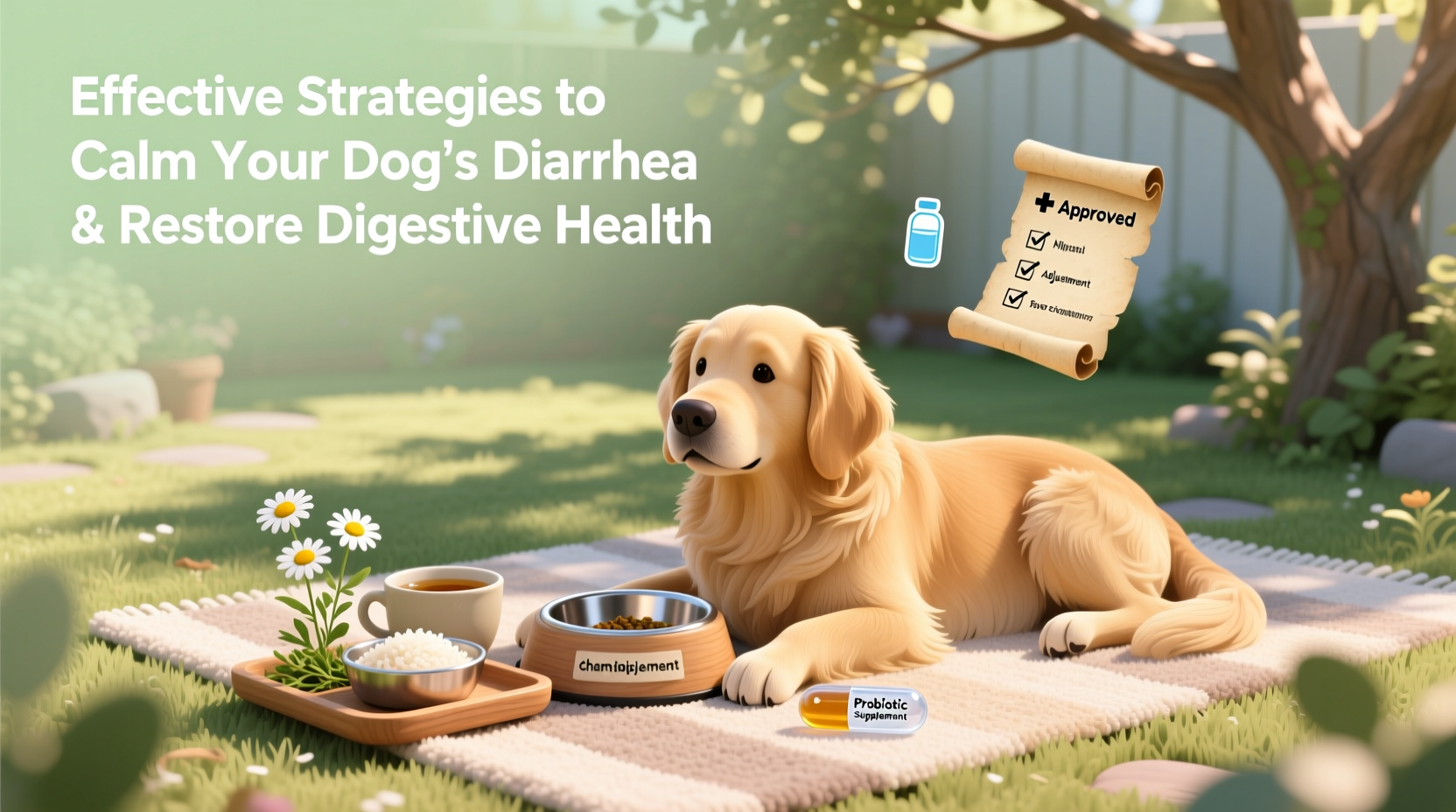
Dog diarrhea occurs when the gastrointestinal tract fails to properly absorb water from the intestinal contents. This can result from a variety of triggers, including dietary indiscretion, infections, stress, parasites, or chronic conditions like inflammatory bowel disease (IBD). Acute diarrhea typically lasts less than two weeks and is often linked to something your dog ate—a spoiled treat, garbage raid, or sudden food change. Chronic diarrhea persists beyond three weeks and may indicate systemic issues requiring veterinary diagnosis.
Common causes include:
- Eating inappropriate items (garbage, table scraps, foreign objects)
- Bacterial or viral infections (e.g., Salmonella, Parvovirus)
- Intestinal parasites (Giardia, roundworms, hookworms)
- Food intolerances or allergies
- Stress or environmental changes
- Medication side effects
- Underlying diseases (pancreatitis, liver disease, cancer)
“Not all diarrhea requires emergency care, but consistency matters. If it lasts more than 48 hours, involves blood, or is paired with lethargy, contact your vet immediately.” — Dr. Laura Chen, DVM, Small Animal Internal Medicine Specialist
Immediate Steps to Calm Acute Diarrhea
When your dog develops sudden diarrhea but remains alert and hydrated, you can often manage the condition at home using a short-term protocol designed to rest the gut and reestablish balance.
Step-by-Step Guide: First 24–48 Hours
- Withhold food for 12–24 hours to allow the digestive tract to rest. Always ensure fresh water is available to prevent dehydration.
- Reintroduce bland food after fasting. A simple diet of boiled white rice and skinless chicken (in a 2:1 ratio) is easy to digest and helps firm stools.
- Feed small portions every 4–6 hours to avoid overwhelming the system.
- Mix in plain canned pumpkin (not pie filling)—one tablespoon for small dogs, up to ¼ cup for large breeds. Its soluble fiber absorbs excess fluid and supports healthy motility.
- Monitor closely for signs of improvement or deterioration.
Nutritional Support for Gut Healing
Once diarrhea subsides, the focus should shift to restoring gut flora and strengthening digestive resilience. The canine microbiome plays a crucial role in immune function and nutrient absorption. Disruption from illness or antibiotics can take weeks to recover without intervention.
Consider these supportive elements:
| Supplement | Purpose | Recommended Use |
|---|---|---|
| Probiotics | Replenish beneficial bacteria | Vet-formulated strains like Enterococcus faecium or Bifidobacterium |
| Pumpkin (fiber) | Regulates bowel movements | 1–4 tbsp per meal depending on size |
| Slippery elm bark | Sothes irritated intestinal lining | ¼–1 tsp mixed with food, consult dosage with vet |
| Boiled bone broth | Hydration + gut-healing nutrients | Warm, skimmed broth between meals |
Gradually transition back to regular food over 3–5 days by mixing increasing amounts of the usual kibble with the bland diet. Sudden switches can trigger relapse.
When to Seek Veterinary Care: Red Flags Checklist
While many cases resolve at home, some symptoms demand prompt professional evaluation. Use this checklist to determine if your dog needs urgent care:
- Diarrhea lasting longer than 48 hours despite home care
- Blood or mucus in stool
- Vomiting accompanying loose stools
- Lethargy, weakness, or refusal to eat
- Pale gums or signs of dehydration (skin tenting, dry nose)
- Recent ingestion of toxins, medications, or foreign objects
- Puppies, seniors, or dogs with pre-existing conditions showing symptoms
Real-Life Example: Managing Stress-Induced Diarrhea
Max, a 3-year-old Border Collie, began having soft stools after his family moved to a new city. His owner noticed he was anxious around loud noises and avoided walks. After ruling out infection via fecal testing, the vet diagnosed stress-related colitis. Instead of medication, they implemented a plan: a consistent feeding schedule, daily probiotics, short calming walks, and pheromone diffusers at home. Within ten days, Max’s stools normalized. His case highlights how emotional well-being directly impacts digestive health—and why holistic care matters.
Preventing Recurrence: Long-Term Digestive Wellness
Prevention is the most effective strategy for maintaining your dog’s digestive health. Consistency in diet, routine, and monitoring goes a long way.
Dietary Best Practices
- Avoid frequent food changes; transition over 7–10 days when necessary.
- Choose high-quality, limited-ingredient diets if your dog has sensitivities.
- Limit treats and avoid human food, especially rich or spicy dishes.
- Consider novel protein sources (duck, venison) for allergy-prone dogs.
Environmental & Behavioral Factors
- Reduce stress with predictable routines and safe spaces.
- Use puzzle feeders or slow bowls to aid digestion and mental stimulation.
- Schedule regular deworming and fecal exams as recommended by your vet.
“The gut is the foundation of overall health. A balanced microbiome doesn’t just prevent diarrhea—it strengthens immunity and improves energy.” — Dr. Rajiv Mehta, Veterinary Nutritionist
Frequently Asked Questions
Can I give my dog over-the-counter anti-diarrheal medication?
No, never administer human medications like loperamide (Imodium) without veterinary guidance. Some ingredients can be toxic to dogs, especially certain breeds like herding dogs with the MDR1 gene mutation.
Is grass eating a cause of diarrhea?
Occasional grass eating is normal and not inherently harmful. However, if your dog consumes large amounts frantically or vomits frequently afterward, it may signal gastrointestinal discomfort or anxiety.
How long does it take for a dog’s stomach to settle after diarrhea?
Mild cases often resolve within 24–48 hours with fasting and a bland diet. Full recovery, including return to regular food and stable stools, usually takes 3–5 days. Persistent issues warrant vet evaluation.
Conclusion: Supporting Your Dog’s Digestive Journey
Diarrhea is a symptom, not a diagnosis—and how you respond can shape your dog’s long-term wellness. By combining timely home care with informed prevention, you empower your pet to recover faster and stay healthier. Pay attention to patterns, maintain open communication with your veterinarian, and prioritize gut-friendly habits every day. Your dog depends on you not just for food and shelter, but for thoughtful, attentive care when their body sends a warning.
💬 Have a story about helping your dog through digestive issues? Share your experience in the comments—your insight could help another pet parent in need.








