Squeaky plush dog toys are a favorite among pets and owners alike—offering comfort, mental stimulation, and hours of play. However, frequent use exposes them to saliva, dirt, bacteria, and odors. Over time, these toys can become breeding grounds for mold, mildew, and harmful microbes if not properly cleaned. Unlike hard rubber or nylon toys, plush squeakers require gentle yet thorough care to preserve their shape, function, and hygiene. This guide outlines proven, safe cleaning and deodorizing strategies that maintain the integrity of the toy while ensuring your dog’s safety.
Why Regular Cleaning Matters
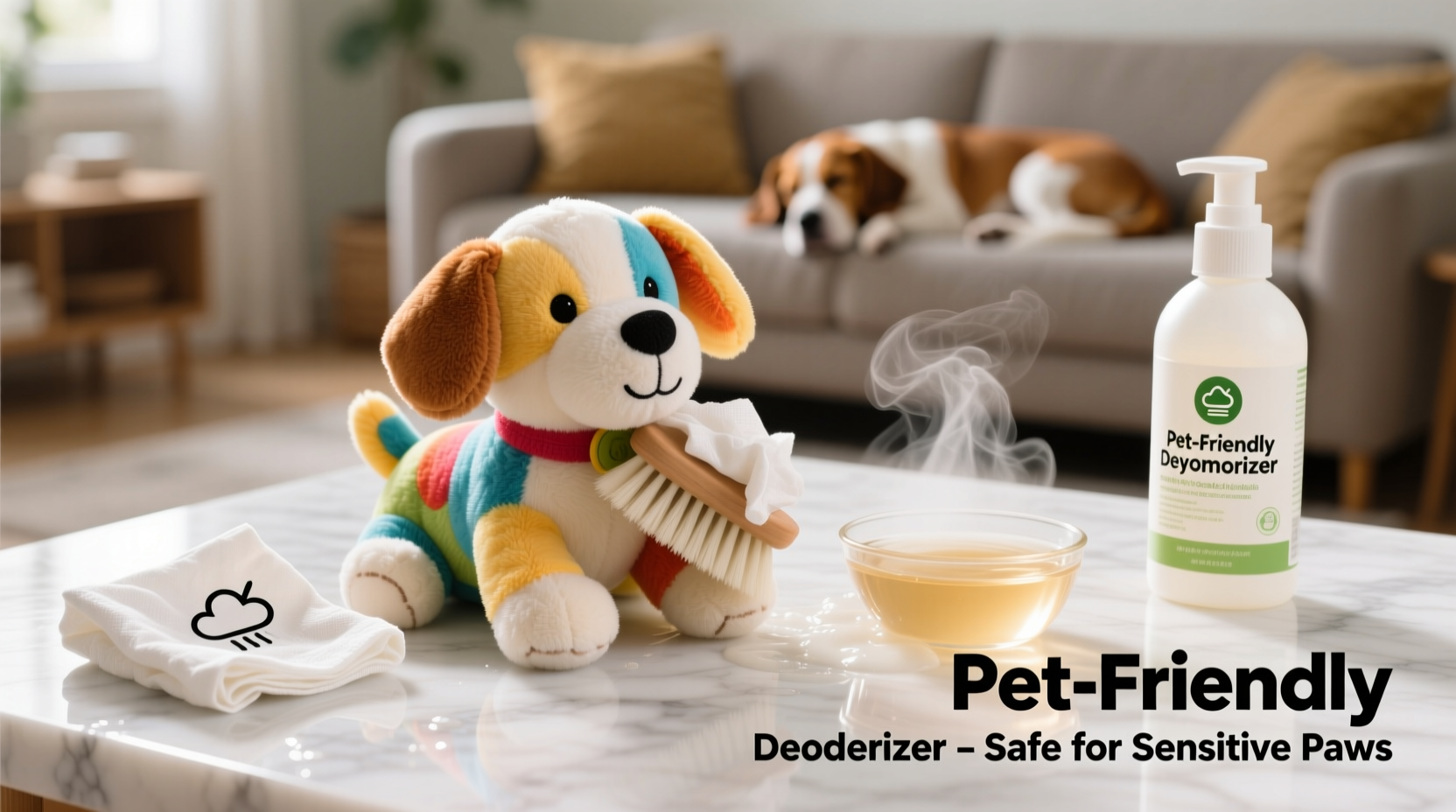
Dogs don’t just chew on plush toys—they lick, drool, roll them in grass, and sometimes even bury them. These behaviors introduce bacteria such as *E. coli*, *Salmonella*, and yeast. A 2022 study published in the *Journal of Veterinary Hygiene* found that uncleaned plush dog toys can harbor up to 10 times more bacteria than household toilet seats after two weeks of regular use.
Beyond health concerns, accumulated grime breaks down fabric fibers, weakens stitching, and causes persistent odors. The squeaker mechanism itself can corrode or malfunction when exposed to moisture and bacteria over time. Regular maintenance prevents premature wear and keeps toys fresh, safe, and fun for longer.
“Pet toys are often overlooked in home sanitation routines, but they’re high-contact items. Just like children’s stuffed animals, dog plush toys need consistent cleaning.” — Dr. Lena Peterson, DVM, Canine Wellness Specialist
Step-by-Step Guide: How to Clean Squeaky Plush Toys Safely
Cleaning squeaky plush toys requires a balance between effectiveness and gentleness. Harsh chemicals or aggressive washing can damage seams, degrade stuffing, or compromise the internal squeaker. Follow this detailed process to clean without risk:
- Inspect the toy first. Check for loose threads, tears, or exposed squeakers. If the toy is falling apart, it’s safer to replace it rather than wash it—your dog could ingest stuffing or plastic parts.
- Remove surface debris. Use a soft-bristle brush or dry cloth to wipe off dried mud, fur, and dirt. This prevents grime from setting deeper during washing.
- Spot-test any cleaner. Apply a small amount of cleaning solution to an inconspicuous area. Wait 10 minutes to ensure no discoloration or fabric damage occurs.
- Choose your cleaning method (see table below). Not all plush toys can be machine-washed. Always check manufacturer labels if available.
- Air-dry thoroughly. Never use a dryer—heat can melt the squeaker or shrink fabric. Instead, place the toy in a well-ventilated area away from direct sunlight. Flip periodically to ensure complete drying, which may take 24–48 hours.
- Sanitize the squeaker compartment (optional). If the toy has a removable squeaker or access panel, gently wipe the interior cavity with a cotton swab dipped in diluted white vinegar.
Recommended Cleaning Methods Compared
| Method | Best For | Steps | Risks to Avoid |
|---|---|---|---|
| Hand Washing | Toys with delicate fabrics or glued squeakers | Soak in warm water + mild detergent for 15 mins. Gently scrub. Rinse thoroughly. | Over-soaking; wringing too hard |
| Machine Washing (Gentle Cycle) | Durable, label-safe plush toys | Use cold water, mild pet-safe detergent, and a mesh bag. | High spin speeds; bleach; hot water |
| Vinegar Soak (Deodorizing) | Odor-heavy toys without electronic parts | Soak 30 mins in 1:1 water-vinegar solution. Rinse well. | Leaving vinegar residue; using on silk blends |
| Baking Soda Sprinkle | Light odor removal between washes | Sprinkle inside and out. Let sit 2 hours. Vacuum or shake off. | Inhaling powder; using on damp toys |
| UV Sanitizing Box | Non-machine-washable toys | Place toy in UV-C box for 10–15 minutes per side. | Plastic degradation over time; incomplete coverage |
Deodorizing Without Damage: Natural Solutions That Work
Foul smells often linger even after washing, especially if the toy has absorbed saliva or been outdoors. Chemical air fresheners or perfumed sprays may repel odors temporarily but can irritate your dog’s respiratory system. Instead, rely on natural deodorizers:
- White vinegar and water spray: Mix equal parts in a spray bottle. Mist the toy lightly and let air dry. Vinegar neutralizes ammonia-based odors from urine or drool.
- Baking soda infusion: After vacuuming surface dust, work a tablespoon of baking soda into the stuffing through openings. Let sit overnight, then shake vigorously.
- Sunlight exposure: Ultraviolet rays naturally kill odor-causing bacteria. Lay the dry toy in indirect sunlight for 2–3 hours, flipping once.
- Essential oil caution: While lavender or tea tree oil have antimicrobial properties, they are toxic to dogs if ingested. Avoid oils unless professionally formulated for pet products.
Mini Case Study: Solving Persistent Toy Odor in a Multi-Dog Household
The Thompson family owns two energetic Labrador retrievers who love their plush dinosaur squeaky toys. Within three weeks, the toys developed a sour, musty smell despite weekly hand washing. Concerned about their dogs’ licking habits, Mrs. Thompson tried commercial pet sprays, but the odor returned within days.
She switched to a rotating cleaning system: one toy in use, one air-drying, one stored. Every five days, she soaked the used toy in a vinegar-water solution, rinsed it thoroughly, and let it dry near a fan. She also began sprinkling food-grade baking soda inside the neck opening before washing. After four weeks, the persistent odor disappeared, and vet visits confirmed no signs of oral irritation in either dog.
This case illustrates how combining rotation, natural deodorizers, and full drying cycles resolves deep-seated odors more effectively than frequent but incomplete cleaning.
Checklist: Safe Plush Toy Maintenance Routine
- ☑ Inspect toys weekly for damage or wear
- ☑ Remove visible dirt with a dry brush
- ☑ Wash every 1–2 weeks depending on usage
- ☑ Use only pet-safe, fragrance-free detergents
- ☑ Air-dry completely before returning to your dog
- ☑ Deodorize monthly with baking soda or vinegar
- ☑ Replace toys with torn seams or exposed squeakers
Frequently Asked Questions
Can I use dish soap to clean plush dog toys?
Yes, but sparingly. Use a small amount of mild, dye-free dish soap (like Dawn Free & Clear) and rinse extremely well. Residual soap can cause skin irritation or gastrointestinal upset if licked.
Is it safe to disinfect plush toys with hydrogen peroxide?
Diluted hydrogen peroxide (3%) can be used occasionally as a disinfectant. Mix one part peroxide with nine parts water, mist the toy, and let sit for 10 minutes before rinsing. Do not use frequently, as it may weaken fabric dyes and fibers over time.
How do I know when to throw a squeaky toy away?
Retire the toy if: the squeaker is broken or making grinding noises, stuffing is coming out, seams are unraveling, or odors persist after multiple cleanings. Safety always comes before sentimental value.
Final Thoughts: Clean Toys, Healthier Dogs
Maintaining squeaky plush dog toys isn’t just about cleanliness—it’s a crucial part of pet wellness. Regular, thoughtful care reduces infection risks, supports dental and digestive health, and extends the joy these toys bring. By integrating simple washing routines, natural deodorizers, and vigilant inspection, you create a safer environment for your dog to play and explore.
💬 Have a favorite cleaning hack for dog toys? Share your experience in the comments and help other pet owners keep their furry friends safe and smiling!








