Dog owners often focus on feeding their pets high-quality food and clean water, but overlook a critical point of contamination: the food and water bowl. Over time, invisible layers of bacteria known as biofilm can form on the surface of bowls, even after regular washing. These microbial colonies are not only difficult to detect but also resistant to standard cleaning methods. Left unchecked, biofilm can compromise your dog’s health, leading to bad breath, gastrointestinal issues, or recurring infections. Understanding how to effectively remove and prevent biofilm is essential for maintaining a hygienic feeding environment.
Understanding Biofilm in Dog Bowls
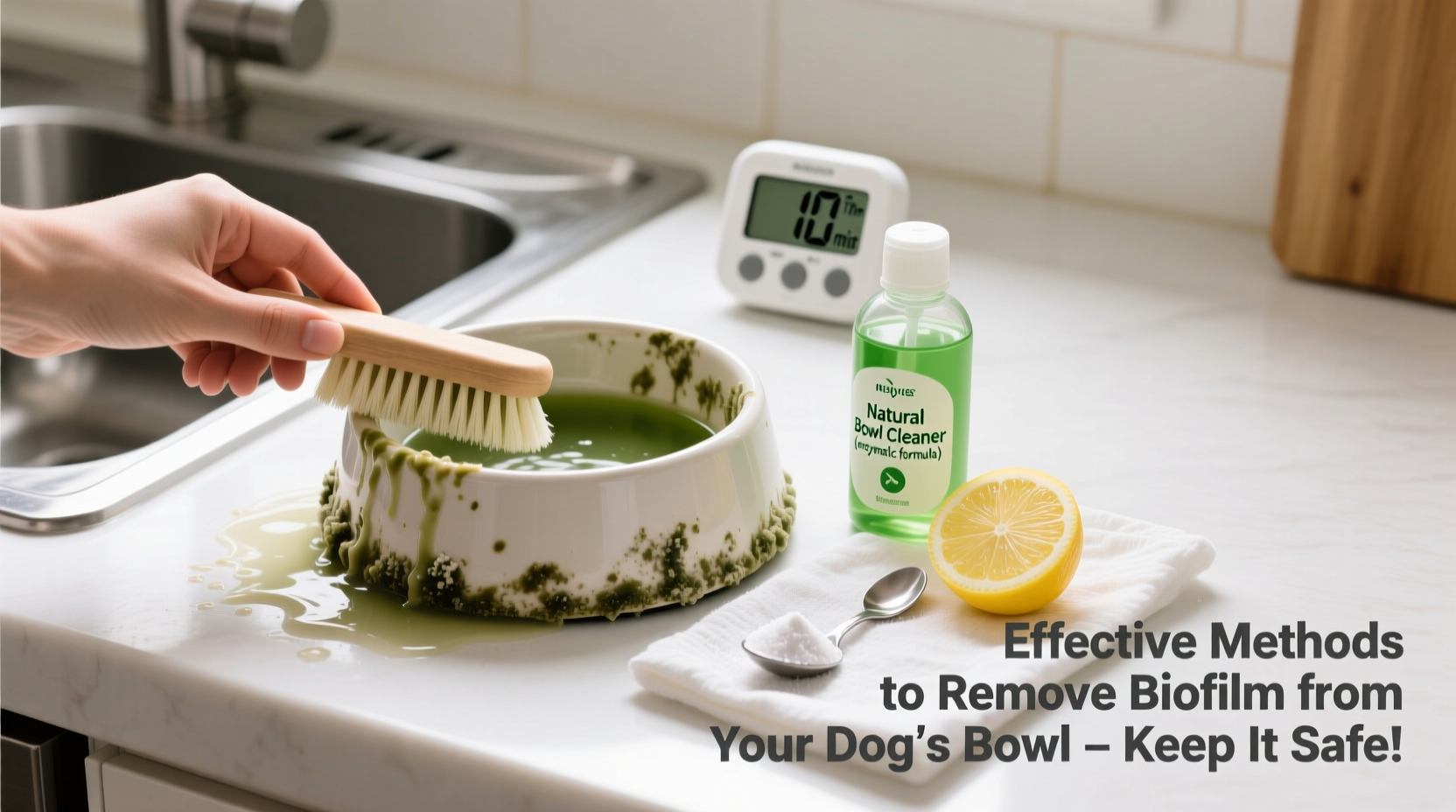
Biofilm is a slimy, protective matrix created by bacteria that adheres to moist surfaces. In dog bowls, biofilm forms when saliva, food particles, and water create an ideal breeding ground. Common bacteria like Pseudomonas aeruginosa, E. coli, and Staphylococcus species embed themselves in this film, shielding them from soap and scrubbing. Unlike loose debris, biofilm cannot be removed with a quick rinse—it requires targeted cleaning strategies.
The danger lies in its resilience. Biofilm can survive typical dishwashing routines and even some dishwasher cycles if temperatures aren’t high enough. It’s particularly common in plastic bowls due to microscopic scratches that harbor bacteria, but stainless steel and ceramic bowls are not immune—especially if not cleaned properly.
“Biofilm is one of the most underestimated hazards in pet hygiene. It’s not just dirt; it’s a living bacterial fortress.” — Dr. Laura Thompson, Veterinary Microbiologist
Step-by-Step Guide to Remove Existing Biofilm
Eliminating established biofilm requires more than daily washing. A deep-cleaning protocol should be performed weekly or biweekly, depending on usage. Follow this science-based process:
- Empty and pre-rinse: Remove leftover food and rinse the bowl with warm water to loosen debris.
- Soak in vinegar solution: Mix 1 part white vinegar with 3 parts warm water. Submerge the bowl for at least 30 minutes. Vinegar’s acetic acid disrupts the biofilm matrix.
- Scrub with a dedicated brush: Use a non-abrasive brush (preferably one used only for pet items) to scrub all surfaces, focusing on corners and rims where biofilm accumulates.
- Rinse thoroughly: Wash away loosened residue with hot running water.
- Disinfect with hydrogen peroxide: Spray or soak the bowl with 3% hydrogen peroxide for 10 minutes. This kills remaining bacteria without leaving toxic residues.
- Air dry completely: Place the bowl upside down on a clean rack. Moisture promotes regrowth, so full drying is crucial.
Best Materials for Biofilm-Resistant Bowls
The type of bowl plays a major role in biofilm prevention. Some materials resist bacterial adhesion better than others. Below is a comparison of common bowl types:
| Material | Biofilm Resistance | Pros | Cons |
|---|---|---|---|
| Stainless Steel | High | Durable, non-porous, dishwasher-safe, easy to sanitize | Can dent; noisy for sensitive dogs |
| Ceramic | Moderate to High | Heavy (less likely to tip), smooth glaze resists bacteria | May chip; heavy; ensure lead-free glaze |
| Plastic | Low | Affordable, lightweight | Scratches easily, harbors bacteria, prone to odor retention |
| Silicone | Moderate | Foldable, soft, good for travel | Less rigid; may absorb odors over time |
Experts recommend replacing plastic bowls entirely. Even “antibacterial” plastic loses effectiveness once scratched. Stainless steel is widely considered the gold standard for hygiene and durability.
Prevention Checklist: Daily and Weekly Habits
Removing biofilm is important, but preventing its formation is more sustainable. Implement this routine to keep your dog’s bowl consistently safe:
- Wash the bowl daily with hot, soapy water and a dedicated sponge or brush.
- Air dry completely before refilling—never let water sit stagnant.
- Replace water at least twice daily to reduce bacterial load.
- Avoid feeding directly in the same bowl used for water; use separate containers.
- Perform a deep clean using vinegar and hydrogen peroxide every 7–10 days.
- Inspect for cracks, scratches, or cloudiness—replace damaged bowls immediately.
- Run stainless steel or ceramic bowls through the dishwasher (high-heat drying cycle) weekly.
Real Example: How One Owner Reduced Her Dog’s Chronic Ear Infections
Sarah M., a dog owner from Portland, struggled with her Labrador, Max, suffering recurrent ear infections despite regular vet visits. After switching his diet and cleaning routine with no improvement, a veterinary dermatologist suggested examining environmental factors. She tested her dog’s food bowl for bacteria and discovered high levels of Pseudomonas. After switching to a stainless steel bowl and implementing a weekly vinegar-hydrogen peroxide deep cleaning regimen, Max’s infections ceased within two months. Sarah now advocates for biofilm awareness among fellow pet owners.
This case highlights how seemingly minor hygiene oversights can have significant health consequences. Biofilm doesn’t just affect the bowl—it can transfer to paws, fur, and skin, contributing to secondary infections.
Frequently Asked Questions
Can I use bleach to clean my dog’s bowl?
Yes, but with caution. Dilute 1 tablespoon of unscented chlorine bleach in 1 gallon of water. Soak for 10 minutes, then rinse *extremely* well and air dry. Bleach is effective against biofilm but must be fully removed to avoid toxicity. Not recommended for plastic bowls, which can retain chemical residues.
Is the dishwasher enough to kill biofilm?
Only if it reaches high temperatures. The sanitizing cycle (typically above 150°F/65°C) is necessary to disrupt biofilm. Standard wash cycles may clean visible grime but won’t eliminate microbial colonies. Always check that your dishwasher has a high-heat option and place bowls securely on the bottom rack for maximum exposure.
How do I know if there’s biofilm in the bowl?
Biofilm is usually invisible. However, signs include a persistent slimy feel, cloudy appearance on ceramic, or lingering odor despite washing. If your dog frequently licks their lips, avoids the bowl, or develops mouth irritation, biofilm could be the culprit.
Conclusion: A Small Change with Big Health Benefits
Keeping your dog’s bowl free of biofilm isn’t about perfection—it’s about consistent, informed care. By understanding how biofilm forms and adopting simple yet effective cleaning practices, you significantly reduce your pet’s exposure to harmful bacteria. Switching to a stainless steel bowl, deep cleaning weekly, and ensuring complete drying are low-effort habits with high returns in health and safety.
💬 Your dog deserves a clean start every meal. Start today: inspect the bowl, replace if needed, and commit to a biofilm-free feeding routine. Share your experience or tips with other pet owners—because safer bowls mean healthier pets.








