
Plush dog toys are a favorite among pets and owners alike—soft, cuddly, and often doubling as comfort objects during stressful moments. But behind the cuteness lies a hidden concern: bacteria buildup. Dogs chew, drool, roll, and sometimes even use their toys as naptime companions, all of which contribute to microbial growth. Over time, uncleaned plush toys can harbor harmful bacteria, mold, and allergens that may compromise your pet’s health. Regular cleaning isn’t just about freshness—it’s a vital part of responsible pet care.
Why Cleaning Plush Dog Toys Matters
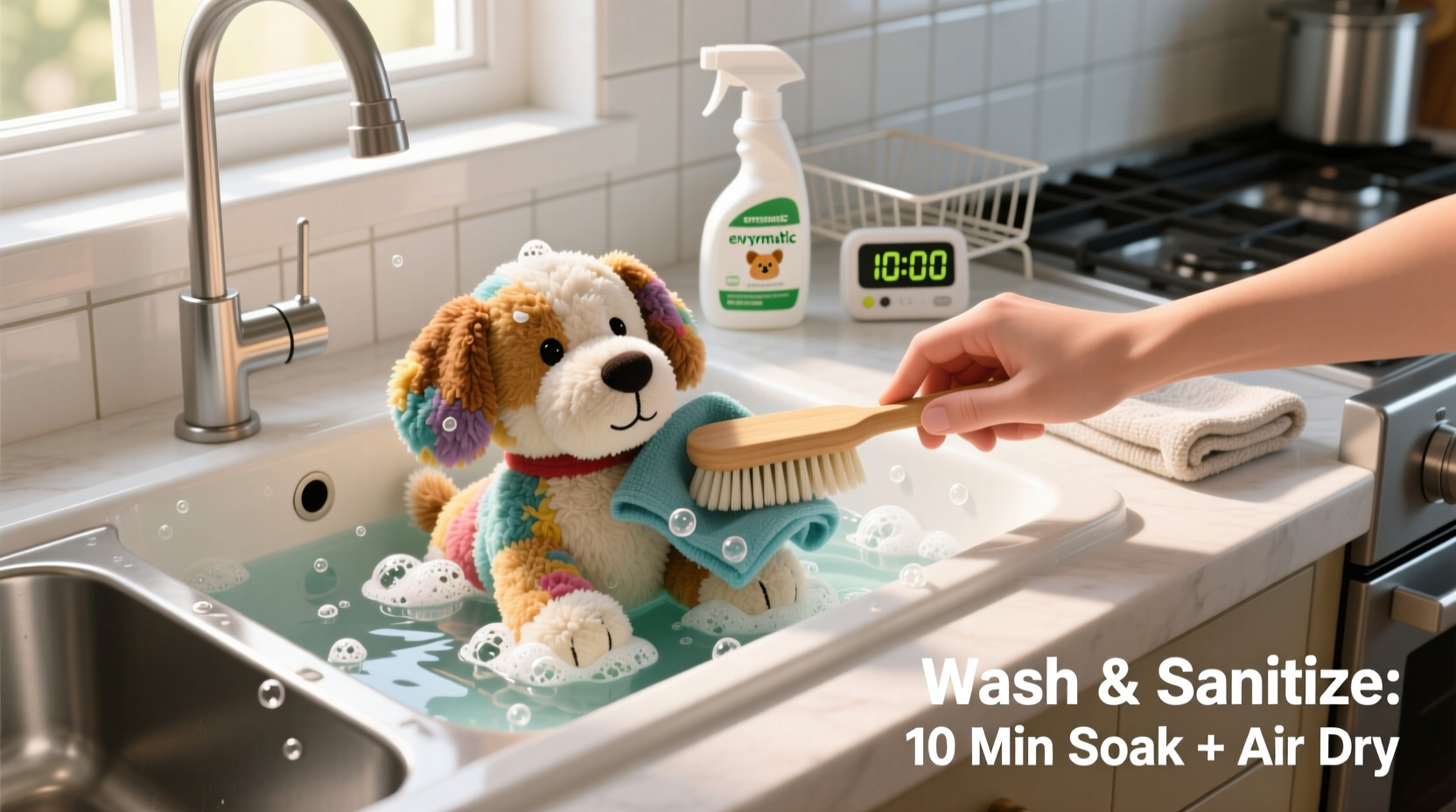
Dogs explore the world with their mouths, making plush toys prime carriers of saliva, food residue, dirt, and outdoor contaminants. Once introduced into the home environment, these elements create ideal conditions for bacteria like *E. coli*, *Salmonella*, and yeast to thrive. A 2022 study published in the Journal of Veterinary Hygiene found that over 60% of household pet toys tested positive for pathogenic microbes after just two weeks of regular use without cleaning.
Beyond health risks, dirty toys can develop odors, degrade faster, and lose their appeal to dogs. Consistent cleaning extends toy lifespan and ensures your pet remains engaged and safe during playtime.
“Neglecting toy hygiene is one of the most overlooked aspects of pet wellness. Just like bedding or bowls, plush toys need routine sanitation.” — Dr. Lena Ruiz, DVM, Pet Health & Preventive Care Specialist
Step-by-Step Guide to Cleaning Plush Dog Toys
Cleaning plush dog toys doesn’t require special equipment, but it does require consistency and attention to detail. Follow this six-step process for thorough, safe results:
- Inspect the toy: Check for loose seams, exposed stuffing, or broken parts. If the toy is damaged, consider retiring it to prevent choking hazards.
- Remove surface debris: Shake out loose dirt or use a soft brush to dislodge dried saliva or fur.
- Check care labels: Some manufacturers provide washing instructions. When in doubt, assume machine-washable unless stated otherwise.
- Pre-treat stains: For visible soiling (e.g., mud, drool marks), dab with a mixture of mild dish soap and warm water before full washing.
- Choose your cleaning method: Select from hand washing, machine washing, or spot cleaning based on toy material and construction (detailed in next section).
- Dry completely: Air-drying is safest. Place toys in direct sunlight if possible—UV rays naturally kill bacteria. Avoid dryers unless the label explicitly permits it, as heat can damage fabrics or squeakers.
Choosing the Right Cleaning Method
Not all plush toys are created equal. The best cleaning approach depends on fabric type, fill material, and structural features like squeakers or crinkle layers. Below is a comparison of common methods:
| Method | Best For | Pros | Cons |
|---|---|---|---|
| Machine Washing (Cold, Gentle Cycle) | Durable, sewn-seam plush toys without electronics | Fast, consistent cleaning; removes deep grime | May damage weak seams; not suitable for glued parts |
| Hand Washing | Fragile, older, or handcrafted toys | Full control over scrubbing; gentle on materials | Time-consuming; less effective on heavy odor |
| Spot Cleaning | Toys with non-removable parts or delicate embroidery | Preserves structure; quick daily maintenance | Doesn’t sanitize entire toy |
| Vinegar Soak (1:4 vinegar/water) | Odor elimination and mild disinfection | Natural, pet-safe deodorizer; breaks down organic residue | Strong smell initially; must rinse thoroughly |
For maximum sanitation, combine methods. For example, hand wash a toy first, then soak it in a vinegar solution for 15 minutes before air-drying.
Monthly Toy Maintenance Checklist
To maintain hygiene without overwhelming your routine, follow this monthly checklist:
- 🗹 Inspect all plush toys for wear and tear
- 🗹 Sort toys into “wash now,” “spot clean,” and “retire” piles
- 🗹 Wash at least 70% of active plush toys using appropriate method
- 🗹 Disinfect storage bins or baskets with diluted white vinegar
- 🗹 Rotate toys: reintroduce cleaned ones while storing others to reduce overuse
- 🗹 Record any recurring issues (e.g., rapid staining) to inform future toy purchases
Real Example: How One Owner Reduced Her Dog’s Itchiness
Sarah M., a pet owner from Portland, noticed her rescue terrier, Milo, was scratching more than usual despite flea prevention and a grain-free diet. After consulting her vet, she was advised to evaluate potential allergens in his environment—including his favorite plush toys.
Sarah collected all eight of Milo’s plush toys, most of which hadn’t been washed in over three months. She hand-washed six using mild baby shampoo and soaked them in a vinegar solution. Two heavily stained toys were discarded. Within a week of reintroducing the cleaned toys, Milo’s scratching decreased significantly. His vet credited the improvement—at least partially—to reduced exposure to biofilm and dust mites thriving in the unwashed fabric.
This case underscores how seemingly minor oversights in toy hygiene can manifest as broader health concerns.
Common Mistakes to Avoid
Even well-intentioned owners make errors when cleaning plush dog toys. Steer clear of these pitfalls:
- Using harsh detergents: Bleach or strong chemical cleaners can leave residues toxic to pets. Stick to fragrance-free, hypoallergenic detergents.
- Skipping the drying step: Damp toys encourage mold growth. Ensure complete dryness—this may take 24–48 hours depending on thickness.
- Overloading the washer: Too many toys reduce cleaning efficiency. Wash in small batches for better agitation and rinsing.
- Ignoring toy rotation: Constant use of the same toys accelerates contamination. Rotate sets every 3–4 days.
FAQ: Your Top Questions Answered
How often should I clean my dog’s plush toys?
Wash plush toys at least once every two weeks under normal use. If your dog drools excessively, eats near toys, or plays outdoors with them, weekly cleaning is recommended.
Can I use baking soda to freshen toys?
Yes. Sprinkle baking soda on the toy, let it sit for 15–30 minutes, then vacuum or shake off before washing. Baking soda neutralizes odors and helps lift light stains.
Are antibacterial wipes safe for plush toys?
Only if labeled safe for fabrics and pets. Most wipes leave chemical residues. If used, wipe only exterior surfaces and allow the toy to air for several hours before giving it back to your dog.
Conclusion: Make Toy Hygiene a Habit
Clean plush dog toys are more than just fresh-smelling—they’re a frontline defense against infections, allergies, and behavioral issues stemming from discomfort. By integrating simple, science-backed cleaning practices into your routine, you protect your pet’s health and enhance their quality of life. Whether you opt for machine washing, natural soaks, or a rotation system, consistency is key.
💬 Ready to refresh your pet’s toy collection? Start today by pulling out one bin, sorting through each plush, and giving them the deep clean they deserve. Share your cleaning tips or ask questions in the comments—your experience could help another pet parent!








