Staphylococcus bacteria are commonly found on a dog’s skin and mucous membranes, but when the immune system is compromised or the skin barrier is damaged, these bacteria can cause infections. Staph infections in dogs—often referred to as bacterial pyoderma—are among the most frequent skin conditions seen in veterinary clinics. While not always life-threatening, untreated staph infections can lead to discomfort, secondary complications, and chronic skin issues. Recognizing symptoms early and combining professional veterinary care with consistent at-home management is key to full recovery.
Understanding Canine Staph Infections
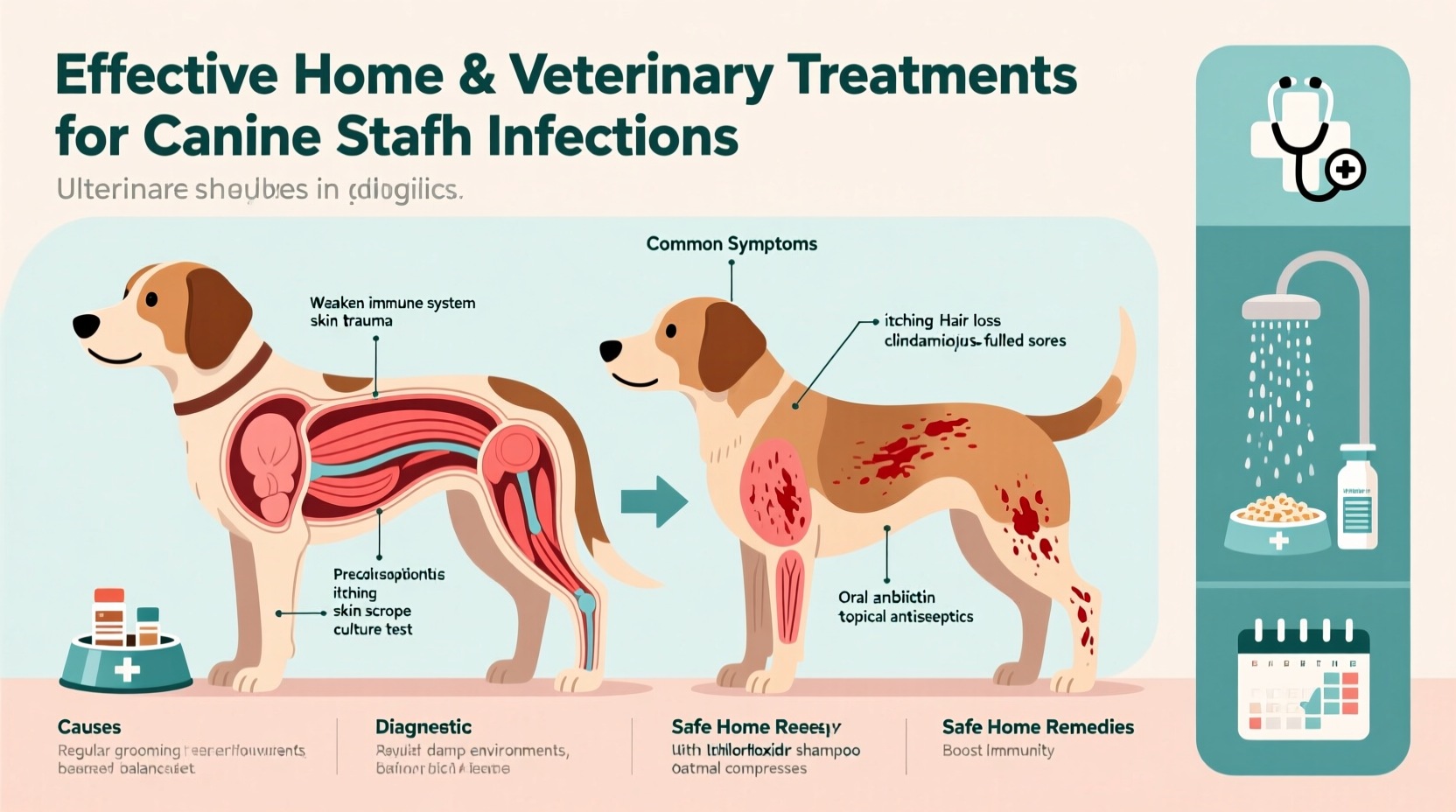
Staphylococcus pseudintermedius is the primary species responsible for skin infections in dogs. Normally harmless, it becomes problematic when the skin's natural defenses are weakened due to allergies, wounds, hormonal imbalances, or poor hygiene. Infections typically manifest as redness, pustules, itching, hair loss, and sometimes a foul odor.
There are three main types of canine pyoderma:
- Superficial pyoderma: Affects the outer layers of the skin; common in areas with friction like armpits and groin.
- Deep pyoderma: Penetrates deeper into the dermis, often resulting in painful sores, swelling, and discharge.
- Folliculitis: Infection of the hair follicles, appearing as small bumps or pimples.
“Not all skin irritation is a staph infection, but recurring or worsening symptoms should prompt a vet visit to rule out bacterial involvement.” — Dr. Lena Torres, DVM, Veterinary Dermatology SpecialistTip: Monitor your dog’s skin weekly during grooming sessions. Early detection of redness or scabs can prevent full-blown infections.
Veterinary Diagnosis and Medical Treatments
A definitive diagnosis requires veterinary evaluation. Your vet will likely perform:
- Skin cytology (microscopic examination of skin cells)
- Bacterial culture and sensitivity testing (to identify antibiotic resistance)
- Allergy screening (since underlying allergies are a common trigger)
Treatment depends on severity but may include:
| Condition | Treatment Type | Duration |
|---|---|---|
| Superficial infection | Topical antibiotics (mupirocin), medicated shampoos | 2–4 weeks |
| Moderate infection | Oral antibiotics (cephalexin, clindamycin) | 4–6 weeks |
| Deep or recurrent infection | Culture-guided antibiotics, anti-inflammatory meds | 6–8+ weeks |
It’s crucial to complete the full course of prescribed antibiotics, even if symptoms improve early. Premature discontinuation increases the risk of antibiotic resistance and relapse.
Antibiotic Resistance and MRSP
Methicillin-resistant *Staphylococcus pseudintermedius* (MRSP) is an emerging concern. Unlike MRSA in humans, MRSP is primarily a veterinary issue and can be difficult to treat. If your dog isn’t responding to standard antibiotics, your vet may suspect MRSP and order a culture test. Treatment then shifts to more potent, targeted antibiotics such as chloramphenicol or pradofloxacin.
Effective At-Home Care Strategies
While veterinary treatment addresses the infection directly, home care supports healing and prevents recurrence.
Medicated Bathing Routine
Use a veterinary-approved shampoo containing chlorhexidine, benzoyl peroxide, or ethyl lactate. These ingredients reduce bacterial load and soothe inflammation.
- Wet the coat thoroughly with lukewarm water.
- Apply shampoo and massage into affected areas.
- Let it sit for 10 minutes before rinsing completely.
- Bathe every 2–3 days during active infection, then weekly for maintenance.
Natural Support and Wound Care
While not substitutes for medical treatment, some natural approaches can complement therapy:
- Coconut oil: Has mild antimicrobial properties; apply sparingly to minor dry patches after consulting your vet.
- Oatmeal rinses: Soothe itchy skin between medicated baths.
- Elizabethan collar (E-collar): Prevents licking and chewing, which spreads bacteria and delays healing.
Clean any open sores daily with saline solution and keep them dry. Avoid over-the-counter human creams unless approved by your veterinarian.
Prevention Checklist: Reducing Recurrence Risk
Staph infections often recur if underlying causes aren’t addressed. Use this checklist to maintain long-term skin health:
- ✔ Treat underlying allergies (food, environmental)
- ✔ Maintain regular flea and parasite prevention
- ✔ Bathe only as needed with gentle, pH-balanced shampoos
- ✔ Keep skin folds clean and dry (especially in breeds like Bulldogs or Pugs)
- ✔ Feed a high-quality diet rich in omega-3 fatty acids to support skin integrity
- ✔ Minimize stress through routine, exercise, and mental enrichment
- ✔ Schedule biannual wellness exams for early detection
“Most chronic staph cases I see stem from undiagnosed allergies. Fix the root cause, and the infections stop returning.” — Dr. Alan Reeves, Board-Certified Veterinary Dermatologist
Real-Life Example: Managing Recurrent Pyoderma in a Labrador
Max, a 5-year-old Labrador Retriever, was brought to a dermatology clinic with recurring hot spots and crusty lesions on his abdomen. He had completed multiple rounds of antibiotics with temporary improvement. After a skin culture, he was diagnosed with deep pyoderma caused by a resistant strain of *S. pseudintermedius*. The vet initiated a 6-week course of trimethoprim-sulfamethoxazole based on sensitivity results.
In addition to medication, Max’s owner began weekly chlorhexidine baths and switched him to a limited-ingredient hypoallergenic diet. An allergy test later revealed sensitivities to grass pollen and chicken. With allergen avoidance, immunotherapy, and consistent grooming, Max remained infection-free for over a year—a dramatic improvement from quarterly flare-ups.
This case highlights the importance of diagnostics, adherence to treatment, and addressing systemic triggers.
Frequently Asked Questions
Can I catch a staph infection from my dog?
While rare, zoonotic transmission of *S. pseudintermedius* can occur, especially in individuals with weakened immune systems. Practice good hygiene—wash hands after handling infected areas and avoid direct contact with open sores.
Are there side effects to long-term antibiotic use in dogs?
Prolonged antibiotic therapy may disrupt gut flora, leading to diarrhea or yeast overgrowth. Your vet may recommend probiotics during treatment to support digestive health.
How long does it take for a staph infection to clear up?
With proper treatment, superficial infections show improvement within 7–10 days, but full resolution usually takes 3–6 weeks. Deep infections require longer therapy and follow-up.
Conclusion: A Proactive Approach to Skin Health
Staph infections in dogs are treatable but demand a comprehensive strategy that combines veterinary medicine with diligent home care. Never self-diagnose or rely solely on topical remedies for persistent skin issues. Work closely with your veterinarian to identify contributing factors and create a sustainable care plan. By staying alert to early signs, maintaining hygiene, and supporting your dog’s immune system, you can prevent future outbreaks and ensure your pet remains comfortable and healthy.
💬 Have experience managing a staph infection in your dog? Share your story or tips in the comments—your insight could help another pet owner find relief faster.