
A peaceful morning coffee on the porch should be a pleasure, not a battle with persistent birds. While birds are part of nature’s charm, their nesting habits, droppings, noise, and territorial behavior can quickly turn your outdoor space into an unwelcome avian hangout. The key is not elimination, but deterrence—using humane, sustainable, and practical methods to discourage birds from roosting or nesting on your porch. This guide outlines proven strategies that balance effectiveness with environmental responsibility.
Understanding Why Birds Choose Your Porch
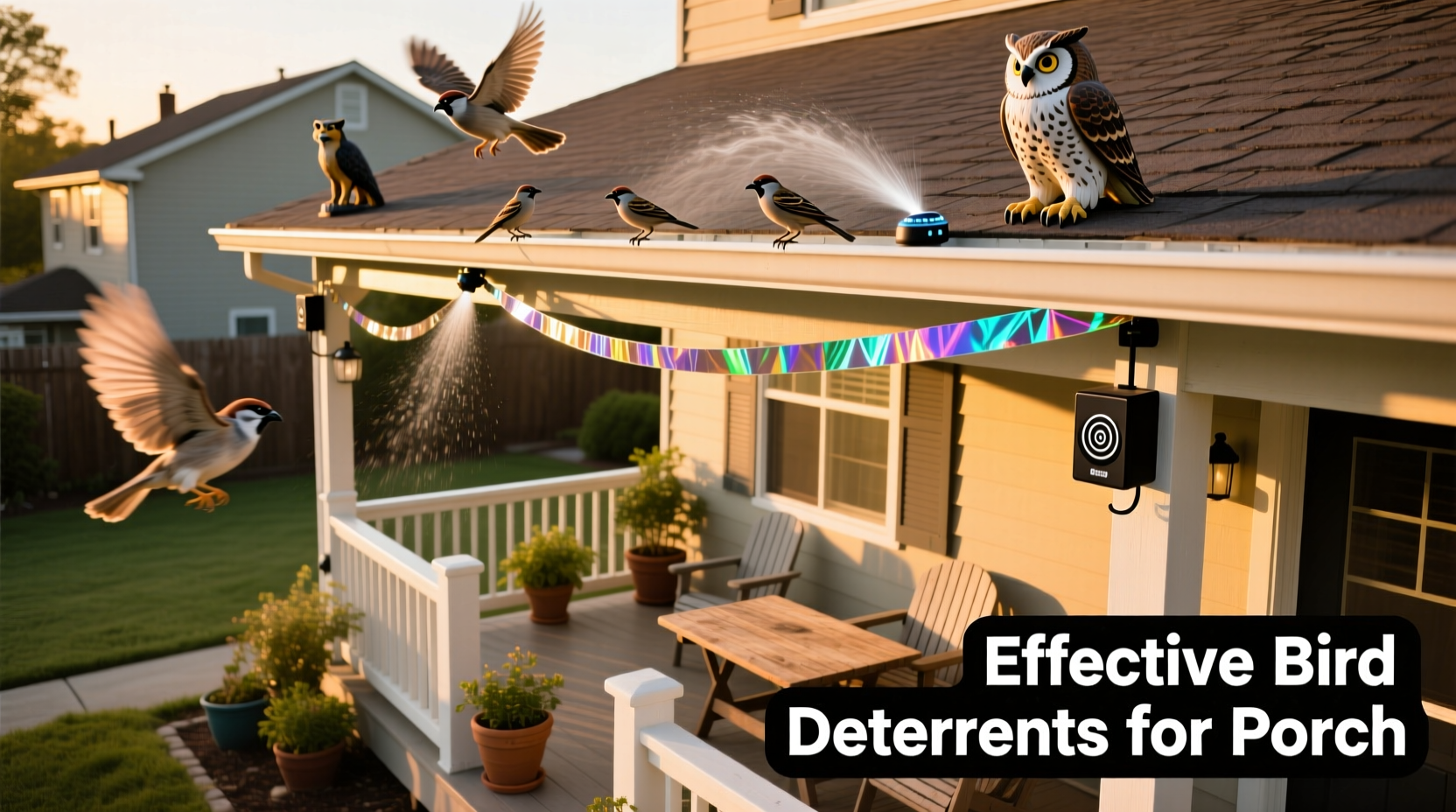
Birds select porches because they offer shelter, safety, and proximity to food sources. Overhangs, railings, light fixtures, and potted plants mimic natural ledges and trees, making them ideal for nesting or resting. Species like sparrows, starlings, pigeons, and swallows are particularly drawn to human structures. Before applying deterrents, it's essential to identify what’s attracting them: accessible entry points, nearby feeders, water sources, or accumulated debris.
Removing attractants is the first step in any bird control strategy. A clean, uncluttered porch with no food remnants or standing water becomes far less appealing.
Tip: Avoid placing bird feeders near your porch—even if intended for other species, they can draw unwanted attention from aggressive or nesting birds.Physical Barriers and Structural Deterrents
One of the most reliable ways to keep birds away is by modifying the physical environment to make landing or nesting difficult. These solutions are long-lasting and often require minimal maintenance once installed.
- Bird spikes: Made of UV-resistant polycarbonate or stainless steel, these are ideal for ledges, railings, and rooflines. They don’t harm birds but prevent them from landing comfortably.
- Netting: Lightweight polyethylene or nylon netting can be installed beneath overhangs or across open areas. It physically blocks access while remaining nearly invisible from a distance.
- Sloped surfaces: Installing angled panels or slick materials (like metal or acrylic) on flat surfaces discourages perching. Birds prefer stable, level spots to rest.
- Exclusion screening: Mesh screens over eaves or vents prevent birds from entering enclosed spaces under the porch roof.
For homeowners seeking a discreet solution, transparent gel repellents applied to surfaces create a sticky sensation that birds dislike—though reapplication every few months is necessary, especially after rain.
Visual and Auditory Deterrents
Many birds rely heavily on sight and sound. Leveraging their natural wariness of predators or sudden movements can make your porch feel unsafe—without causing harm.
| Deterrent Type | How It Works | Effectiveness Duration | Best For |
|---|---|---|---|
| Reflective tape or ribbons | Moves and flashes in wind, mimicking predator motion | 3–6 months (UV degradation) | Open porches, patios |
| Owl or hawk decoys | Simulates presence of natural predators | 2–8 weeks (birds adapt) | Seasonal use, rotating placement |
| Wind chimes or ultrasonic devices | Emits high-frequency sounds or random noises | Varies (some birds ignore over time) | Enclosed porches, urban homes |
| Hanging CDs or mirrors | Creates erratic light patterns | Short-term (novelty wears off) | Temporary protection during nesting season |
Success with visual and auditory tools depends on variety and movement. Static decoys lose effectiveness within weeks as birds recognize them as non-threatening. Rotating between different types of deterrents—or manually repositioning them weekly—helps maintain their impact.
“Birds are intelligent and adaptable. A single static scare tactic rarely works long-term. Combine movement, sound, and unpredictability for better results.” — Dr. Alan Prescott, Ornithologist & Urban Wildlife Consultant
Step-by-Step Guide to Bird-Proofing Your Porch
Implementing a comprehensive bird control plan requires a phased approach. Follow this timeline for lasting results:
- Week 1: Inspection and Cleanup
Walk around your porch and note potential nesting sites—corners, beams, planters, and light fixtures. Remove old nests (wear gloves), sweep droppings, and clear clutter. Seal small openings with steel wool or mesh. - Week 2: Eliminate Attractants
Relocate bird feeders at least 30 feet from the house. Cover compost bins and secure trash. Trim overhanging branches that provide easy access. - Week 3: Install Physical Barriers
Attach bird spikes to railings, apply anti-perching gel to flat surfaces, or install netting under eaves. Ensure all materials are weather-resistant. - Week 4: Deploy Dynamic Deterrents
Set up a moving decoy (e.g., a spinning owl with solar-powered motion) and hang reflective tape. Use an ultrasonic device if noise isn’t a concern for neighbors. - Ongoing: Monitor and Rotate
Check for new nesting attempts monthly. Switch out decoys, clean surfaces, and reapply gels as needed. Rotate deterrent types every 4–6 weeks to prevent habituation.
Real-World Example: A Suburban Home’s Success Story
In suburban Columbus, Ohio, homeowner Maria Thompson struggled with barn swallows nesting under her screened porch roof each spring. Despite repeated nest removal, the birds returned, creating hygiene concerns and blocking airflow with mud nests.
She began by sealing gaps with fine mesh before the nesting season. Then, she installed sloped metal shields along the top edge where nests typically formed. She added two rotating hawk decoys—one on the railing, one on a pole nearby—and hung strips of iridescent tape between columns.
The following year, only one pair briefly investigated the area before flying off. No nests were built. “It took some effort upfront,” Maria said, “but now I enjoy my porch without worrying about cleanup or disturbing protected birds.”
Tip: Always check local regulations—many bird species (including swallows and robins) are protected under the Migratory Bird Treaty Act. Never remove active nests with eggs or chicks.Common Mistakes That Undermine Efforts
Even well-intentioned efforts can fail due to avoidable errors:
- Using only one method: Relying solely on a fake owl or a single spike strip gives birds time to adapt.
- Waiting until nesting begins: Prevention is far more effective than trying to evict established birds.
- Ignoring seasonal patterns: Most birds begin scouting nesting sites in early spring. Prepare in late winter.
- Choosing harmful solutions: Glue traps, poisons, or loud fireworks are inhumane, illegal in many areas, and potentially dangerous.
Frequently Asked Questions
Will wind chimes really keep birds away?
Some birds, especially those sensitive to noise like starlings or grackles, may avoid areas with unpredictable sounds. However, wind chimes alone are not sufficient for long-term control. Pair them with visual deterrents for better results.
Are ultrasonic devices effective for porches?
Results vary. These devices emit high-frequency sounds that may disturb birds, but outdoor environments reduce their range and effectiveness. They work best in semi-enclosed spaces like covered porches or sunrooms.
Can I use essential oils or scents to repel birds?
There is little scientific evidence that scents like peppermint or citrus deter birds effectively. Some strong odors may irritate birds temporarily, but they are unreliable and can affect pets or people nearby.
Final Checklist: Bird-Proof Your Porch in 7 Steps
- Inspect porch for entry points and nesting zones
- Remove existing nests (only when inactive)
- Seal gaps with mesh or caulk
- Install physical barriers (spikes, netting, slopes)
- Add motion-based visual deterrents (moving decoys, reflective tape)
- Use sound devices strategically (if appropriate for your setting)
- Schedule seasonal reviews and rotate tactics
Conclusion: Enjoy a Bird-Free, Peaceful Porch
Keeping birds off your porch doesn’t require extreme measures or harm to wildlife. With thoughtful planning, humane deterrents, and consistent upkeep, you can reclaim your outdoor space for relaxation and enjoyment. The most effective approach combines physical exclusion, dynamic visual cues, and proactive maintenance—tailored to your specific environment and bird pressure.
💬 Have a bird-deterrent tip that worked for you? Share your experience in the comments and help others find smart, compassionate solutions for a serene porch sanctuary.








