
Nuisance cats—whether stray, feral, or belonging to neighbors—can cause real problems around homes. From digging in gardens and leaving waste in flowerbeds to scratching furniture or startling pets, their presence can become a persistent issue. The key is not just deterrence, but doing so humanely and sustainably. Modern solutions focus on discouraging unwanted behavior without causing harm, aligning with animal welfare standards and often local regulations. This guide outlines proven, compassionate methods to keep cats away from your property for good.
Understanding Why Cats Are Drawn to Your Property
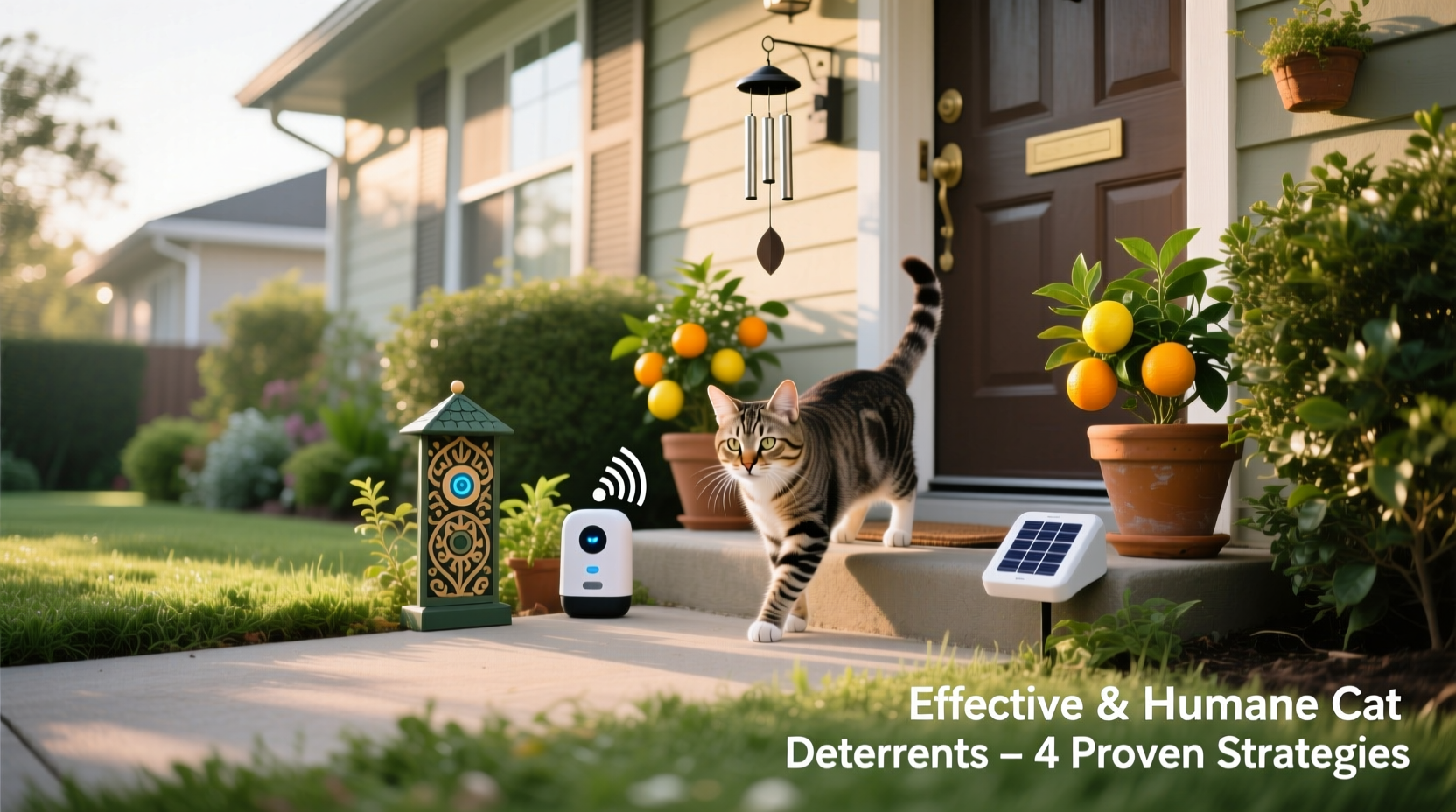
Cats don’t wander into yards randomly. They’re attracted by specific resources: food, shelter, and comfort. Even if you're not feeding them, neighboring feeders, uncovered compost, outdoor pet food, or accessible garbage bins can act as magnets. Dense shrubbery, under-deck spaces, or unsealed crawl spaces offer safe hiding spots. Additionally, cats mark territory with urine and feces, which can attract others of their kind, creating a recurring cycle.
Before implementing deterrents, assess what might be drawing cats in. Eliminating these attractants is the first step toward long-term success.
Tip: Secure trash bins with locking lids and remove outdoor pet food after feeding times to reduce food-based attraction.Humane Deterrent Methods That Work
The most effective cat control strategies rely on sensory discomfort rather than physical harm. Cats are sensitive to smell, texture, sound, and movement. Leveraging these sensitivities allows homeowners to create unwelcoming environments that encourage cats to seek more comfortable areas elsewhere.
Scent-Based Repellents
Cats have a highly developed sense of smell and avoid certain odors. Natural scents like citrus (orange, lemon), lavender, eucalyptus, and citronella are known repellents. Used in sprays or sachets, they can be applied around garden borders, entry points, and favorite lounging spots.
Commercial cat repellent sprays often combine essential oils with water and a mild surfactant. Reapply every few days, especially after rain. Avoid spraying directly on plants unless labeled safe.
Texture and Surface Deterrence
Cats dislike walking on uncomfortable surfaces. Placing chicken wire over garden beds, using plastic carpet runners (nubby side up) near doorways, or installing gravel in preferred lounging zones can discourage access. These materials don’t hurt the animals but make lingering unpleasant.
Motion-Activated Devices
Motion-activated sprinklers are among the most effective tools. When triggered by movement, they release a sudden burst of water—startling but harmless. Units like the Contech ScareCrow operate for weeks on batteries and cover large areas. Ultrasonic devices emit high-frequency sounds only audible to animals, disrupting a cat’s comfort without disturbing humans.
“Consistent use of motion-activated deterrents conditions cats to avoid an area through learned aversion.” — Dr. Rebecca Turner, Wildlife Behavior Specialist
Step-by-Step Guide to Cat-Proofing Your Yard
Follow this timeline to systematically eliminate cat activity on your property:
- Week 1: Remove Attractants
Inspect your yard for food sources, shelter opportunities, and waste areas. Seal garbage cans, remove pet food bowls at night, and clear debris piles. - Week 2: Apply Scent Repellents
Begin spraying natural deterrents along fence lines, garden edges, and entry points. Reapply every 3–4 days. - Week 3: Install Physical Barriers
Lay chicken wire over soil beds, place plastic mats near patios, and block access under decks with lattice or hardware cloth. - Week 4: Activate Motion Devices
Set up a motion-activated sprinkler or ultrasonic repeller in high-traffic zones. Test sensitivity to avoid false triggers. - Ongoing: Monitor and Adapt
Observe cat behavior weekly. If one method fails, rotate or combine techniques. Consistency is crucial.
Do’s and Don’ts of Humane Cat Management
| Do’s | Don’ts |
|---|---|
| Use motion-activated sprinklers | Throw water manually to scare cats (inconsistent and stressful) |
| Plant rue or lavender—natural repellent plants | Use mothballs (toxic to pets, children, and illegal in many areas) |
| Seal off crawl spaces and sheds | Shout at or chase cats aggressively |
| Collaborate with neighbors on feeding policies | Use glue traps or poisons (cruel and often illegal) |
| Consult local animal control or TNR programs | Assume all cats are strays—some may be lost pets |
Real Example: A Suburban Garden Transformed
In Portland, Oregon, homeowner Maria Lopez struggled with multiple cats using her raised vegetable beds as litter boxes. Despite fencing, the agile animals jumped over or slipped through gaps. She began by removing a neighbor’s abandoned feeding station (with polite discussion) and covering her beds with lightweight chicken wire. She installed a motion-activated sprinkler near the back gate and planted lemon thyme along the border.
Within three weeks, cat visits dropped significantly. By week six, no new droppings were found. Maria now performs monthly sweeps for attractants and rotates her repellents seasonally. “It wasn’t about punishment,” she said. “It was about making my yard less inviting than the park down the street.”
When to Involve Animal Control or TNR Programs
If a cat appears healthy but persistent, it may belong to a nearby resident. In such cases, direct but respectful communication with neighbors can resolve the issue. However, if dealing with feral colonies, trapping and relocation is often ineffective and inhumane—cats can travel miles to return to their territory.
Trap-Neuter-Return (TNR) programs offer a better solution. These community-led initiatives humanely trap feral cats, sterilize them, vaccinate, and return them to managed colonies. Many municipalities support TNR as a way to stabilize populations and reduce nuisance behaviors. Contact local shelters or animal welfare groups to explore options.
Tip: Look for ear-tipping—a small notch cut in the left ear—indicating a cat has been through a TNR program. These cats are already neutered and vaccinated.Frequently Asked Questions
Will ultrasonic devices hurt my pets?
No, most ultrasonic repellents are designed to target frequencies uncomfortable for cats but not painful. Dogs may react initially, but they typically acclimate. Place devices away from indoor pet areas to minimize stress.
Are there plants that naturally repel cats?
Yes. Rue, lavender, pennyroyal, and lemon thyme emit scents cats dislike. While ornamental, they should be used cautiously—some, like pennyroyal, are toxic if ingested. Plant them around borders rather than play areas.
What if a cat seems injured or sick?
Do not approach. Contact local animal control or a wildlife rescue. Sick cats may behave unpredictably and could carry diseases like rabies or toxoplasmosis. Let professionals handle the situation safely.
Final Checklist for Long-Term Success
- ✅ Remove all food sources, including pet food and open compost
- ✅ Seal off potential shelters (under decks, sheds, porches)
- ✅ Use scent repellents consistently for at least 4 weeks
- ✅ Install motion-activated sprinklers or ultrasonic devices
- ✅ Communicate with neighbors about feeding practices
- ✅ Monitor for signs of return and reapply strategies as needed
- ✅ Support or report feral colonies to local TNR organizations
Conclusion
Keeping cats away from your home doesn’t require cruelty or conflict. With patience, observation, and consistent application of humane tactics, you can reclaim your space while respecting animal welfare. The goal isn’t to punish, but to redirect. By removing incentives and creating mild discomfort, cats will naturally choose more welcoming environments. Start today with one simple change—secure your trash, lay down a mat, or set up a sprinkler—and build from there. A peaceful, cat-free yard is possible, and it begins with compassion and strategy.
💬 Have a tip that worked for you? Share your experience in the comments and help others find humane, lasting solutions.








